Top 10 Chemistry Lab Furniture Options for Global Buyers?
In today’s scientific landscape, the choice of Chemistry Lab Furniture plays a crucial role in laboratory efficiency and safety. Global buyers face diverse options, each suited for specific needs. Selecting the right furniture is not merely about aesthetics; it significantly impacts workflow and productivity.
The functionality of Chemistry Lab Furniture directly affects experimentation and research outcomes. A well-designed lab environment can enhance collaboration and innovation. However, many buyers overlook ergonomic design. This oversight can lead to discomfort and reduced focus for lab personnel.
Further complicating the selection process is the need for compliance with safety regulations. Furniture must resist chemical spills and provide proper support for lab equipment. Buyers must consider not only their immediate needs but also future scalability. Investing in high-quality furniture is essential for long-term success. Making informed choices can mean the difference between a cluttered space and a streamlined laboratory.
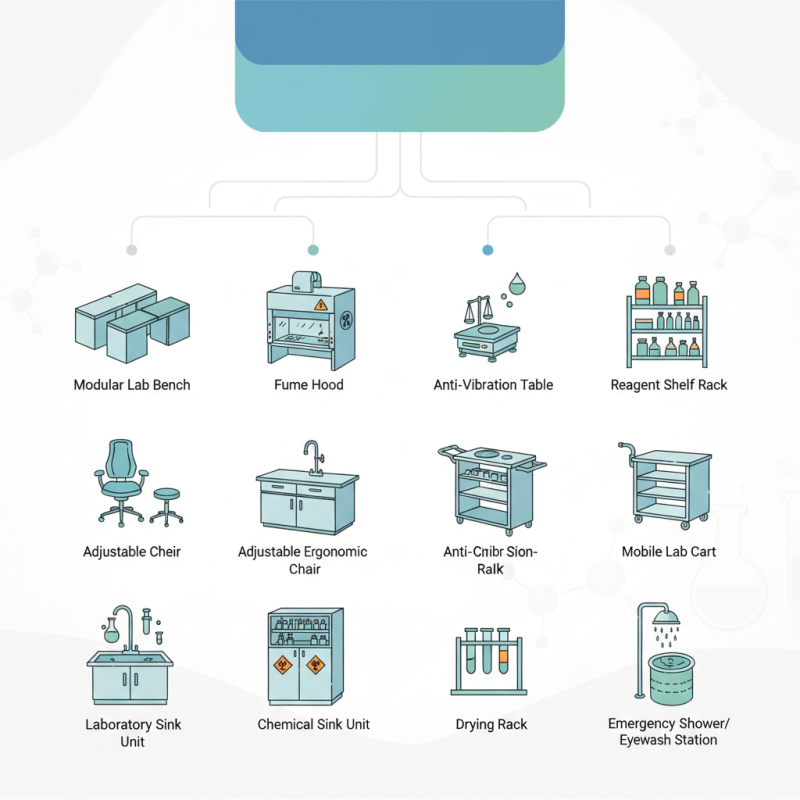
Top 10 Chemistry Lab Furniture Options for Global Buyers
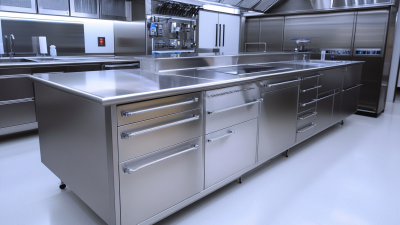
When selecting chemistry lab furniture, it's essential to consider safety, functionality, and durability. One crucial element is the workbench. A solid workbench provides ample space for experiments. It should be resistant to chemicals and easy to clean, ensuring a safe working environment. Adjustable height options can accommodate different users, promoting comfort during long hours.
Storage solutions are equally vital in any chemistry lab. Cabinets with lockable doors can securely store hazardous materials. They prevent unauthorized access while maximizing space. Mobile storage units can enhance efficiency, allowing quick access to essential tools. The choice of materials used in furniture can greatly impact longevity and ease of maintenance.
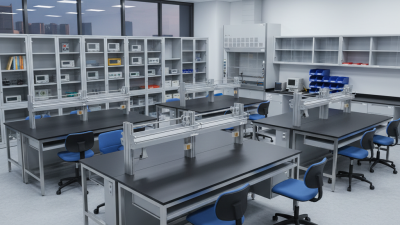
Another aspect to reflect on is the lab layout. An efficient layout fosters collaboration and movement. However, not all designs suit every lab's scale or purpose. A well-planned layout can lead to better workflow and productivity. Yet, it's crucial to adapt designs to specific needs, avoiding a one-size-fits-all approach.
Overview of Chemistry Lab Furniture and Its Importance
Chemistry lab furniture plays a crucial role in creating a safe and efficient working environment. Durable tables, storage cabinets, and fume hoods are essential for ensuring that hazardous materials are handled safely. According to industry reports, over 80% of lab accidents are related to improper workspace design. This highlights the significance of investing in high-quality furniture designed for chemical safety.
Proper furniture not only supports safety but also enhances productivity. Studies indicate that ergonomic designs can boost efficiency by up to 30%. Lab benches that accommodate varying heights can reduce physical strain on researchers. Moreover, modular storage solutions allow for a more organized workspace, which is vital in high-paced lab settings. Implementing these designs is not just a choice; it’s an industry necessity that reflects an organization’s commitment to safety and productivity.
Nonetheless, many labs continue to overlook the importance of quality furniture. Inadequate planning often leads to cluttered spaces. This can hinder workflow and compromise safety measures. Ensuring proper furniture selection requires ongoing assessment and a willingness to adapt to changing needs in chemical research.
Top 10 Chemistry Lab Furniture Options for Global Buyers
This chart depicts the popularity index of various laboratory furniture options in chemistry labs across the globe. The data illustrates the significance of each furniture type in facilitating effective laboratory operations.
Key Factors to Consider When Sourcing Lab Furniture
When choosing lab furniture, several key factors come into play. Understanding these factors ensures a safe and efficient workspace. One important consideration is material durability. Lab furniture must withstand chemical exposure and physical wear. High-pressure laminate and stainless steel are popular choices for this reason.
Tip: Always check the resistance of materials against specific chemicals used in your lab.
Another factor is ergonomics. Comfortable, adaptable furniture promotes productivity. Consider adjustable workstations that cater to various tasks and heights. This helps prevent strain and enhances workflow.
Tip: Involve your lab staff in the decision-making process. Their insights can guide you toward better design choices.
Lastly, compliance with lab safety standards is crucial. Ensure all furniture meets regulations for your location. Regularly reviewing these standards can prevent costly mistakes.
Tip: Keep updated with safety guidelines in your industry. It helps maintain a secure environment for all lab users.
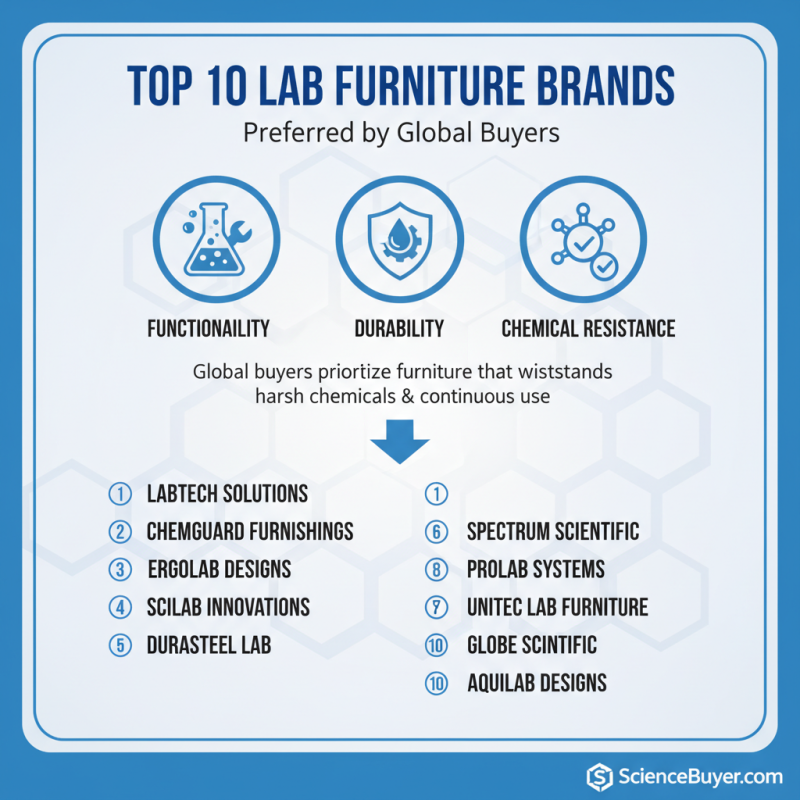
Top 10 Lab Furniture Brands Preferred by Global Buyers
When selecting lab furniture, global buyers look for more than just aesthetics. Functionality and durability are crucial. Furniture must withstand harsh chemicals and continuous use. Many brands prioritize these factors, which makes them popular choices.
Ergonomics is another key aspect. Buyers prefer furniture that supports comfort. Adjustable tables and ergonomic chairs enhance productivity. Additionally, modular designs allow for flexible configurations. This flexibility is important for various lab settings.
Quality is paramount. Buyers seek furniture that meets industry standards. Many options provide safety features, like chemical resistance. However, not all brands deliver on their promises. Some products may fall short, leading to a reconsideration of choices.
While many brands claim reliability, real-life performance can differ. User reviews often reveal concerns not mentioned by manufacturers. Therefore, researching before making a purchase is essential. This helps in identifying potential issues and aids in making informed decisions.
Comparative Analysis of Lab Furniture Materials and Durability
When selecting lab furniture, material choice significantly affects durability. Common materials include metal, wood, and laminates. Each option has unique strengths and weaknesses in laboratory environments.
Metal furniture offers robust durability and easy cleaning. However, it may be prone to rust without proper treatment.
Wood, while aesthetically pleasing, can be sensitive to chemicals and moisture.
Laminates provide a balance, offering resistance to both.
For global buyers, specific environments matter. Think about the types of experiments. Will the furniture face
harsh chemicals? Understanding your needs helps in
decision-making.
Tips: Always rely on certifications for quality assurance. Research materials that comply with safety standards. Evaluate how easy it is to maintain each type of furniture in the long run. A good choice today should remain functional for years.
Conclusion
Chemistry Lab Furniture plays a crucial role in the functionality and efficiency of modern laboratories. The article provides a comprehensive overview of the importance of selecting the right furniture for chemistry labs, highlighting key factors that global buyers should consider when sourcing these essential items. These factors include material durability, design trends, and the ergonomic needs of lab personnel.
The piece also introduces a curated list of the top ten options for chemistry lab furniture that are favored by global buyers. By conducting a comparative analysis of materials and their longevity, the article helps laboratories determine the best investments for their needs. Additionally, it discusses emerging design trends that cater to the evolving demands of modern laboratories, ensuring that they remain efficient and conducive to scientific discovery. Overall, choosing the right chemistry lab furniture is paramount for enhancing the productivity and safety of laboratory environments.