Why a Science Laboratory Bench is Essential for Modern Research Environments
In the contemporary landscape of scientific research, the importance of a functional and adaptable Science Laboratory Bench cannot be overstated. As laboratories increasingly demand versatility to accommodate cutting-edge experiments, the design and functionality of these benches have evolved significantly. According to a report by the Global Laboratory Furniture Market, the growth of laboratory infrastructure is projected to exceed $7 billion by 2025, highlighting the growing need for well-equipped and efficient research spaces that prioritize collaboration and innovation.
Experts in the field emphasize that the configuration and quality of laboratory benches play a pivotal role in enhancing productivity and safety during experiments. Dr. Emily Stanton, a renowned research facility designer, states, "A well-designed Science Laboratory Bench is not just a workspace; it is a cornerstone of successful scientific inquiry, enabling researchers to maximize their time and resources effectively." This perspective underlines the integral role that laboratory benches have in fostering a conducive environment for scientific discovery.
As research activities become more complex, the demand for multifunctional and ergonomic Science Laboratory Benches will continue to rise, ensuring that scientists can navigate the challenges of modern research efficiently. Embracing innovative designs and layouts will not only support individual projects but also promote a culture of collaboration, ultimately driving advancements across various scientific fields.
The Importance of Science Laboratory Benches in Research Facilities
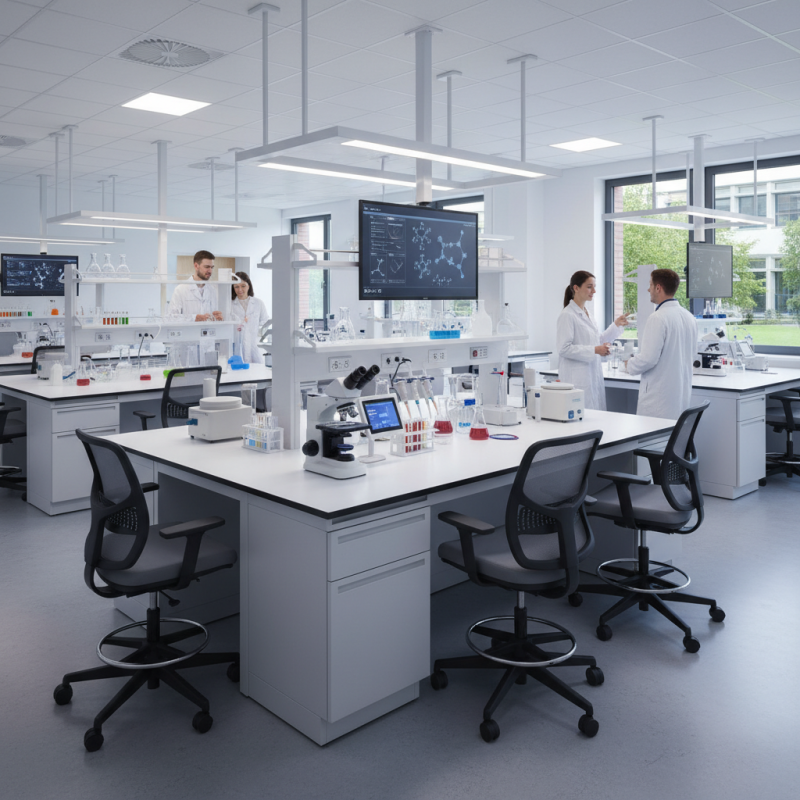
In modern research facilities, science laboratory benches serve as the backbone of effective experimentation and data collection. These specialized workstations are designed to accommodate various scientific tools and equipment, making them essential for researchers to conduct experiments with precision. The importance of well-structured laboratory benches cannot be overstated, as they facilitate organization, safety, and efficiency, ultimately contributing to the advancement of scientific knowledge.
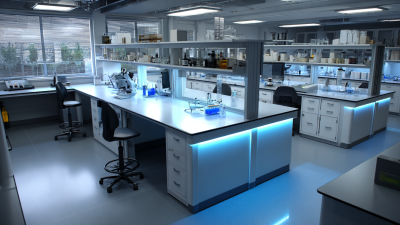
One crucial aspect to consider when designing or choosing a laboratory bench is the layout. An effectively organized bench provides ample space for essential instruments while minimizing clutter. Researchers should allocate specific areas for instruments, samples, and documentation to streamline workflow. **Tips:** Keep frequently used items within arm's reach to enhance productivity, and utilize vertical space for storage to maintain a clean working environment.
Additionally, the materials and design of laboratory benches can significantly impact the overall research process. A durable, easy-to-clean surface is vital, as it allows for the safe handling of various chemicals and biological samples. **Tips:** Opt for benches with built-in safety features such as edge guards and spacious sinks to promote safe handling practices. Regular maintenance checks can also ensure that the workstations remain conducive to high-quality research.
Key Features of Modern Science Laboratory Benches
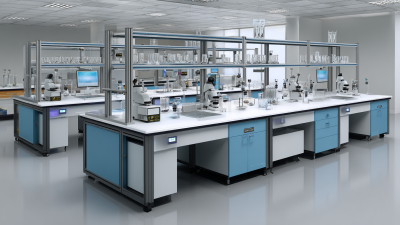
Modern science laboratory benches are designed with a multitude of key features that enhance functionality and safety in research environments. One of the primary characteristics is their adaptability; these benches often include modular components that allow for customizable layouts to accommodate various types of experiments. This flexibility is crucial for laboratories that engage in diverse research activities, as it ensures that the workspace can evolve along with the changing needs of the research.
Another important feature is the integration of materials that promote cleanliness and safety. Many laboratory benches are constructed from chemical-resistant surfaces that can withstand spills and facilitate easy cleaning, which is essential for maintaining a sterile environment. In addition, some designs incorporate built-in safety equipment, such as eye wash stations and fume hoods, directly into the lab bench setup, ensuring that safety measures are always within reach. Ergonomic designs also play a critical role, allowing researchers to work comfortably for extended periods, thereby enhancing productivity and reducing the risk of strain-related injuries. These features collectively make modern laboratory benches indispensable in fostering an efficient and secure research atmosphere.
Ergonomic Design: Enhancing Researcher Comfort and Efficiency
The ergonomic design of science laboratory benches plays a crucial role in enhancing researcher comfort and efficiency. In modern research environments, where precision and productivity are paramount, the physical setup often directly influences the quality of work. Ergonomic benches are tailored to reduce strain on the body, providing adjustable heights and configurations that accommodate various tasks and individual work styles. This flexibility not only fosters a more comfortable working position but also minimizes the risk of musculoskeletal disorders, which are common in research settings where prolonged periods of standing or repetitive motions are prevalent.
Moreover, an ergonomically designed lab bench promotes better workflow and organization. By incorporating features such as integrated storage solutions and designated work areas, researchers can keep their tools and materials within easy reach, reducing time spent searching for items and allowing for a more streamlined process. This design philosophy encourages efficiency, as a clutter-free and well-arranged workspace enables scientists to focus on their experiments rather than the logistics of their environment. As laboratory tasks continue to evolve, investing in ergonomic solutions will be essential for maximizing both comfort and productivity in the scientific community.
Material Selection: Ensuring Durability and Cleanliness in Labs
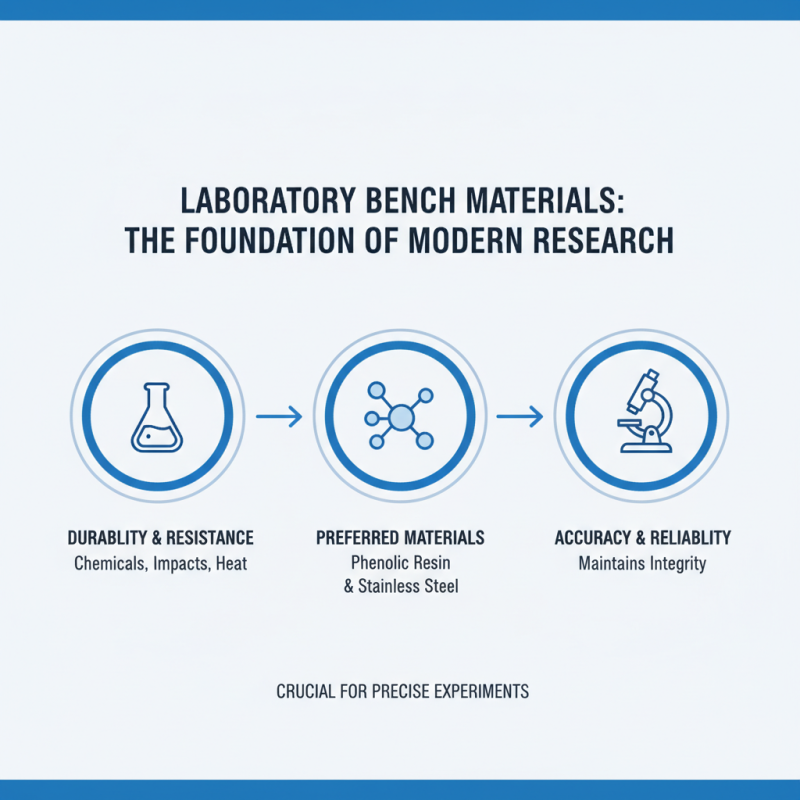
The selection of materials for science laboratory benches is crucial in creating an environment that meets the demands of modern research. Durability is a primary consideration; laboratory benches must withstand various stressors, including chemical spills, physical impacts, and high temperatures. Materials such as phenolic resin and stainless steel are often preferred for their robust properties and resistance to corrosion, ensuring that the benches can maintain their structural integrity over time. In an environment where precise measurements and reactions can be easily disrupted, the resilience of the materials used in lab benches can significantly impact the accuracy and reliability of experimental results.
Cleanliness in laboratories is another critical aspect that material selection addresses. Researchers require surfaces that are easy to clean and resistant to bacterial growth, as hygiene is paramount in preventing contamination. Non-porous materials that do not allow substances to seep in are ideal, as they can be disinfected thoroughly without degrading. Furthermore, benches with a smooth finish facilitate swift clean-up of spills, reducing downtime and ensuring a sterile working environment. By carefully choosing materials that promote both durability and cleanliness, modern laboratories can enhance their operational efficiency and maintain the high standards expected in scientific research.
Future Trends in Laboratory Bench Design and Innovation
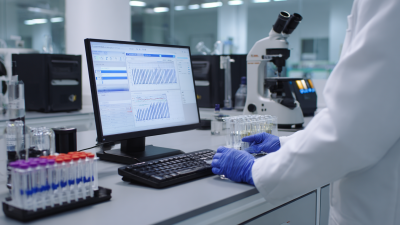
The design and innovation of laboratory benches are undergoing significant transformations to meet the evolving demands of modern research environments. One key trend is the integration of smart technologies into bench design. These innovations enable real-time data collection and monitoring, allowing researchers to track experiments more effectively. Built-in IoT devices can provide alerts for equipment maintenance, environment changes, and even safety hazards, thereby enhancing productivity and safety within the lab.
Moreover, sustainability is becoming an increasingly crucial focus in laboratory bench design. With the push for greener practices, many new benches are being constructed from eco-friendly materials that reduce environmental impact. This trend not only addresses global sustainability goals but also seeks to create a healthier workspace for researchers. Flexible and modular designs allow for easy reconfiguration of lab spaces, accommodating different research needs and promoting a collaborative atmosphere. As materials and technologies continue to evolve, the future of laboratory benches will not only support current research demands but also pave the way for innovative methodologies in various scientific fields.