How to Optimize Your Pharmaceutical Laboratory Bench Setup?
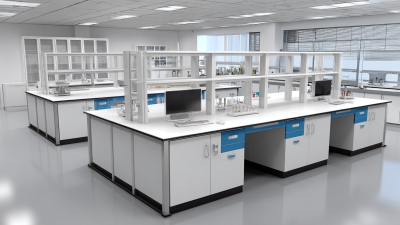
In today's fast-paced pharmaceutical industry, optimizing your Pharmaceutical Laboratory Bench is crucial. Dr. Emily Tran, a leading expert in laboratory efficiency, states, "The layout of your bench can make or break your workflow." Her insights highlight the importance of thoughtful organization.
A well-structured Pharmaceutical Laboratory Bench can enhance productivity and reduce errors. This includes proper placement of equipment and supplies for easy access. Yet, many laboratories struggle with cluttered workspaces. Are the vital tools within reach? Are your processes efficient? These questions prompt reflection on your current setup.
Creating an optimal bench requires continuous improvement. Rooms often evolve, changing the dynamics of work. Regular evaluations are necessary despite the effort. Each modification should aim to support tasks better. An ideal Pharmaceutical Laboratory Bench is more than just a fixed setup; it is a living environment.
Importance of Laboratory Ergonomics in Pharmaceutical Research Efficiency
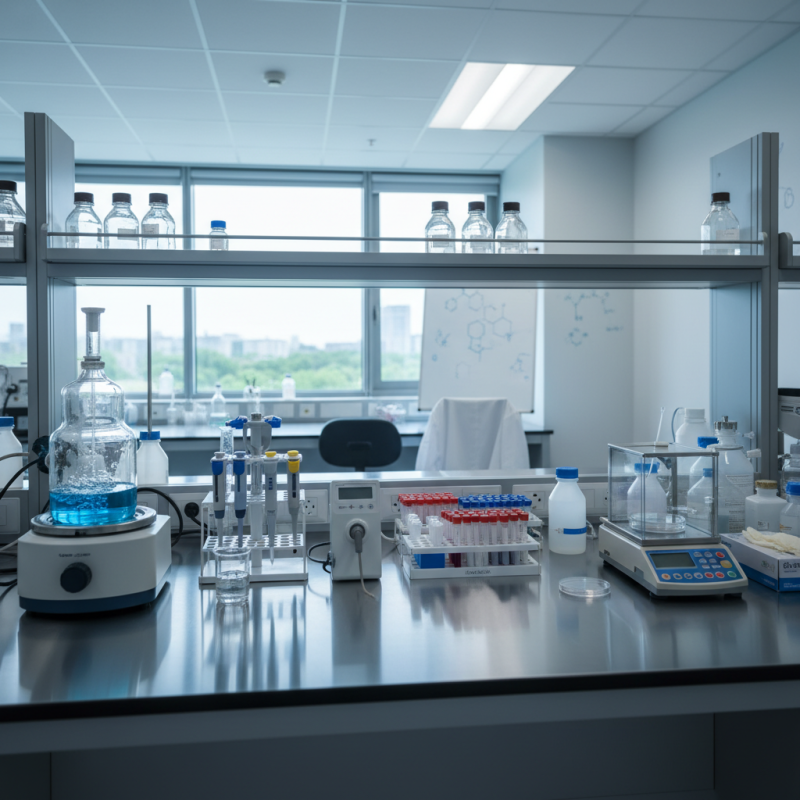
Laboratory ergonomics is crucial in the pharmaceutical industry. It directly impacts researchers' efficiency and accuracy. According to a report by the National Institute for Occupational Safety and Health, poor ergonomic design can lead to a decrease in productivity of up to 30%. This highlights the importance of a well-optimized bench setup.
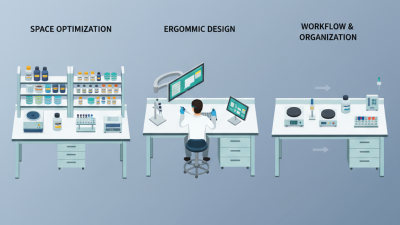
Creating a comfortable workspace can reduce fatigue and improve focus. Ensure that equipment is within reach. Tall shelves may require awkward stretching, which can lead to muscle strain. Make use of height-adjustable tables. They allow for both sitting and standing positions, minimizing discomfort.
Tips: Incorporate anti-fatigue mats where researchers stand for long periods. Small adjustments can lead to significant gains in productivity. Regular breaks are essential. Encourage staff to step away from the bench. This refreshes their focus and helps prevent repetitive strain injuries.
Improperly arranged tools can slow the research process. Place frequently used items within easy access. Keeping a clutter-free workspace is vital. A disorganized bench can lead to mistakes. Researchers may overlook critical steps in their procedures. So, take a moment to assess and optimize your laboratory environment.
Key Laboratory Equipment for Optimal Pharmaceutical Experimentation
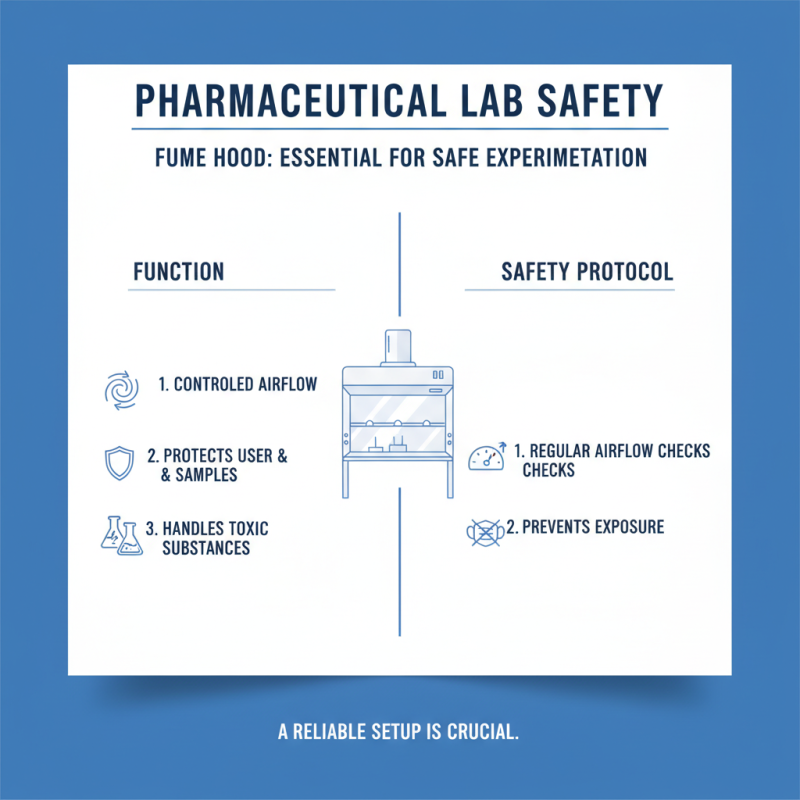
In a pharmaceutical laboratory, the setup is essential for successful experimentation. Key equipment plays a significant role in this environment. A reliable fume hood is vital for safe handling of chemicals. It provides a controlled airflow, protecting both the user and the samples. Flammable or toxic substances require a functional hood. It’s important to regularly check the airflow to ensure safety.
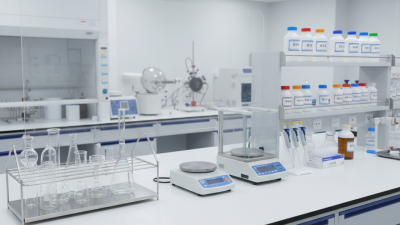
A high-precision analytical balance is another cornerstone of a lab setup. Accurate measurement is crucial in pharmaceutical research. Balances should be calibrated often, as even slight deviations can impact results. Consider the placement of the balance; vibrations from nearby equipment can lead to inaccuracies.
Moreover, storage solutions can enhance organization. Properly labeled containers for reagents and samples save time. However, if clutter becomes an issue, it may hinder efficiency. Regular audits of your storage can help maintain order. Remember to evaluate your setup and equipment regularly. A thoughtful approach can lead to better results and improved workflows.
Best Practices for Organizing Laboratory Supplies and Materials
A well-organized laboratory bench is crucial for efficiency. Start by categorizing supplies and materials. Use clear labels for each section. Group similar items together, like reagents, glassware, and equipment. This way, finding what you need becomes quicker. Make sure every item has a dedicated space.
Consider the layout of your bench. Place frequently used items within easy reach. Reserve the back of the bench for rarely used materials. Ensure that hazardous substances are stored safely, away from everyday supplies. This reduces the risk of accidents. Regularly assess the organization. Sometimes, items get shuffled around, causing chaos. If something goes unused, consider whether you really need it.
Encourage feedback from lab members about the setup. They may have insights on improving efficiency. Sometimes wasteful practices go unnoticed until pointed out. A cluttered bench can hinder productivity. Take the time to reflect on the setup. Aim for an environment that promotes focus and safety. Small adjustments can lead to significant improvements in workflow.
How to Optimize Your Pharmaceutical Laboratory Bench Setup? - Best Practices for Organizing Laboratory Supplies and Materials
| Organizational Item |
Description |
Best Practices |
| Reagents |
Chemicals used in experiments |
Label clearly and store in alphabetical order |
| Glassware |
Flasks, beakers, and test tubes |
Organize by type and ensure cleanliness |
| Personal Protective Equipment (PPE) |
Gloves, goggles, lab coats |
Keep accessible and regularly check for damage |
| Instruments |
Microscopes, pipettes, and centrifuges |
Calibrate regularly and store in designated locations |
| Waste Disposal |
Hazardous and non-hazardous waste |
Use color-coded bins and train staff on disposal protocols |
Integrating Technology for Enhanced Data Management in Labs
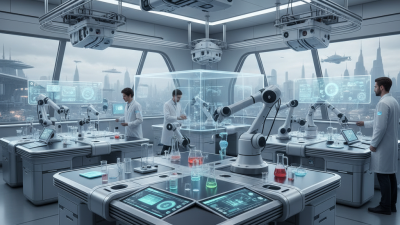
In today's pharmaceutical labs, effective data management is crucial. A recent study indicated that poor data handling can lead to costly delays. Laboratories employing integrated technology report a 30% increase in efficiency. By automating data collection, researchers can minimize human errors.
Utilizing cloud-based systems allows for real-time data access. Such platforms can store and analyze massive data sets seamlessly. However, not all labs have fully embraced this change. Some still rely on outdated methods. This lag creates inconsistencies and hinders progress.
Additionally, integrating technology can enhance collaboration. Teams can share insights instantly, breaking down silos. Yet, not everyone is tech-savvy. Continuous training is essential. Labs should create a culture of learning. Adopting new tools comes with challenges, but the benefits outweigh the hurdles.
Effect of Bench Layout on Workflow and Productivity in Pharmaceutical Labs
The layout of a pharmaceutical laboratory bench significantly impacts workflow. A well-organized bench enhances efficiency and minimizes time wastage. According to a report by the International Journal of Pharmaceutical Sciences, effective bench setups can improve laboratory productivity by up to 25%. This increase is crucial in a field where time and accuracy are paramount.
When designing a bench layout, consider the equipment's proximity. Keeping frequently used tools within arm's reach promotes smoother operations. For example, a study by Lab Manager found that improper bench heights led to a 15% increase in user fatigue. Observations show that thoughtful bench arrangements reduce unnecessary movements. Yet, despite these insights, many labs still prioritize aesthetics over functionality. This oversight can hinder the overall workflow.
Incorporating modular systems can address some layout challenges. These systems allow for flexibility and adaptability as projects evolve. However, not all modules will fit every procedure. Regular evaluation and adjustment of the setup are necessary. Continuous improvement is the key to maximizing productivity in a lab environment. Ultimately, a balance between practicality and innovation must be achieved for optimal results.