What is a Laboratory Table and Why You Need One?
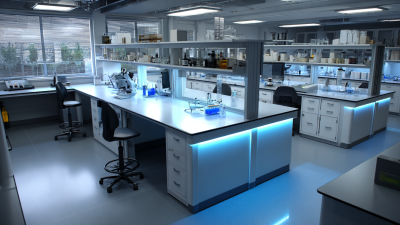
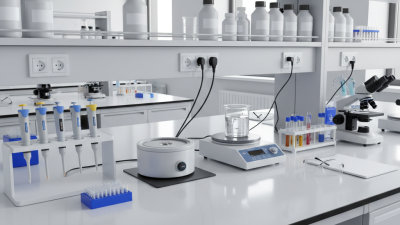
A Laboratory Table is an essential piece of equipment in scientific settings. It serves not only as a workspace but also as a foundation for various experiments and procedures. The right laboratory table can enhance productivity and ensure safety. Different materials, such as stainless steel, provide durability and resistance to chemicals.
Investing in a quality Laboratory Table is crucial for the reliability of research. It offers stability when conducting experiments, which can lead to more accurate results. However, it is essential to choose the correct type. Consider the size, height, and features to match your specific needs. Users often overlook these factors, leading to discomfort during long hours of work.
Moreover, the organizational aspects of a laboratory table can affect efficiency. A cluttered workspace can cause distractions and errors in experiments. Streamlined designs with storage options can improve focus and output. Thus, while choosing a Laboratory Table may seem straightforward, reflecting on these details can significantly impact your work environment.

What Defines a Laboratory Table? Understanding its Structure and Features
A laboratory table is more than just a work surface; it plays a crucial role in research settings. Understanding what defines a laboratory table helps highlight its importance. Typically, these tables are designed with sturdy materials to withstand laboratory conditions, including spills and chemical exposure. They often feature adjustable heights, allowing users to customize their workspace for comfort and efficiency. According to a report by Lab Manager, nearly 80% of researchers prioritize ergonomic setups, underscoring the need for adaptable furniture.
Many laboratory tables also include built-in storage options. Cabinets and drawers help keep essential tools within reach. This organization can save valuable time during experiments. In fact, a study by the American Institute of Physics found that efficient workspace setups can increase productivity by up to 30%. Keeping a clutter-free environment is not just about aesthetics; it directly impacts research efficiency.
Tips: Always assess your lab’s specific needs before selecting a table. Evaluate the materials used for durability and safety. Consider your workflow when designing your workspace, as it can significantly influence your research outcomes. Remember, even small changes can lead to improvements in lab efficiency and safety practices.
What is a Laboratory Table and Why You Need One?
| Feature |
Description |
Importance |
| Material |
Typically made of metal, wood, or plastic |
Durability and resistance to chemicals |
| Size |
Varies based on lab requirements |
Accommodates different equipment and processes |
| Height |
Standard height ranges from 28 to 36 inches |
Promotes ergonomic use for lab professionals |
| Drawers and Shelves |
Integrated storage solutions for organization |
Enhances workflow efficiency |
| Mobility |
Can be stationary or equipped with wheels |
Allows flexibility in lab layout and design |
| Work Surface |
Resistant to spills, scratches, and high temperatures |
Ensures longevity and safety during experiments |
Key Materials Used in Laboratory Tables and Their Benefits for Research
Laboratory tables are essential in research environments. They provide a sturdy and reliable workspace tailored for experiments. The materials used in these tables significantly influence their effectiveness and safety.
Common materials for laboratory tables include stainless steel, epoxy resin, and laminate. Stainless steel is strong and resistant to corrosion. According to a report by the American Laboratory Education Association, stainless steel surfaces can withstand high temperatures and harsh chemicals, making them ideal for various research settings. Epoxy resin surfaces, on the other hand, offer excellent chemical resistance. They are popular in labs dealing with hazardous substances.
When selecting a lab table, consider the specific needs of your research. Look for tables that can withstand spills and provide easy cleaning. Tip: Always assess the weight capacity based on the equipment you’ll use. A sturdy table can prevent accidents and ensure better workflow. Have you thought about future needs? Flexibility can be important in a dynamic research environment.
Industry Standards and Regulations Governing Laboratory Table Design
Laboratory tables are essential for any research facility. They must adhere to strict industry standards and regulations. These guidelines ensure safety, functionality, and durability in lab settings. For instance, the materials used in the construction of these tables are often regulated. High-pressure laminate surfaces are common, as they resist chemicals and spills effectively.
Design specifications can vary by industry. Some labs may require adjustable-height tables to accommodate different users. In contrast, others need rigid, static tables for stability. Whatever the case, the design must meet specific criteria, ensuring adequate support for equipment and preventing any potential hazards.
Insufficient attention to these regulations can lead to accidents or incompatibility with laboratory needs. Researchers might overlook the importance of stability or surface materials. This oversight could result in dangerous situations during experiments. A detailed understanding of these standards is crucial. Lab managers should continually assess their tables against current regulations to maintain a safe working environment.
The Role of Laboratory Tables in Enhancing Laboratory Efficiency and Safety
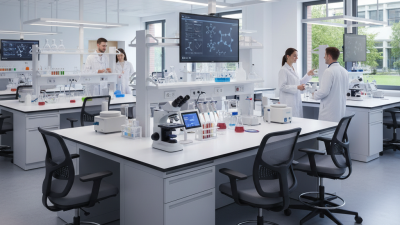
Laboratory tables play a crucial role in both efficiency and safety within a lab environment. These tables provide a dedicated workspace for experiments, making them essential for scientists and researchers. A well-designed laboratory table allows for organized placement of equipment, thereby reducing clutter. When tools are easily accessible, it promotes productivity and minimizes the chance of accidents.
Tips: Always ensure the table is level. An uneven surface can lead to spills and mishaps. Keep frequently used items within arm’s reach. This simple practice can save you valuable time during experiments.
Safety is paramount in laboratory settings. A sturdy table can withstand chemical spills, heat, and physical pressure. Using tables with built-in storage helps separate hazardous materials. This separation reduces the risks associated with chemical exposure. However, some tables might not have adequate protective features, so regular inspections are necessary.
Tips: Consider utilizing mats or barriers. These can provide extra protection for both the table and your work. Always keep a clear layout to avoid confusion and potential accidents. Efficient labeling of storage can improve safety and help others understand your setup.
Impact of Laboratory Tables on Efficiency and Safety
Cost Analysis: Investment in Laboratory Tables vs. Long-term Benefits
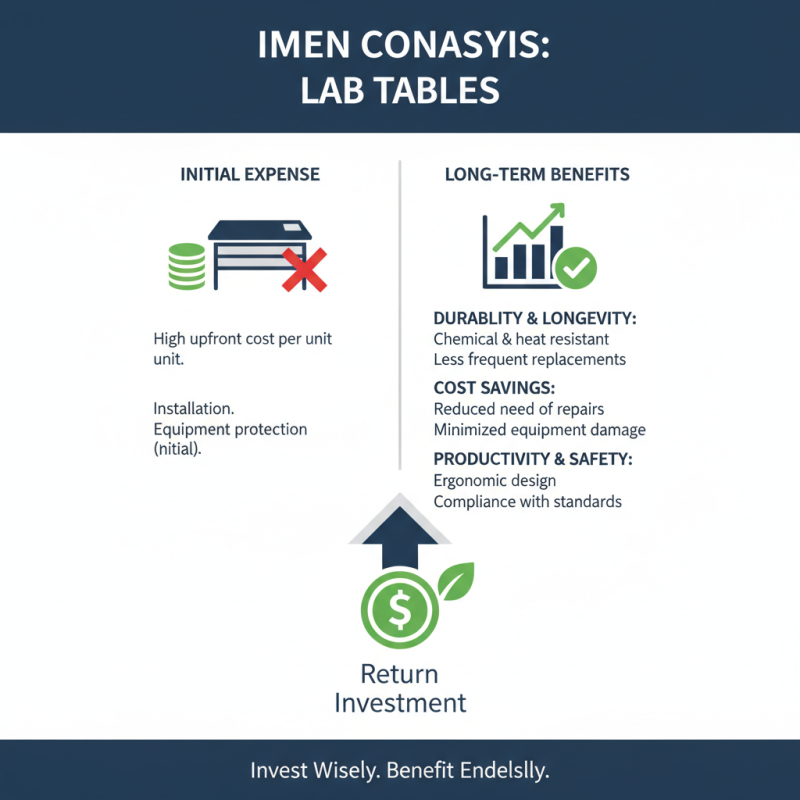
Investing in a laboratory table may seem like an expense at first glance. However, the long-term benefits far outweigh the initial cost. Laboratory tables are designed for functionality and durability. They provide a stable surface for various tasks, protecting both your work and equipment. High-quality tables can withstand chemicals and heavy usage. This longevity reduces the frequency of replacements, leading to cost savings over time.
The operational efficiency of a lab improves with proper equipment. A well-designed laboratory table allows for better organization of tools and materials. This can decrease the time spent on experiments. Inaccurate measurements and unsafe conditions often stem from lack of proper workspace. Investing in a laboratory table mitigates these risks, ensuring a safer environment for all users.
However, budgets can be tight. It may take time to see the return on investment. Some might wonder if the cost is truly justified. Yet, consider the potential losses from accidents or errors that a sturdy table can prevent. A decision rooted in analysis and foresight can yield significant benefits. Investing today encourages a productive and safe laboratory tomorrow.