Why is a Laboratory Hood Essential for Safe Research?
Laboratory Hood plays a crucial role in ensuring safe research environments. They are essential for protecting scientists from harmful fumes and chemical reactions. According to the American National Standards Institute, nearly 30% of laboratory accidents involve inhalation of hazardous substances.
Laboratory Hoods provide a controlled space for handling toxic materials. They minimize exposure and reduce the risk of contamination. Reports indicate that labs with proper ventilation measures, including hoods, see significantly fewer incidents of respiratory issues among staff. Yet, not all laboratories utilize these systems effectively.
Some facilities underestimate the importance of regular maintenance. Without proper checks, hoods can fail to operate correctly. This negligence can lead to serious health risks. Each lab must commit to ensuring that their hoods are in optimal condition. In reflecting on past accidents, it's evident that the role of the Laboratory Hood cannot be overstated.
Understanding the Functionality of a Laboratory Hood in Research
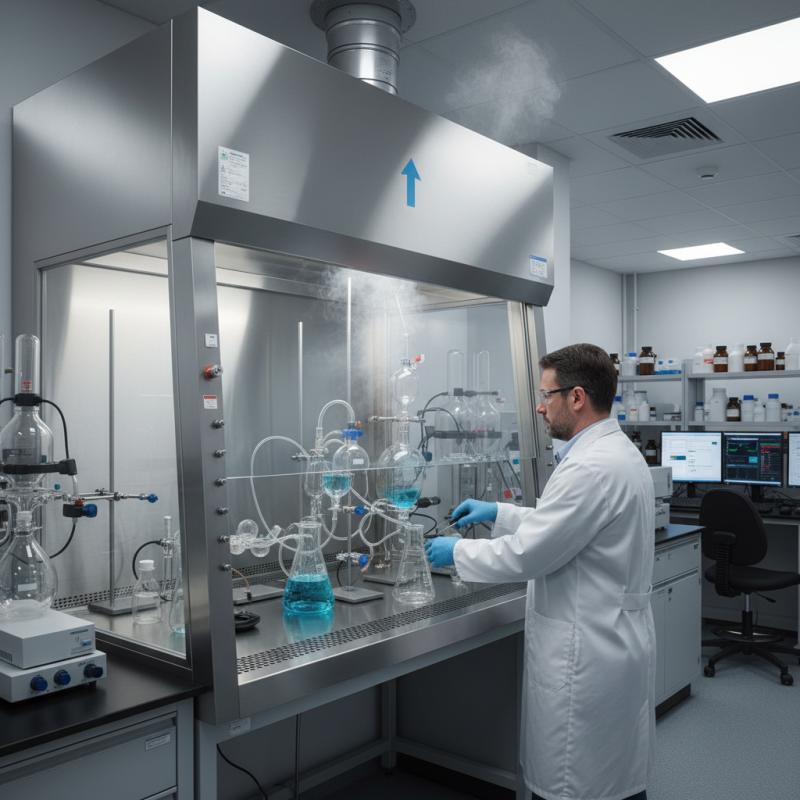
Laboratory hoods play a crucial role in creating a safe research environment. These structures protect researchers from harmful fumes and vapors. They draw air into the hood, effectively reducing exposure to toxic substances. This process is vital when working with hazardous materials. Without proper ventilation, harmful particles could linger in the air.
The functionality of a laboratory hood goes beyond basic protection. It helps in maintaining a clean workspace. Researchers can focus on their work without distraction. However, not all laboratory hoods are created equal. Some may not provide adequate airflow, leading to safety concerns. Regular maintenance and assessments are essential for optimal performance. Researchers must stay vigilant.
As important as hoods are, they should not be seen as a complete solution. Lab safety also involves wearing appropriate personal protective equipment. Training plays a significant role in safe research practices. Researchers should regularly review safety protocols. Awareness is key in avoiding accidents and ensuring a protective environment. Everyone shares the responsibility for safety in the lab.
Why is a Laboratory Hood Essential for Safe Research?
| Feature |
Description |
Importance |
| Ventilation |
Removes hazardous fumes and vapors from the lab environment. |
Prevents exposure to harmful substances, ensuring researcher safety. |
| Containment |
Hood design keeps chemicals and biological agents isolated. |
Protects both personnel and the environment from spills and leaks. |
| Airflow Monitoring |
Detects changes in airflow to ensure safe operation. |
Alerts users to potential hazards, enhancing safety protocols. |
| Safety Features |
Includes sash windows and alarm systems for safety. |
Mitigates risks of accidents in laboratory settings. |
| Ergonomics |
Designed for comfortable and efficient user interaction. |
Enhances user productivity and reduces strain during experiments. |
Key Safety Hazards Addressed by Laboratory Hoods
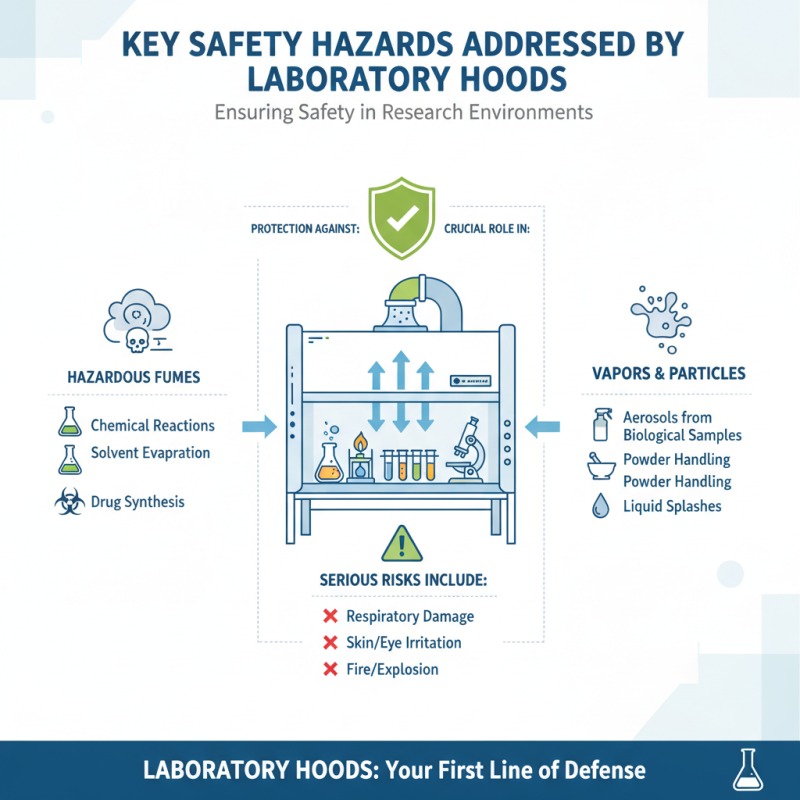
Laboratory hoods play a crucial role in ensuring safety in research environments. They protect against hazardous fumes, vapors, and particles. When using chemicals or biological samples, presence of harmful substances can pose serious risks. Hoods effectively contain these dangers, preventing exposure to lab personnel.
One key hazard addressed by laboratory hoods is chemical exposure. Without them, researchers risk inhaling toxic vapors. This can lead to serious health issues. A well-maintained hood can significantly minimize the risk of inhalation. It's important to ensure proper airflow and effective filters. Regular checks are essential.
Another issue is the risk of spills and splashes. Laboratory hoods can contain spills and prevent contamination of surroundings. Always make sure that the hood is at a proper height. This allows for effective containment. Consider using secondary containment devices, such as trays, for extra protection. Always remember, safety should never be an afterthought.
Components and Design Features of Laboratory Hoods
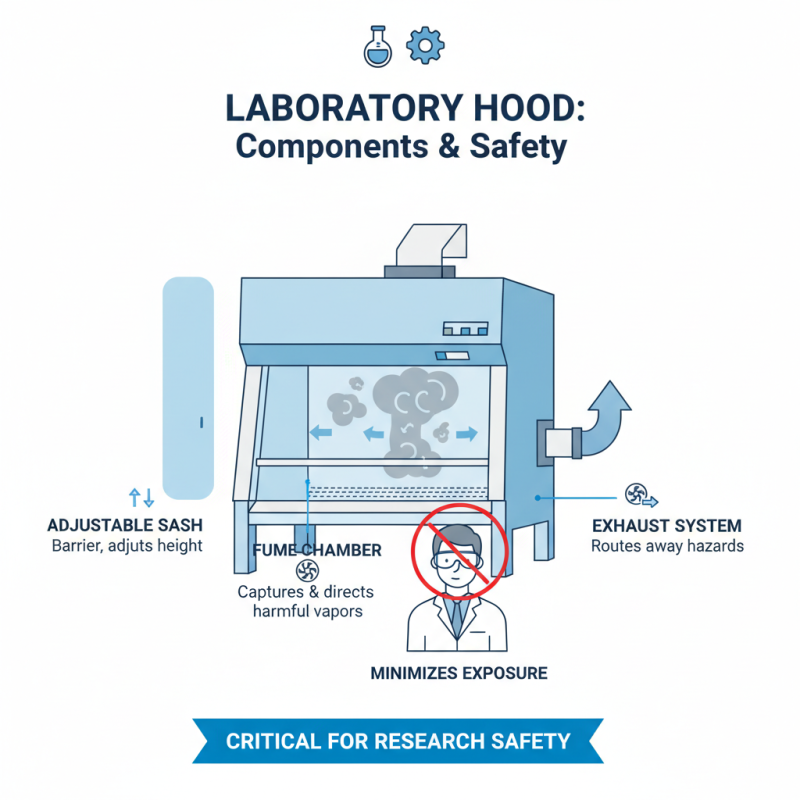
Laboratory hoods play a critical role in ensuring safety during research. Their design incorporates various components that work together to protect users. The sash, for instance, acts as a barrier. It can be adjusted to different heights, allowing for more flexibility. The fume chamber captures harmful vapors, directing them away from researchers. This setup minimizes exposure to hazardous materials.
The airflow system is another key feature of laboratory hoods. It maintains a constant flow of air, creating negative pressure. This helps in containing spills and preventing dangerous fumes from escaping. However, there are aspects that require ongoing evaluation. Maintenance schedules may be overlooked. Filters can become clogged, reducing efficiency. It's essential to be attentive to these issues.
Another component is the work surface. It needs to be durable and easy to clean. Still, some surfaces might not withstand all chemicals. This can lead to potential risks if not monitored closely. Users should always be vigilant about their hoods’ condition. Regular checks can ensure a safer research environment. Understanding these elements contributes to better safety practices.
Regulatory Standards and Guidelines for Laboratory Hood Usage
Laboratory hoods play a critical role in ensuring safety during research. They are designed to protect researchers from harmful fumes, vapors, and particulates. Proper usage of hoods is guided by regulatory standards that emphasize their importance. Compliance with these guidelines is necessary for maintaining a safe work environment.
Regulatory bodies have set specific requirements for laboratory hood installation and maintenance. These include regular inspections and performance tests. Such practices ensure that hoods function properly and effectively. The airflow design must also be evaluated regularly. Inadequate airflow can lead to exposure to hazardous substances.
However, many labs struggle with adherence to these regulations. Some may overlook inspections due to time constraints. Others may use hoods incorrectly, compromising their effectiveness. Training on proper hood usage is often insufficient. Researchers need to be vigilant and proactive. It's vital to foster a culture of safety and accountability. Regular discussions about safety standards can help keep everyone informed and engaged.
Laboratory Hood Usage Compliance by Research Field
Best Practices for Operating Laboratory Hoods Safely
Laboratory hoods play a vital role in ensuring safety during research. These essential tools protect users from harmful fumes, vapors, and particulate matter. According to a report from the American National Standards Institute, effective laboratory hoods can reduce exposure to airborne contaminants by up to 90%. This emphasizes their significance in maintaining a safe research environment.
To operate laboratory hoods safely, always ensure they are properly maintained. Regular inspections and airflow tests are critical. A hood should maintain a face velocity of between 80 to 120 feet per minute. Any deviation could compromise safety. Additionally, never store materials inside the hood. This practice creates unnecessary hazards. Also, avoid working too close to the sash; it can disrupt airflow.
Training is equally important. Personnel should receive comprehensive training on proper hood use. Rarely, users may ignore safety protocols. They might forget to pull the sash down after use. Such oversights can lead to increased risk. Implementing a checklist before each work session could help mitigate these issues. Creating a culture of safety requires ongoing vigilance and commitment.