Top 5 Lab Sink Tips You Need to Know for Better Efficiency?
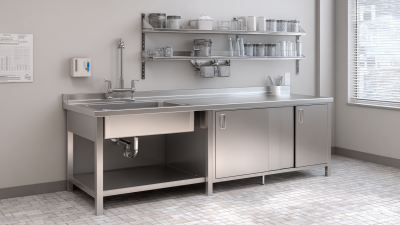
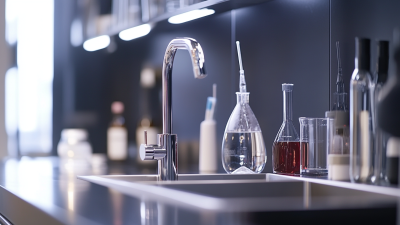
In the modern laboratory, efficiency is key. A well-designed Lab Sink can significantly improve workflow. Dr. Emily Carter, a renowned laboratory design expert, once said, “The Lab Sink is often underestimated, yet it plays a crucial role in daily operations.” This statement highlights how essential it is to optimize this often-overlooked feature.
Many labs face challenges related to sink usage. Common issues include inadequate space and poor drainage. These problems can lead to disruptions in research and experiments. It’s important to reflect on how a Lab Sink is integrated into the overall lab design. Small changes can make a big difference. For instance, ensuring easy access to tools and materials can enhance efficiency.
Understanding the best practices for Lab Sink usage can streamline workflow. Consider how sinks are positioned in relation to workstations. Proper placement can reduce clutter and save time. Additionally, think about maintenance. A clean sink is vital for a safe working environment. Ultimately, improving Lab Sink efficiency requires both careful planning and ongoing reflection on existing practices.
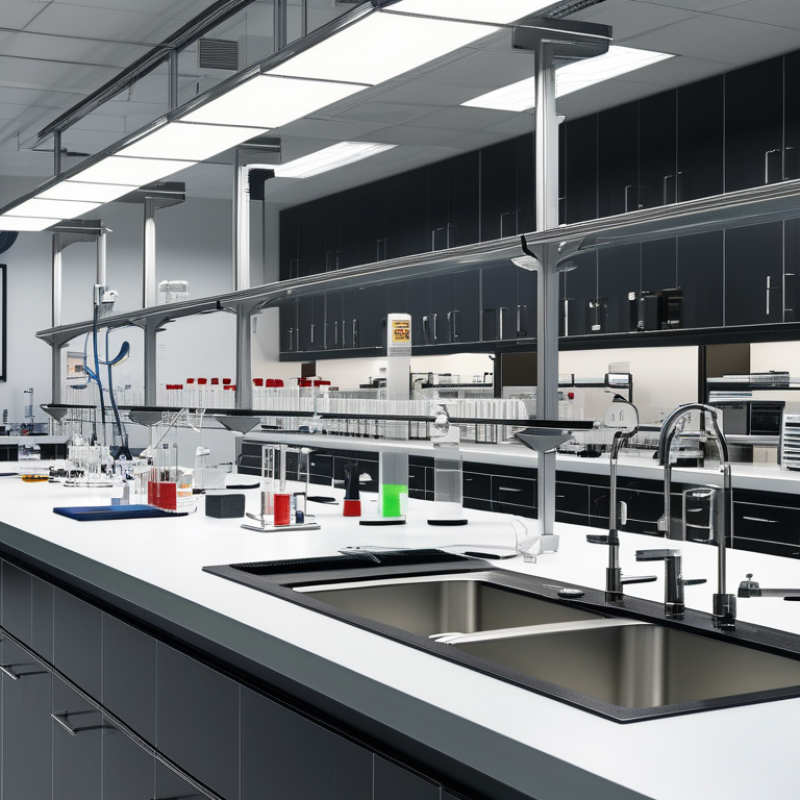
Enhancing Lab Sink Efficiency: The Importance of Proper Drainage Systems
Proper drainage systems are critical in laboratory settings. A well-designed sink should allow for rapid water flow and efficient waste disposal. This helps prevent potential blockages that could disrupt lab work. When drains are clogged, time is wasted, and experiments can be compromised. Regular maintenance is essential. Neglecting this can lead to larger problems down the line.
Incorporating the right materials in sink design is also important. Some lab sinks are prone to corrosion or staining. Selecting durable, chemical-resistant materials can enhance longevity and performance. However, oversights in installation can hinder functionality. Gaps or improper angles can trap waste. Addressing these issues requires expertise.
It's crucial to understand that not all drainage systems are created equal. Some laboratories may face unique challenges depending on the type of research conducted. Inadequate drainage might not seem urgent initially, but it can lead to hazardous working conditions. Continuous assessment of sink efficiency promotes a safer, more effective lab environment.
Top 5 Lab Sink Tips for Better Efficiency
Utilizing Corrosion-Resistant Materials for Longevity in Lab Sinks
When selecting materials for lab sinks, the choice of corrosion-resistant materials is crucial.
Stainless steel and high-quality polymers are popular options.
These materials resist rust and stains, extending the sink's lifespan. Investing in these options can save money over time.
Tip: Regularly inspect your sinks for wear. Small scratches or dents can lead to larger issues.
Addressing these problems early prevents costly repairs later. Keep your cleaning routines consistent to avoid chemical buildup.
Another important aspect is proper installation. Ensure that all fittings and fixtures are correctly sealed.
This reduces the risk of leaks, which can damage the sink and surrounding areas.
Tip: Test the drainage system frequently. Clogs can develop in even the best sinks.
A little maintenance goes a long way in preserving efficiency.
Choosing the right materials and maintaining them properly ensures lab sinks remain functional.
Good choices protect your investment and contribute to safety in the lab environment.
Implementing Regular Maintenance Routines to Prevent Clogs and Backflow
Regular maintenance routines are crucial for lab sinks to function properly. Neglecting these practices can lead to clogs and backflow issues that disrupt workflow. A blocked sink can halt experiments and create a backlog of work. Simple tasks like checking for debris buildup can save time and money.
Implementing a schedule for routine cleaning is essential. Use a mixture of baking soda and vinegar to keep pipes clear. Regular flushing with hot water helps prevent grease accumulation. Inspecting seals and gaskets can reveal hidden maintenance needs, such as leaks that waste resources. Frequent checks can bring attention to small issues before they escalate.
Don’t underestimate the power of habit. Encourage lab members to report any odd noises or slow drainage. This fosters a culture of proactive maintenance. A mechanism for documenting these issues aids in long-term efficiency. While some maintenance tasks may seem trivial, they play a vital role in a functional lab environment. Reflecting on past issues can guide future practices.
Top 5 Lab Sink Tips You Need to Know for Better Efficiency
| Tip |
Description |
Frequency |
Benefits |
| Routine Cleaning |
Regularly clean the sink using appropriate disinfectants. |
Daily |
Prevents buildup and reduces contamination risk. |
| Inspect Drains |
Check drains for signs of blockage or damage. |
Weekly |
Identifies potential clogs early. |
| Use Strainers |
Install strainers to catch debris before it goes down the drain. |
As Needed |
Minimizes risk of clogs from solid waste. |
| Chemical Maintenance |
Use safe drainage cleaning chemicals periodically. |
Monthly |
Clears minor blockages and keeps drains flowing. |
| Professional Servicing |
Schedule regular maintenance by qualified professionals. |
Bi-Annually |
Ensures thorough cleaning and inspection of plumbing systems. |
Optimizing Sink Placement for Workflow Efficiency in Laboratory Settings
In laboratory settings, the placement of sinks can significantly impact workflow efficiency. A well-placed sink minimizes unnecessary movements. When sinks are too far from workstations, researchers waste valuable time walking back and forth. Prioritizing the location of sinks near high-use areas promotes a smoother workflow.
Consider the layout of your laboratory. Placing sinks centrally can help reduce bottlenecks. However, having too many sinks can clutter the space, causing confusion. It's crucial to find balance—adequate access to sinks without overcrowding is essential. Assess your staff's habits; do they frequently wash equipment? This insight drives informed placements.
Regular reflection on sink usage can reveal unseen issues. Are some sinks neglected? Perhaps they are located in inconvenient spots. Watch your team; their movements illustrate inefficiencies. Take notes and make adjustments accordingly. A flexible approach to sink placement fosters an adaptable lab environment that continuously improves efficiency.
Integrating Eco-Friendly Practices for Water Usage in Lab Procedures
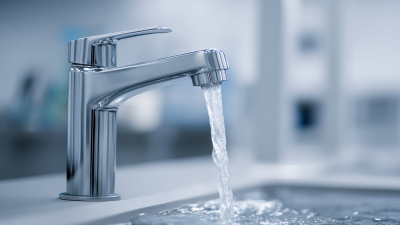
Water management in laboratories is crucial. According to a 2021 report by the American Chemical Society, over 50% of lab water usage is unnecessary. Implementing eco-friendly practices can significantly reduce this wastage. One effective method is to use sink aerators. These devices can cut water flow while maintaining pressure.
Another approach is to incorporate a recycling system in lab sinks. Capturing and reusing water for non-critical tasks can drastically lower water consumption. A study showed that labs employing such systems reduced their overall water usage by nearly 30%. Implementing these systems is not always easy. Challenges include upfront costs and staff training on new practices.
Regular audits of water usage in labs can reveal patterns. These insights help labs identify areas for improvement. Adopting eco-friendly practices is a step forward, but remaining compliant with regulations is important. Ultimately, innovation and responsibility in water usage enhance efficiency in lab environments.