Essential Lab Bench Tips for Improving Your Workspace Efficiency?
Managing a Lab Bench effectively can significantly impact your productivity. A chaotic workspace leads to frustration and wasted time. Streamlining your Lab Bench setup can make daily tasks smoother.
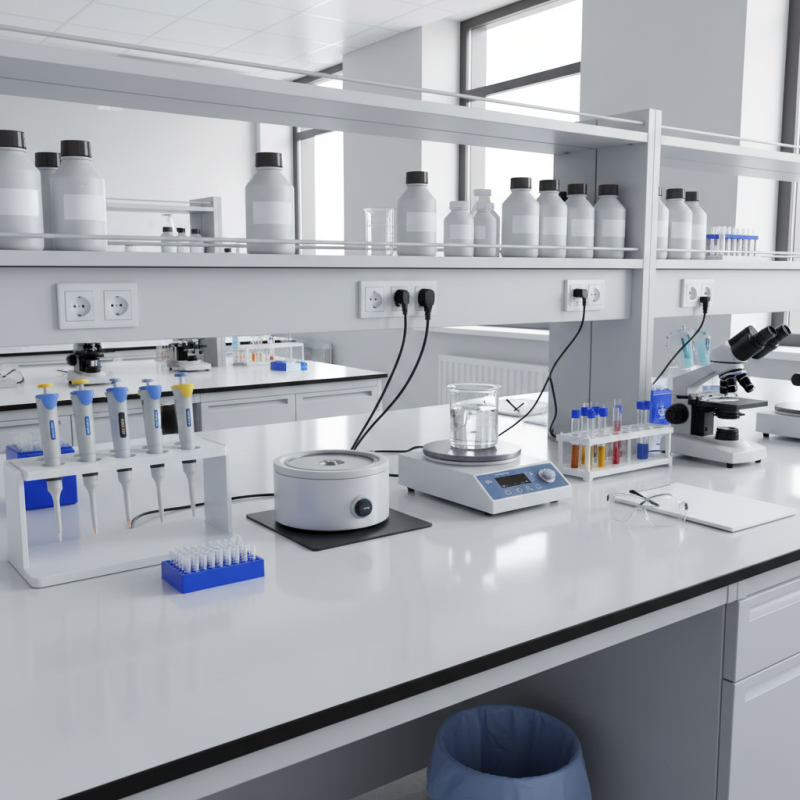
Consider the layout of your Lab Bench. Tools should be within arm's reach. This simple change can reduce unnecessary movements and enhance focus. Clutter is the enemy of efficiency. Take inventory of supplies and remove anything that is not essential. A clean bench can lead to better results and fewer mistakes.
Reflect on your habits. Are you constantly losing track of items? Create designated spaces for everything. This practice not only saves time but also prevents errors. Improving your Lab Bench is an ongoing process. Regularly assess your setup and make adjustments as needed. The goal is to foster a workspace that promotes creativity and precision.
Essential Lab Bench Tips for Improving Your Workspace Efficiency
Creating an efficient lab workspace is more than just organization. It requires thoughtful design and continuous improvement. Begin by examining your current layout. Is everything within arm’s reach? Often, we overlook simple adjustments. A few centimeters can make a big difference. Ensure your most-used tools are easily accessible. This prevents unnecessary movement and distractions during crucial experiments.
Consider your lighting. Poor lighting can impact precision. Adjust the placement of lamps or use overhead lights strategically. A well-lit bench promotes focus and accuracy. Also, regularly assess clutter. Tools left out can lead to mistakes. Encourage a habit where everything returns to its designated place after use. This not only keeps your bench tidy but also reinforces mental clarity.
Embrace small changes. A new shelving unit could open up space. Removing unused equipment can enhance workflow. Sometimes, it’s about asking for feedback from peers. External eyes can spot inefficiencies we might miss. Reflect on daily tasks. Are there steps that could be streamlined? Continuous improvement is key to an effective workspace. There’s always room to grow, and every lab can benefit from a little introspection.
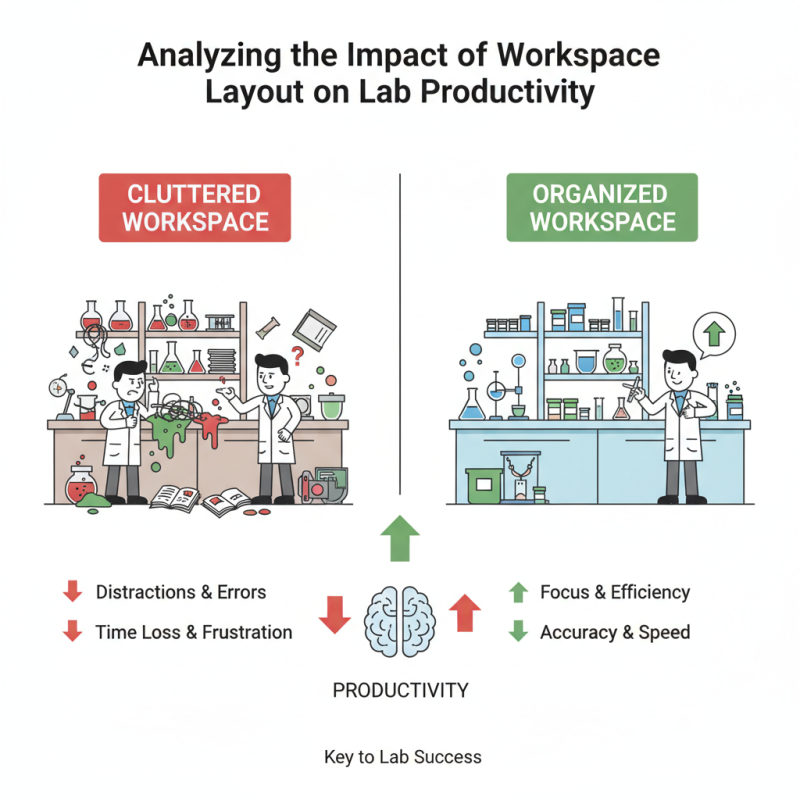
Analyzing the Impact of Workspace Layout on Lab Productivity
In lab environments, the layout can dramatically influence productivity. A cluttered workspace can lead to distractions and errors. Think about how often tools are misplaced. It's frustrating. A clear, organized lab bench allows for focus and efficiency.
Tips for improving layout include creating defined zones. Each zone should serve a specific purpose. This minimizes the time spent searching for items. Regularly assess the placement of frequently used tools. Are they easily accessible? Rearranging equipment might feel like a hassle, but it can lead to improved workflow.
Another crucial aspect is lighting. Poor lighting can cause straining and slow down tasks. Ensure your workstation is well-lit, with natural light if possible. Consider adding task lights for detailed work. It’s essential to regularly evaluate these elements. Are they serving you well, or do they need changes? Your workspace should evolve to meet your needs effectively, not just be a static environment.
Best Practices for Organizing Lab Equipment and Materials
Organizing lab equipment and materials is crucial for efficiency. A cluttered workspace can lead to mistakes or wasted time. Start by categorizing equipment based on usage. Centralize frequently used tools. Keep them within arm's reach. Label storage areas clearly to avoid confusion and misplacement. This small step saves invaluable time.
Consider a designated area for unused or rarely used items. It helps keep the main workspace tidy. It's easy to forget about these items, but they can take up valuable space. Regularly reassess and clean out this area. Sometimes, it’s necessary to let go of outdated materials.
Don't overlook digital organization. Maintain an updated inventory of lab supplies. Use simple tools for tracking. It reduces the chance of running out of essentials. However, maintaining this system requires discipline. It’s easy to fall back into old habits, leading to chaos again. Ensure everyone knows these practices. A team effort strengthens workspace efficiency.
Essential Lab Bench Tips for Improving Your Workspace Efficiency
| Tip |
Description |
Benefits |
| Label Everything |
Clearly label all reagents and equipment. |
Reduces errors and improves efficiency in locating materials. |
| Use Color Coding |
Implement a color coding system for different types of materials. |
Helps to quickly identify materials and their purposes. |
| Maintain Cleanliness |
Regularly clean the workspace and tools. |
Promotes safety and improves morale among lab users. |
| Organize by Frequency of Use |
Store frequently used items at arm's reach. |
Speeds up workflow and minimizes unnecessary movement. |
| Use Drawer Dividers |
Utilize dividers in drawers to separate items. |
Prevents clutter and allows for easy access to supplies. |
| Implement a Check-Out System |
Track equipment and materials that are borrowed. |
Ensures accountability and minimizes loss or misplacement. |
Time Management Techniques for Streamlining Daily Lab Tasks
In the lab, time management is crucial. A study found that professionals waste about 20% of their workweek on unnecessary tasks. This inefficiency can cost a lab significantly, both in time and funding. Implementing better planning techniques can boost productivity.
One effective tip is to prioritize your tasks daily. Use a simple list to rank your to-dos. Focus on high-impact activities. It’s tempting to tackle easy tasks first, but this approach can waste precious hours. Group similar tasks together. This reduces transition time and keeps you in the right mindset.
Another strategy is time-blocking. Allocate specific time slots for different activities. For instance, assign morning hours for experiments and afternoons for data analysis. Set a timer to stay on track. It’s common to underestimate time needed, so make adjustments as needed. Reflect on your actual time usage weekly. This practice allows you to identify patterns that need change. Focused adjustments can enhance lab efficiency over time.
Essential Lab Bench Tips for Improving Your Workspace Efficiency
Implementing Standard Operating Procedures (SOPs) for Efficiency
Creating an efficient lab workspace requires organization and clear procedures. Implementing Standard Operating Procedures (SOPs) is crucial for enhancing workflow. These documents standardize tasks, making processes predictable and repeatable. Each lab member should understand their duties. However, many labs fall short in defining these procedures. Some areas lack clarity, which leads to confusion and delays.
SOPs should be accessible and easy to understand. They must be regularly updated to incorporate new techniques and insights. A well-defined SOP can prevent common mistakes. Yet, it's often easy to overlook minor details, such as proper labeling of samples or reagents. Small oversights can lead to significant setbacks. Regular training sessions can help reinforce these practices, but they can be inconsistent in many labs.
Creating a system of accountability is another layer of SOP implementation. Each team member should feel responsible for adhering to these standards. When mistakes happen, they must be addressed promptly. Reflection on these errors can lead to improved procedures. Although SOPs aim for efficiency, their absence can disrupt daily operations, making communication and collaboration more complex.
Conclusion
The article "Essential Lab Bench Tips for Improving Your Workspace Efficiency" provides valuable insights into optimizing the lab environment for enhanced productivity. It emphasizes the significance of workspace layout, suggesting that a well-organized Lab Bench can significantly impact workflow and efficiency. Best practices for organizing lab equipment and materials are discussed, highlighting the importance of accessibility and systematic arrangement to reduce time spent searching for tools and supplies.
Additionally, the article introduces time management techniques tailored for streamlining daily lab tasks, encouraging the implementation of Standard Operating Procedures (SOPs) to ensure consistency and speed in operations. Finally, it explores the role of technology in fostering collaboration and improving lab workflow, underscoring how digital tools can facilitate communication and task management among team members. Overall, these tips serve as a comprehensive guide to enhancing efficiency at the Lab Bench.