10 Essential Tips for Choosing the Right Laboratory Furniture for Your Space?
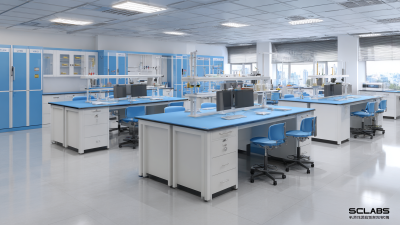
Choosing the right laboratory furniture is crucial for creating an efficient workspace. Dr. Emily Carter, a recognized expert in laboratory design, emphasizes, "The right furniture can enhance productivity and safety." Each piece must contribute to an organized environment, fostering innovation.
Laboratory furniture comes in various forms, from benches to storage solutions. Selecting pieces that match your specific needs is essential. Consider your workflow and how each item will support it. However, it’s easy to overlook factors like durability and adaptability. Not every choice will fit perfectly.
Reflecting on your space and needs is vital. Poorly chosen furniture can hinder operations. Make sure to assess the layout carefully. Balancing aesthetics with functionality should guide your decisions. Remember, the right laboratory furniture is more than a necessity; it’s an investment in your efficiency.
Understanding the Importance of Ergonomics in Laboratory Furniture Design
Ergonomics plays a crucial role in laboratory furniture design. Proper ergonomic design enhances comfort and efficiency. Scientists and technicians spend hours at workstations, so their furniture must support their well-being. Adjustable tables and chairs are essential. They allow users to customize their setup based on height and task demands.
Every detail matters. Work surfaces should be at a suitable height to prevent strain. Providing storage within easy reach reduces unnecessary movements. This can lead to fewer injuries and increased productivity. However, not all laboratories prioritize these values. Some designs overlook the importance of user comfort, leading to fatigue.
Awareness of ergonomic principles encourages better choices. Training staff on posture and workspace arrangement can further enhance effectiveness. Paying attention to ergonomics not only improves individual work experience but also fosters a collaborative environment. When furniture supports physical needs, it creates a more effective workspace conducive to innovative research.
Evaluating Material Durability: Key Features of Laboratory Furniture
When evaluating material durability in laboratory furniture, several key features arise. Research from the National Association of Scientific Equipment Companies highlights that nearly 40% of laboratory equipment failures stem from material wear. Thus, choosing the right materials becomes essential. High-density polyethylene (HDPE) is popular due to its resistance to chemicals and scratches. Steel frames provide structural integrity, yet they can corrode when exposed to harsh substances.
Tip: Inspect the surface finishes. A non-porous finish inhibits bacterial growth and makes cleaning easier. In contrast, porous materials can harbor contaminants, undermining lab safety.
Many labs overlook weight considerations. The American Laboratory's survey showed that more than 30% of lab workers reported injuries due to improper lifting of heavy equipment. Consider ergonomic design. Adjustable-height surfaces facilitate comfort and reduce strain. Remember, comfort affects productivity directly.
Tip: Test the furniture before purchase. Look for stability under load. A piece that wobbles can lead to accidents. Seek options that offer lifetime warranties; this can indicate a manufacturer's confidence in durability.
Assessing Space Efficiency: Custom vs. Pre-Fabricated Laboratory Solutions
When designing a laboratory, space efficiency is crucial. Custom and pre-fabricated solutions offer different advantages. According to the Laboratory Design Conference, 70% of lab managers prioritize layout flexibility. Custom solutions can fit unique needs but often require more time and financial investment. In contrast, pre-fabricated options deliver quicker setups, appealing to those under budget constraints.
One study from BioPharma Dive indicates that 54% of labs using pre-fabricated furniture experienced fewer spatial issues. This suggests that choosing pre-fabricated solutions may lead to immediate productivity boosts. However, not all pre-fabricated furniture is adaptable. Some designs limit future changes, which can be a drawback.
Custom furniture can enhance workflow. It allows for specific measurements tailored to equipment. However, customization can introduce risks, such as unexpected costs and delays. It’s important to weigh these factors before making a choice. Understanding both options helps in maximizing space and efficiency, ensuring the laboratory meets current demands while remaining adaptable for future growth.
Budget Considerations: Cost Analysis of Laboratory Furniture Options
When selecting laboratory furniture, budget considerations are paramount. Costs vary widely based on materials, design, and functionality. Invest time in researching options that meet your specific needs without overspending. Look for durable materials that offer long-term savings. Cheap furniture may save money upfront but can lead to higher replacement costs later.
One tip is to analyze the total cost of ownership. This includes maintenance and durability. Investing in robust, high-quality furniture may turn out to be more economical over time. Additionally, consider customizable solutions. Tailored furniture can optimize space efficiency, potentially saving you money on renovation later.
Don't overlook the importance of space planning. Ensure your layout promotes workflow. A well-thought-out design can enhance productivity, which ultimately impacts your bottom line. Remember, while immediate costs matter, the long-term investment is what truly counts.