Essential Physics Lab Furniture: A Guide to Optimize Your Lab Setup
In the realm of scientific research and experimentation, creating an effective and efficient workspace is crucial. The role of Physics Lab Furniture cannot be overstated, as it directly impacts both the functionality and safety of the laboratory environment. A well-structured lab setup not only enhances productivity but also fosters a culture of innovation by ensuring that researchers can easily access the tools and materials they need.
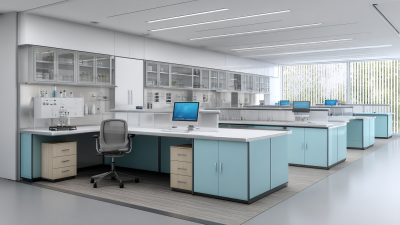
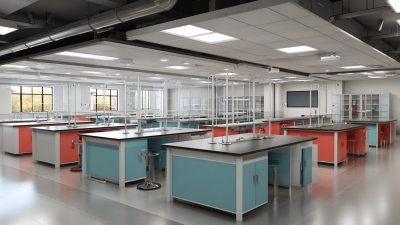
When designing a physics lab, the selection of appropriate furniture is vital. This includes workbenches that are durable and spacious, storage solutions that organize essential equipment, and lab chairs that provide comfort during long hours of research. Moreover, the configuration of the furniture should promote collaboration among researchers while maintaining individual workspace for focused tasks. By carefully considering the layout and type of Physics Lab Furniture, lab managers can create an atmosphere that supports scientific inquiry and exploration.
Furthermore, optimizing lab furniture setups involves understanding the specific needs of the ongoing projects and accommodating future developments. This guide will explore various options and strategies to assist you in choosing the right Physics Lab Furniture, ensuring your laboratory is well-equipped to meet the demands of modern scientific research.
Types of Essential Lab Furniture for Physics Experiments
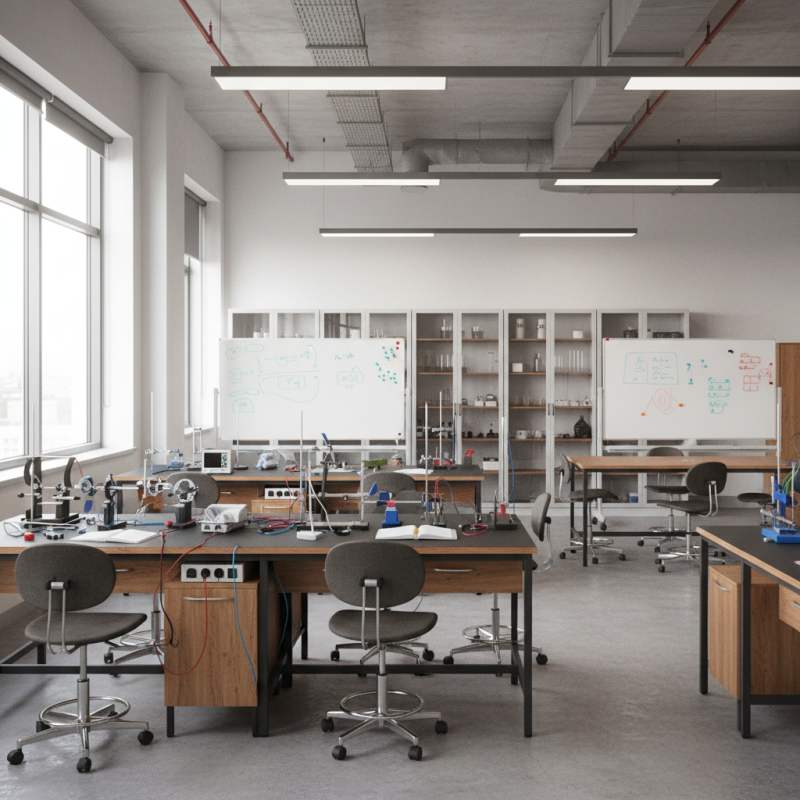
When setting up a physics lab, selecting the right furniture is crucial for fostering an effective and safe experimental environment. One of the most essential pieces of lab furniture is the workbench. A sturdy and spacious workbench allows for a variety of experiments, providing adequate surface area for equipment setup and minimizing distractions. It is advisable to choose workbenches with adjustable heights, accommodating different users and ensuring comfort during prolonged work sessions.
In addition to workbenches, storage units are vital for organizing lab equipment and supplies. Shelving units and cabinets help keep the laboratory tidy and facilitate easy access to experiments and tools. Lockable storage options are essential for securing sensitive or hazardous materials. Moreover, ergonomic seating should not be overlooked. Comfortable, adjustable chairs promote good posture and focus, thereby enhancing productivity during extensive experimentation. Investing in high-quality lab furniture not only enhances the overall workflow but also ensures the safety and comfort of everyone in the lab.
Choosing the Right Workbenches for Optimal Lab Functionality
When setting up a physics lab, selecting the right workbenches is fundamental to ensuring optimal functionality and efficiency in experiments and research. The ideal workbench should provide ample surface area that accommodates various equipment and materials while allowing for safe and organized multitasking. Considerations such as height adjustability can enhance ergonomic comfort, catering to the diverse needs of users, fostering better posture and reducing fatigue during prolonged work sessions.
Durability and resistance to common lab chemicals are crucial features when choosing lab workbenches. Workspaces are often subjected to spills, heat, and heavy equipment, so opting for benches made from sturdy, easy-to-clean materials will extend their lifespan and maintain cleanliness. Additionally, incorporating features like built-in storage solutions can help keep essential tools and materials readily accessible, minimizing clutter and streamlining workflow. Well-designed workbenches can significantly impact productivity, facilitating a smoother transition from one experiment or task to another.
Storage Solutions for Physics Labs: Cabinets and Shelving
Storage solutions are crucial in optimizing the efficiency and safety of physics labs. Adequate storage not only helps in organizing equipment and materials but also plays a significant role in ensuring a clutter-free environment, which is essential for laboratory operations. According to a report by the National Laboratory Safety Summit, 40% of lab accidents occur in areas where items are stored improperly. Therefore, investing in appropriate cabinets and shelving units can not only enhance organization but also significantly reduce the likelihood of accidents.
When selecting cabinets for physics labs, it is important to consider factors such as durability, accessibility, and safety features. For instance, research indicates that modular shelving systems can improve lab storage efficiency by over 30% compared to static shelving. Additionally, utilizing closed cabinets for hazardous materials ensures compliance with safety regulations, minimizing exposure risks. With the right storage solutions, labs can effectively manage their space while facilitating workflow, helping researchers and students focus on their projects without the distraction of disorganization.
Incorporating mobile shelving can further optimize laboratory setups, as these systems allow for flexible reconfiguration of space to meet evolving project needs. A study published by the American Institute of Physics noted that labs with adaptable storage solutions reported a 25% increase in operational efficiency. Thus, carefully evaluating storage options can lead to better organization, enhanced safety, and improved productivity in physics labs.
Ergonomic Considerations in Lab Furniture Design
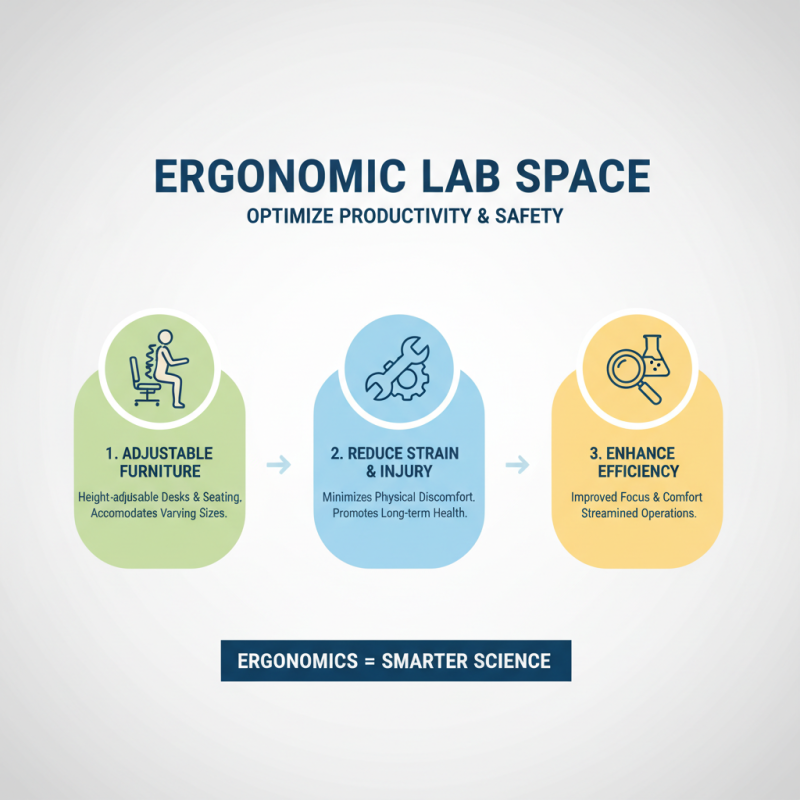
In designing an efficient laboratory space, ergonomic considerations play a crucial role in optimizing both productivity and safety. Ergonomics focuses on creating work environments that accommodate the physical needs of users, thus minimizing strain and injury. When selecting lab furniture, it is essential to consider adjustable features, such as height-adjustable desks and ergonomic seating, to cater to the varying sizes and preferences of lab personnel. This adaptability not only promotes comfort but also enhances operational efficiency, allowing researchers to focus on their tasks without the distraction of physical discomfort.
Moreover, the layout of lab furniture is vital for ensuring ease of movement and accessibility. Workstations should be strategically placed to allow for smooth workflows, preventing overcrowding and excessive bending or reaching. Incorporating features such as side tables for tools and materials can streamline processes, while organized storage solutions reduce clutter and enhance the workspace's functionality. Additionally, investing in equipment with supportive designs, such as padded stools and desks with rounded edges, can further safeguard against repetitive strain injuries, fostering a healthier work environment in the lab.
Safety Features in Physics Lab Furniture: An Overview
When designing a physics lab, the safety features of the furniture should be a primary consideration. Well-constructed lab tables, for instance, should be made from materials that can withstand spills of chemicals and prolonged exposure to heat. Features such as rounded corners can help reduce the risk of injuries, especially in busy environments where students and equipment are constantly in motion. Additionally, lab furniture should be sturdy enough to support heavy equipment and minimize the risk of tipping or accidental collisions.
Furthermore, storage solutions play a critical role in maintaining a safe lab environment. Properly designed cabinets and shelving can organize hazardous materials away from general workspace, ensuring that chemicals and tools are securely stored and easily accessible. Lockable cabinets can provide added security for sensitive items, preventing unauthorized access. Integrating safety features such as built-in spill trays and fire-resistant materials into lab furniture design can dramatically reduce the risk of accidents, allowing for a safe space where students can focus on their experiments without unnecessary threats.