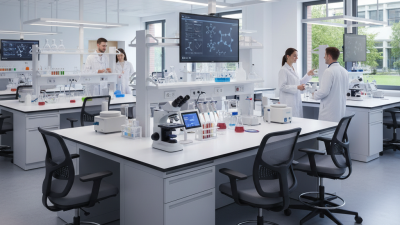
In the dynamic world of scientific research, the design and functionality of a Science Laboratory Bench play a pivotal role. Dr. Emily Johnson, an expert in laboratory design, once stated, "A well-structured lab bench can significantly enhance productivity and safety." This emphasizes the importance of focusing on essential features that cater to researchers' needs.
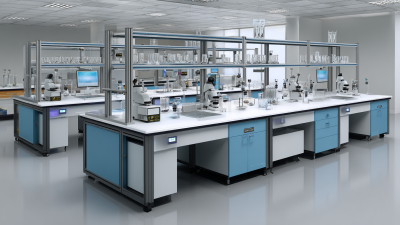
When choosing a Science Laboratory Bench, several key features should be prioritized. Think about the material used. Durable, easy-to-clean surfaces can withstand harsh chemicals and frequent use. Coated steel or solid wood often work best in demanding environments. Storage solutions are vital, too. Flexible drawer systems and shelving allow for better organization, promoting efficiency.
However, many laboratories overlook the emotional impact of workspace design. A cluttered bench can lead to frustration. Lighting also plays a crucial role; natural light can improve mood, while inadequate lighting may cause eye strain. These details make a noticeable difference in scientists' daily experiences. Therefore, understanding these essential features is not merely about functionality; it reflects a commitment to creating an optimal working environment.
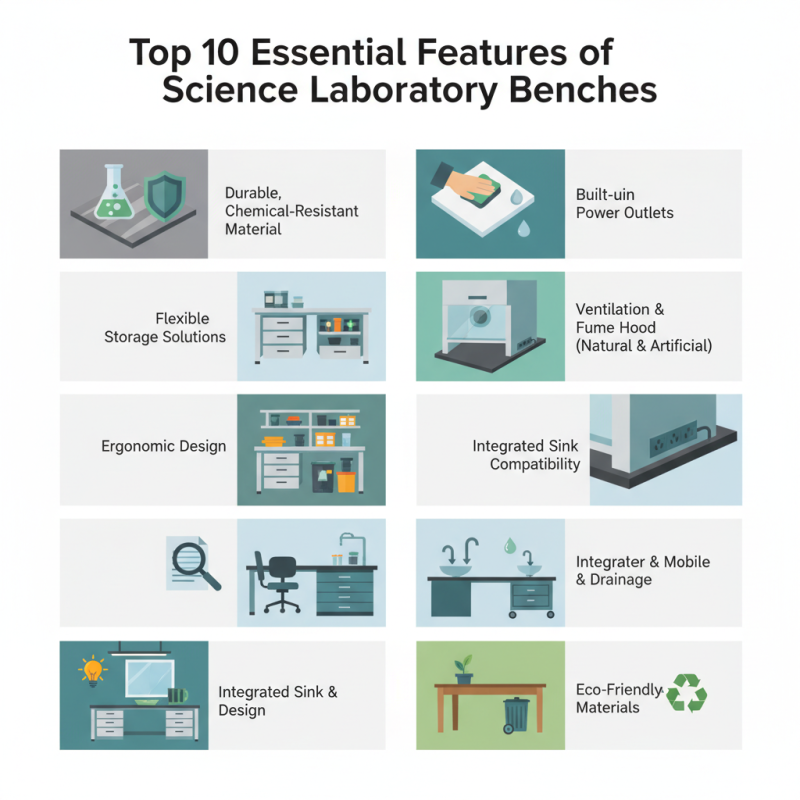
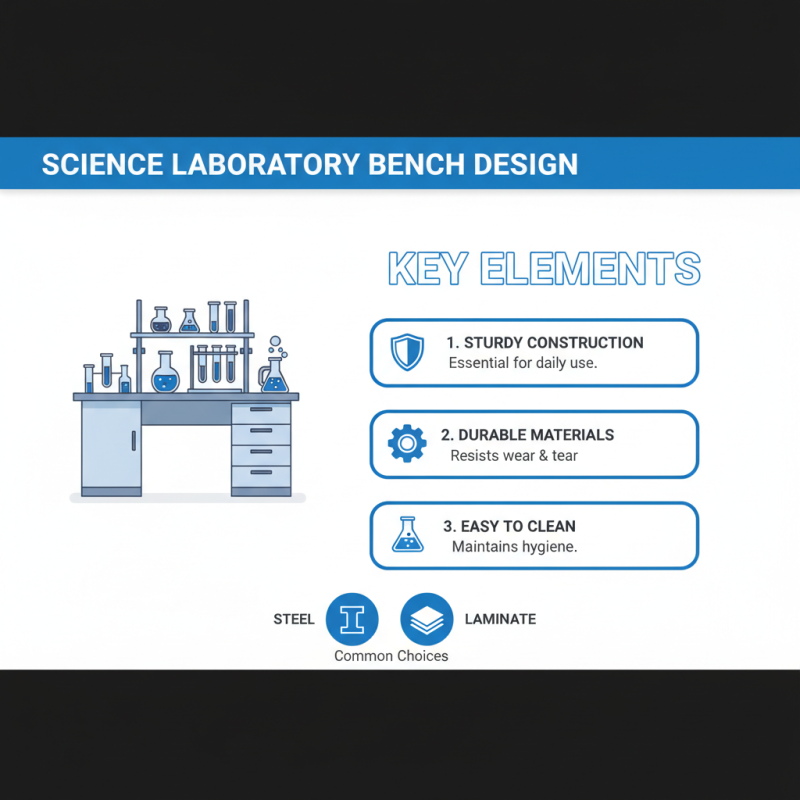
When designing science laboratory benches, several key elements come into play. Sturdy construction is essential. The materials used must withstand daily wear and tear. Common choices include steel and laminate. These materials ensure durability and ease of cleaning.
Flexibility in design is another important feature. Benches should accommodate various tasks. Adjustable heights and modular components allow customization for different experiments. This adaptability can enhance workflow efficiency. It's crucial to create a space that feels tailored to the users’ needs.
**Tip:** Regularly assess the lab's functionality. Gather feedback from users to identify areas needing improvement. Minor adjustments can significantly impact usability.
Consider storage solutions as well. Ample space for tools, chemicals, and personal items is vital. Overcrowded spaces can lead to accidents. Drawers and shelves should be easily accessible but secure.
**Tip:** Think about safety features. Rounded edges and non-slip surfaces can reduce the risk of injuries. Design should promote a safe working environment, as it is often overlooked. Reflect on how these elements affect daily lab operations.
When selecting materials for science laboratory benches, durability and performance are crucial. Common choices include epoxy resin and phenolic resin. These materials offer excellent chemical resistance, which is essential in a lab setting. According to the 2022 ASTM Standard for laboratory furniture, benches constructed with these resins can withstand harsh substances and temperatures up to 180°F.
However, the choice of material goes beyond just resistance. A study by the National Research Council indicates that weight and stability play significant roles in a laboratory’s functionality. Heavy-duty materials contribute to better stability. Yet, the challenge lies in balancing weight with ease of mobility. Many users struggle with this when needing to rearrange lab spaces.
Surface finish is another critical aspect. Smooth, non-porous finishes are ideal for preventing bacteria growth. Unfortunately, not all surfaces maintain this standard over time. Many setups show signs of wear after extensive use. Users must prioritize both performance and ease of maintenance to ensure longevity. Selecting the right materials requires careful thought and reflection on their current conditions.
Science laboratory benches play a vital role in enhancing productivity. Ergonomic considerations are key to user comfort and efficiency. A well-designed bench should allow for proper posture. Users often face discomfort due to awkward positioning. Adjustable height features can accommodate different users. This helps prevent fatigue during long experiments.
Surface materials matter too. Smooth, easy-to-clean surfaces reduce strain. Bright lighting in the workspace is crucial. Proper illumination helps avoid eye strain. Additional features like footrests and low-impact stools enhance comfort. However, not all benches prioritize these elements. Laboratories may overlook individual needs, leading to frustration.
Storage solutions also impact usability. Accessible drawers save time during experiments. Cluttered spaces increase distractions. Simple, organized workspaces promote focus. When benches lack these considerations, productivity suffers. Ergonomics should always be a priority for effective laboratory work.
| Feature | Description | Benefit |
|---|---|---|
| Adjustable Height | Allows users to modify the height of the bench | Enhances comfort and promotes proper posture |
| Chemical Resistance | Surface materials that withstand corrosive substances | Increases longevity and safety of the workspace |
| Integrated Storage Solutions | Built-in drawers and cabinets for easy access to tools | Improves organization and efficiency during experiments |
| Non-slip Surface | Textured surfaces to prevent slipping of materials | Enhances safety by preventing accidental spills |
| Easy to Clean | Materials that can be quickly wiped clean | Saves time and maintains hygiene standards |
| Electrical Outlets | Built-in power outlets for equipment use | Enhances functionality for electronic devices |
| Fume Extraction | Ventilation systems to remove hazardous fumes | Ensures a safer working environment |
| Modular Design | Flexible setups that can be customized | Adapts to various lab requirements |
| Ergonomic Features | Design elements that support user comfort | Reduces physical strain and increases productivity |
| Space Optimization | Design that maximizes usable surface area | Enhances workflow and organization |
Efficient storage solutions in science laboratory benches are critical for productivity. Studies show that about 30% of time in labs is wasted searching for tools and supplies. By implementing organized storage, this time can be reduced significantly. Clear labeling and designated areas for each item streamline access and improve workflow.
Shelving units and drawers are essential. They provide space for both small and large equipment. For instance, use modular shelving to adapt to changing needs. Create sections for chemicals, tools, and personal protective equipment. This reduces clutter, which can lead to accidents. In fact, research indicates that nearly 70% of lab accidents stem from poor organization.
Mobile storage carts add flexibility. They allow you to move essentials closer to your work area. However, mobility can also lead to disorganization if not managed well. Encourage consistent practices among all team members to maintain order. Sometimes, a chaotic environment can lead to missed opportunities for efficiency and safety. Strive for a balance between accessibility and organization.
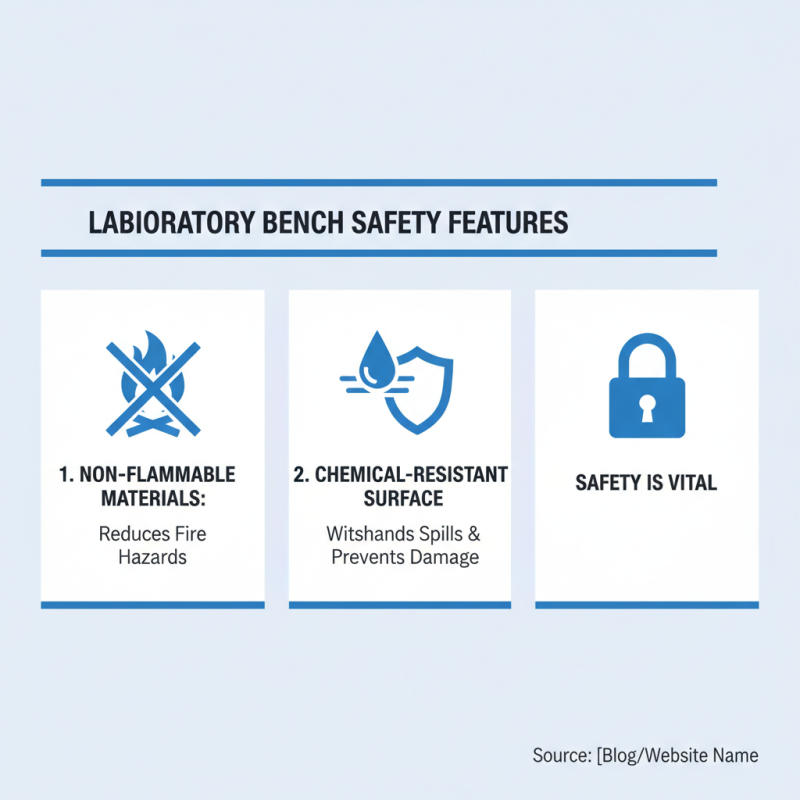
Safety is vital in laboratory environments. Proper laboratory benches must have several key safety features. First, they should be made from non-flammable materials, reducing fire hazards. Using chemical-resistant surfaces is also essential. These surfaces can withstand spills and prevent damage.
Another crucial aspect is the inclusion of proper storage solutions. Cabinets and drawers should securely store hazardous materials. This minimizes the risk of accidental exposure. Easy-to-reach sinks and eyewash stations are also important. They provide quick access to emergency washing.
Lighting is often overlooked but critical. Adequate task lighting helps reduce strain and improve visibility. Additionally, benches should have rounded edges to prevent injuries. A clutter-free workspace is essential for safety. Disorganization can lead to accidents, distracting staff from their work. Regular inspections can identify potential hazards. Keeping up with safety protocols is a continuous effort.