How to Choose the Right Physics Laboratory Bench for Your Needs?
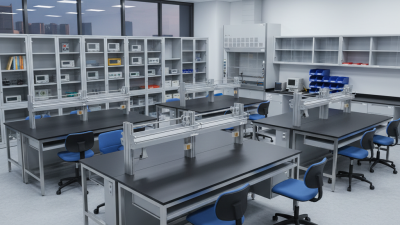
When setting up a physics laboratory, choosing the right Physics Laboratory Bench is vital. According to Dr. Emily Carter, a renowned expert in laboratory design, "The bench is the heart of every physics lab." This statement emphasizes the importance of having a suitable workspace that meets specific needs.
Selecting a Physics Laboratory Bench involves careful consideration. Factors such as size, material, and features play a significant role. A bench should provide ample space for experiments and be durable enough to withstand daily use. In addition, specialized benches may be required for specific equipment. The wrong choice can lead to inefficiencies and safety concerns.
Moreover, it's essential to reflect on how the bench will accommodate evolving technology. As experiments change, flexibility in design can enhance functionality. A well-chosen Physics Laboratory Bench is not merely a piece of furniture; it helps cultivate innovation and supports scientific discovery. An improperly selected bench could hinder progress and create unnecessary challenges.
Understanding Different Types of Physics Laboratory Benches Available Today
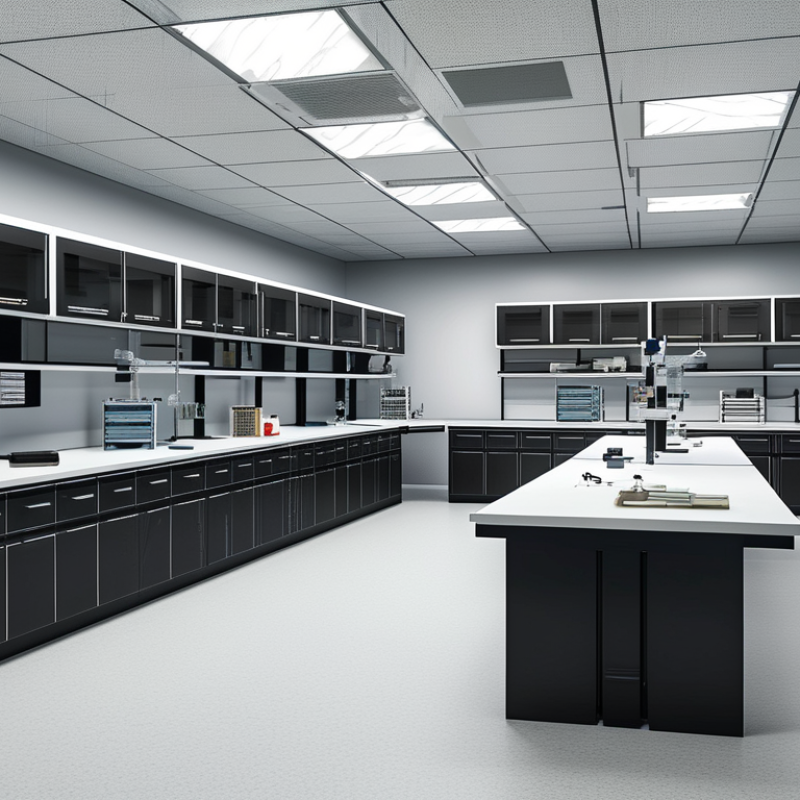
Selecting the right physics laboratory bench is crucial. Several distinct types are available, each serving specific functions. For example, general-purpose benches are versatile and can accommodate various experiments. They are sturdy, ideal for heavy equipment, and usually have ample workspace.
Specialized benches, on the other hand, cater to particular needs. For instance, electronic benches include integrated power supplies and oscilloscopes, making them perfect for electrical experiments. Chemistry benches often have built-in fume hoods and sinks for safety, addressing the need for a controlled environment. You may have to decide between mobility and stability; portable benches offer flexibility, but may lack durability.
Another consideration is storage. Some benches have built-in cabinets or drawers for easy access to tools and materials. Without proper storage, your workspace can become cluttered, leading to inefficiency. Reflecting on these choices is essential. Each type of bench presents unique advantages and challenges, tailored to different experimental demands.
Types of Physics Laboratory Benches and Their Usage
Key Considerations for Selecting the Right Materials for Laboratory Benches
When selecting materials for laboratory benches, durability is paramount. Laboratory environments can be harsh. Chemicals, heat, and constant use can wear down surfaces quickly. A study from the Laboratory Equipment Manufacturers Association indicates that benches with chemical resistance last significantly longer than standard materials. This means choosing the right surface can save money over time.
Another critical factor is the bench's weight capacity. Heavy equipment often finds a home in physics labs. Materials like stainless steel can support greater loads compared to wood or laminate. The American National Standards Institute advises that lab benches should support at least 500 pounds for safe operation. This ensures your lab can handle high-tech apparatus without risk.
Lastly, consider the bench height and adjustability. Not every researcher or student is the same height. Adjustable benches promote ergonomic practices. A good ergonomic workspace reduces strain and enhances productivity. Many users overlook this, but it can lead to discomfort and injuries over time. Balancing aesthetics and functionality is also a tricky area; often, the best-looking benches lack practical features. Careful thought is needed to find the perfect blend that meets all laboratory requirements.
Evaluating Bench Size and Configuration for Optimal Laboratory Workflow
When selecting a laboratory bench, size and configuration are critical for efficiency. Research shows that workflows improve by up to 30% with well-organized workspace layouts. A bench that matches your lab's specific dimensions can greatly optimize movement and access to materials. For instance, a standard width of 60 to 72 inches is often recommended for accommodating multiple users without crowding.
Consider the bench height as well. Ergonomics play a vital role in reducing fatigue. About 50% of laboratory workers report discomfort from improper setup. Adjustable-height benches can mitigate this issue, allowing users to customize their workstations. Proper arrangement of instruments and equipment leads to quicker experiment times, enhancing overall productivity.
Dynamic bench configurations are also worth assessing. An open bench may work well for flexible tasks, while enclosed cabinets can help contain clutter and support specialized work. A study indicates that 40% of lab errors stem from poor organization. Regular evaluations of bench layouts can highlight areas for improvement and lead to design adjustments that better cater to evolving laboratory needs.
Assessing Bench Features: Storage, Accessibility, and Mobility in Labs
When selecting a physics laboratory bench, consider key features that enhance functionality. Storage is essential. Adequate drawers and shelves need to accommodate various instruments. A clutter-free workspace improves focus and efficiency. Compact storage solutions can save space while keeping essentials within reach.
Accessibility also matters significantly. Benches should allow easy access to tools and equipment. Avoid designs that create barriers. Ensure that benches are at a comfortable height for users of different sizes. In a collaborative environment, mobility enhances teamwork. A mobile bench allows for quick repositioning during experiments.
Tips for optimization:
- Utilize vertical space for storage solutions.
- Ensure clear pathways around the bench.
- Test bench height to suit diverse users.
Thinking about future needs is crucial. Trends in lab technology change quickly. Consider modular designs that adapt to evolving requirements. Regular reflection on the lab layout will lead to continuous improvements. This adaptability may prevent future frustrations and simplify your research process.
Budgeting for Your Laboratory Bench: Cost Estimates and Long-Term Investment
When budgeting for a physics laboratory bench, it's crucial to consider both immediate costs and potential long-term benefits. The initial investment may seem daunting, but the right bench can enhance productivity and efficiency. A well-constructed bench should last many years, making it a valuable investment. Focus on the materials and design that will withstand daily use. Consider how the bench's durability may save costs on repairs or replacements.
Think about your specific needs. If you conduct experiments that require heavy equipment, a sturdy bench is essential. If you're working in a tight space, a compact design could save money while maximizing functionality. Don’t overlook the importance of customization options. They may allow for better organization, which can reduce wasted time and improve accuracy in experiments.
It’s easy to underestimate the long-term benefits of choosing wisely. A cheap bench may seem economical now, but costs can add up over time with repairs or early replacements. Reflect on your laboratory's evolving needs. An adaptable bench may save you from needing to budget for another purchase soon. Investing in quality upfront often proves to be the most cost-effective strategy in the end.
How to Choose the Right Physics Laboratory Bench for Your Needs?
| Bench Type |
Cost Estimate (USD) |
Durability (Years) |
Best Use Cases |
Maintenance Needs |
| Standard Wood Bench |
$200 - $400 |
5 - 10 |
General experiments, light equipment |
Low |
| Metal Lab Bench |
$500 - $800 |
10 - 15 |
Heavy experiments, durable environments |
Medium |
| Lab-Grade Epoxy Bench |
$800 - $1200 |
15 - 20 |
Chemical resistance, precise work |
Low |
| Adjustable Height Bench |
$700 - $1000 |
10 - 15 |
Ergonomic setups, mixed use |
Medium |
| Portable Lab Bench |
$300 - $600 |
5 - 10 |
Fieldwork, mobile testing |
High |