Why Choose the Right Laboratory Faucet for Your Workspace?
Choosing the right laboratory faucet is crucial for any workspace. It's not just about functionality; it's about safety and efficiency. A laboratory faucet serves as a key component, facilitating various tasks. The right faucet can enhance workflow, providing easy access to water where needed most.
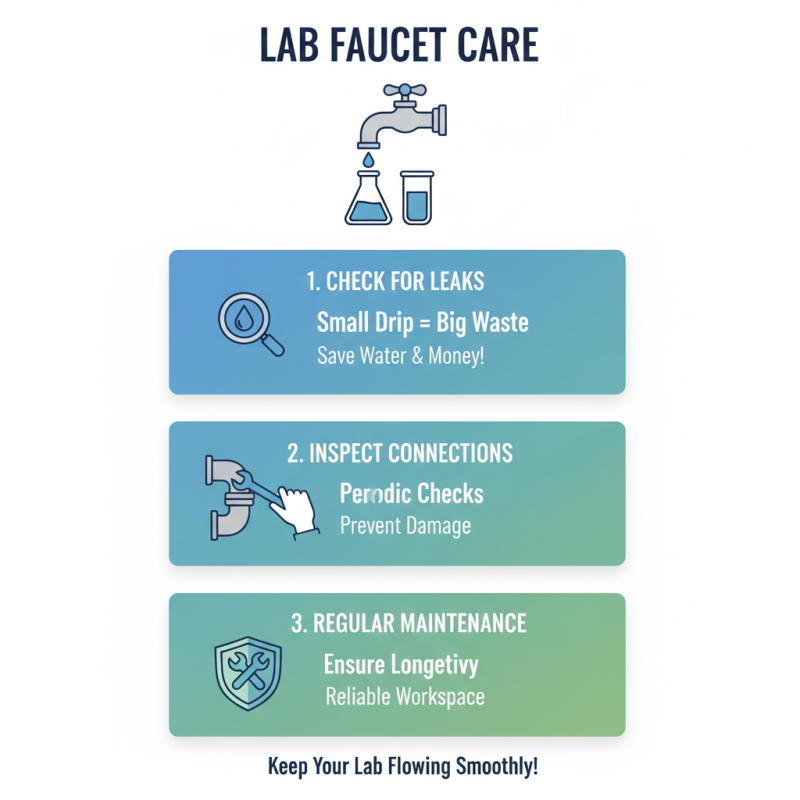
When selecting a laboratory faucet, consider your specific requirements. Will it be used for sinks, or do you need additional features? High-quality materials matter. They ensure longevity and resist the harsh chemicals often found in labs. However, there can be oversights, such as neglecting maintenance. Regular checks are essential to prevent leaks or malfunctions.
It's easy to underestimate the importance of this choice. Many overlook the potential consequences of a poorly designed faucet. A simple faucet can impact research outcomes and productivity. In essence, the right laboratory faucet can redefine your workspace, encouraging a safer and more effective environment. Keep these factors in mind to make a well-informed decision.

Understanding the Importance of Laboratory Faucets in Workspaces
Laboratory faucets are crucial fixtures in scientific environments. They serve a practical purpose but also contribute to overall efficiency. Choosing the right faucet enhances safety and workflow in the workspace. The faucet must provide easy access to water when handling samples and conducting experiments. An ergonomic design can reduce strain during long hours of work, which is often overlooked.
Consider the materials of the faucet. Some materials can corrode or wear out quickly, leading to leaks and contamination. A sturdy faucet not only lasts longer but also ensures reliable performance. This is vital in a lab where precision is key. Water quality matters too. Poor water can affect results. A faucet designed for laboratories minimizes such risks.
Sometimes, facilities might focus only on aesthetics. However, practical features should not be ignored. A user-friendly faucet makes a significant difference. It encourages teamwork and collaboration in the lab. Time spent sorting out a malfunctioning faucet can delay critical experiments. Reflecting on past choices can lead to better decisions in future setups.
Why Choose the Right Laboratory Faucet for Your Workspace?
| Dimension |
Importance |
Considerations |
Recommendation |
| Material |
Durability and Resistance to Corrosion |
Choose materials like stainless steel or brass. |
Stainless Steel for moderate to high usage. |
| Flow Rate |
Efficiency in Water Usage |
Consider low flow options that save water. |
Look for faucets rated under 2.5 GPM. |
| Control Mechanism |
Ease of Use While Handling Chemicals |
Labeled for hot/cold and may have foot pedals. |
Choose touchless or pedal-operated for hands-free use. |
| Height and Reach |
Compatibility with Lab Equipment |
Make sure it fits under hoods and is accessible. |
Select adjustable height faucets for versatility. |
| Certification |
Safety and Compliance Assurance |
Look for NSF or ANSI certifications. |
Ensure products meet local and federal regulations. |
Key Features to Consider When Selecting a Laboratory Faucet
Selecting the right laboratory faucet is crucial for safety and efficiency. When evaluating options, consider key features that match your workspace needs. A study by the American National Standards Institute highlights that around 30% of laboratory accidents are linked to inadequate workstation setups. A well-chosen faucet reduces risks and enhances productivity.
Durability is essential. Stainless steel faucets are resistant to corrosion and wear, making them a preferred choice. The American Society for Testing and Materials found that materials significantly influence the lifespan of laboratory fixtures. Users need to assess the frequency of use and the types of substances handled. Compatibility with various lab environments should not be underestimated.
Additionally, ease of operation matters. Faucets with sensors or foot pedals can minimize contamination risks. A report by the National Institute for Occupational Safety and Health suggests that ergonomic designs alleviate strain during extended use. Consider the installation requirements too; complex setups can lead to delays. Reflect on these features when making your selection.
Why Choose the Right Laboratory Faucet for Your Workspace?
Choosing the right laboratory faucet is crucial for functionality, safety, and efficiency in a laboratory setting. This chart illustrates the key features to consider when selecting a laboratory faucet, along with their importance ratings.
Different Types of Laboratory Faucets and Their Uses
Choosing the right laboratory faucet can significantly affect your workspace's efficiency and safety. Different types of laboratory faucets cater to various needs. For example, gooseneck faucets are common for general washing tasks. Their design allows for greater versatility, facilitating easy access to equipment.
According to a 2022 report by the American Laboratory Association, 54% of lab professionals prioritize adaptability in their faucet choices.
Another option is the pre-rinse spray faucet. This type is essential for labs requiring precise cleaning protocols. Its detachable nozzle offers excellent control over water flow, making it easier to rinse labware effectively. Nearly 40% of labs invest in pre-rinse faucets, reflecting a trend toward greater specificity in functionality. However, improper installation can lead to leaks or pressure issues, which can waste water and disrupt operations.
For specialized tasks, consider laboratory faucets with built-in gas connections. These faucets are ideal for applications that require both water and gas simultaneously. Though they offer increased functionality, they can pose challenges. Some users report difficulty in managing dual systems, resulting in inefficiencies. Furthermore, 29% of labs express concerns about maintaining safety standards when using complex faucets.
Benefits of Choosing Quality Laboratory Faucets for Safety and Efficiency
Choosing the right laboratory faucet is essential. A quality faucet enhances safety and promotes efficiency in the workspace. Safety is paramount in lab environments. A reliable faucet reduces the risk of accidents. For instance, a single malfunction can lead to dangerous spills or exposure to hazardous substances. When a faucet leaks, it can create hazardous conditions. This can divert attention from critical tasks, impacting overall workflow.
Efficiency also matters significantly. A well-designed faucet allows for quick access to water. In a lab, every second counts. If users struggle with a faulty faucet, their productivity suffers. Sturdy materials and ergonomic designs can prevent these issues. Yet, not all labs prioritize these features. Some may overlook important aspects when selecting faucets. This can lead to inefficiencies that harm scientific progress or experimental outcomes.
Consider maintenance as well. A high-quality faucet requires less frequent repairs. It can save time and resources over time. However, some users may neglect regular checks. They might choose convenience over quality. This can result in bigger problems down the line. A thoughtful choice leads to safer and more efficient lab operations. Reflecting on this is crucial for any laboratory setting.