How to Choose the Right Science Laboratory Furniture for Your Lab?
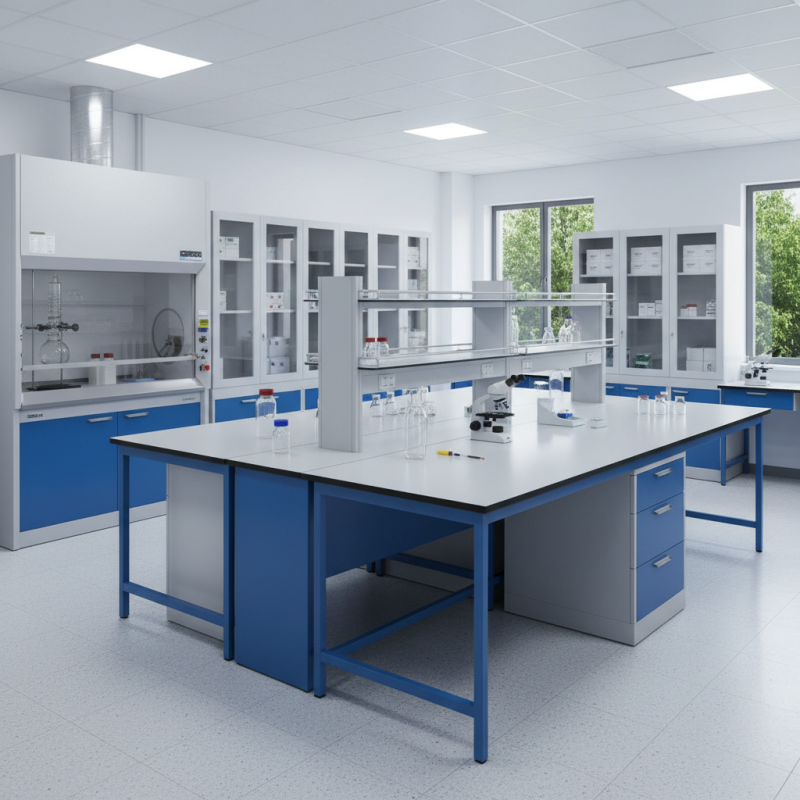
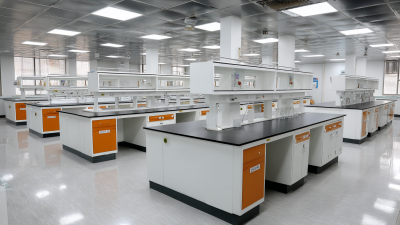
When setting up a laboratory, choosing the right Science Laboratory Furniture is crucial. The furniture must cater to the specific needs of your lab's operations. Functionality, safety, and durability are key factors, but aesthetics matter too. A well-organized lab can enhance productivity and maintain safety standards.
Consider the various types of furniture available. Workbenches, storage cabinets, and fume hoods each serve unique purposes. It's vital to choose designs that fit your laboratory's workflow. Color and material also impact the lab environment. A cluttered workspace can lead to errors or accidents.
Reflect on your current setup. Is the furniture ergonomic? Does it support your research needs? You may realize that what seemed right initially might not be ideal. Embracing the right Science Laboratory Furniture is about understanding your environment and making informed choices.
Understanding the Importance of Ergonomics in Lab Furniture Selection
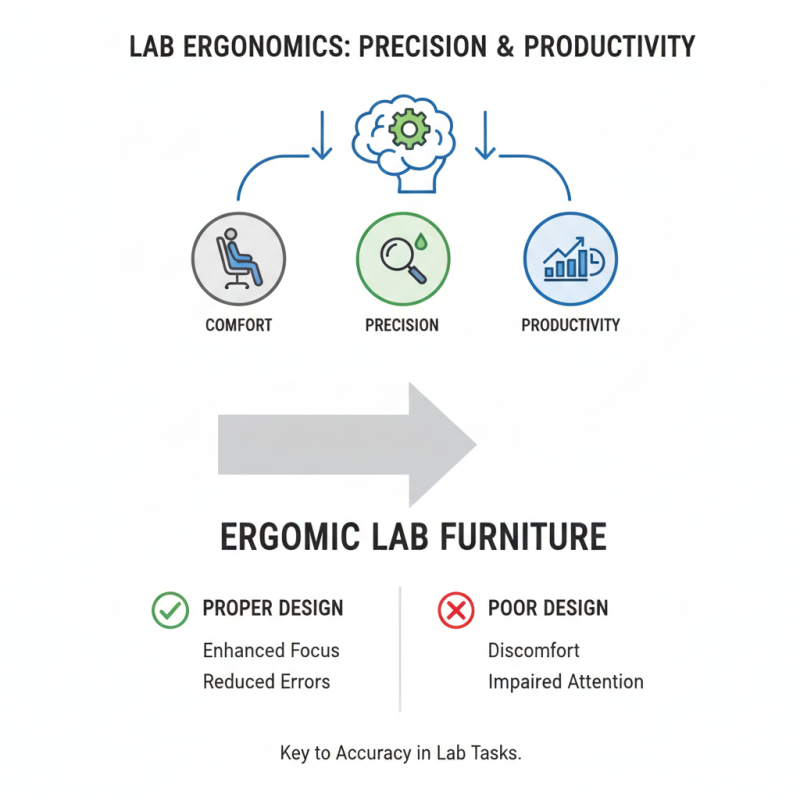
When selecting lab furniture, ergonomics plays a critical role. Proper ergonomic design can enhance productivity and comfort. For lab workers, comfort translates to precision in their tasks. Without ergonomic considerations, discomfort can lead to reduced focus and errors. Every lab activity requires attention to detail, which can be impaired by poor seating or inadequate work surfaces.
Tips for choosing ergonomic furniture:
- Assess your laboratory tasks. What tasks require a lot of time?
- Choose adjustable chairs and tables. Flexibility accommodates various body types.
- Ensure there is ample legroom. This small detail can prevent long-term discomfort.
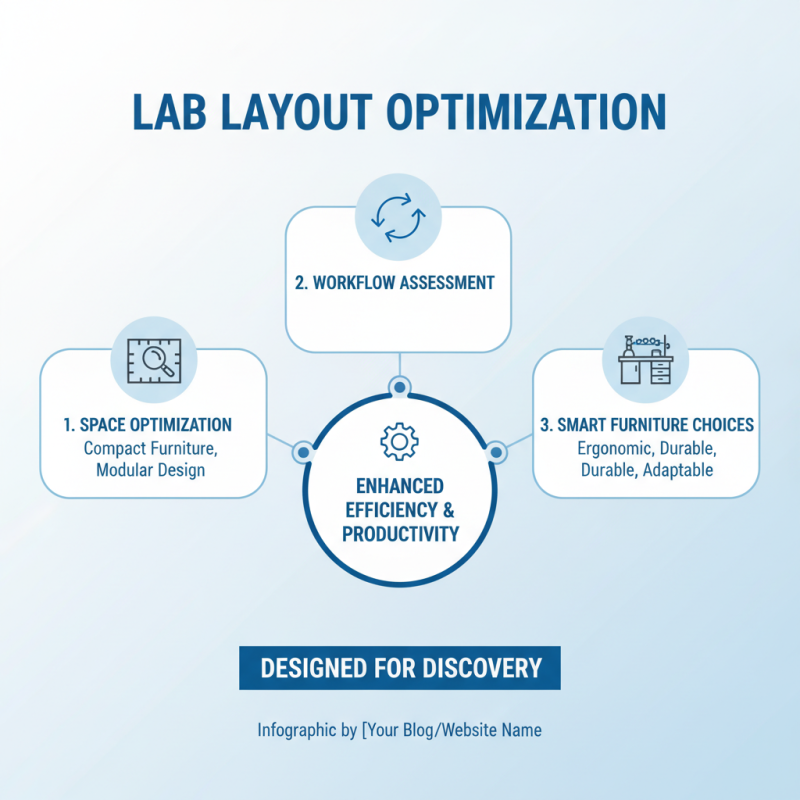
An often-overlooked aspect is the workspace layout. Flow is essential. If furniture hinders movement, it creates frustration. Evaluate how personnel interact with equipment and each other. A cramped environment can negatively impact collaboration.
Selecting the right lab furniture is more than aesthetics. It's about creating a supportive environment. This demands careful thought. Test different options. Don’t settle for the first choice. Your team’s performance relies on a well-designed workspace. Putting in the effort now will pay off in the future.
Evaluating Material Durability and Chemical Resistance for Laboratory Needs
Choosing the right laboratory furniture requires careful consideration of material durability and chemical resistance. Different labs have diverse needs. A biology lab may expose furniture to corrosive substances. Meanwhile, a chemistry lab deals with volatile compounds that require specialized materials.
When selecting furniture, assess how materials react with chemicals. Many lab-grade surfaces can withstand harsh conditions, but not all. For instance, stainless steel resists rust and is easy to clean. However, it may scratch and require special care. On the other hand, epoxy resin surfaces are durable but can be prone to discoloration over time.
Visualize your daily tasks. Consider spills and accidents that occur during experiments. Ensure the materials you choose can handle these mishaps. They should not just endure, but also be easy to repair or replace. Ultimately, the best choice will reflect your specific lab environment while being practical and functional. Perfect solutions are rare; focus on balancing durability with your actual laboratory practices.
Material Durability and Chemical Resistance in Laboratory Furniture
Budgeting for Laboratory Furniture: Cost Analysis and Long-term Investment
When planning for laboratory furniture, budgeting is crucial. Reports indicate that laboratory setups can range from $10,000 to $50,000. Choosing durable materials often saves costs in the long run. For instance, steel furniture typically lasts longer than wood, but the initial cost may be higher.
Investing in ergonomic designs can enhance productivity. Studies show well-designed workspaces can improve efficiency by up to 25%. However, many overlook this aspect. It’s vital to balance initial costs with future benefits. Layering expenses in phases can also make budgeting more manageable.
Consider maintenance costs as well. Some materials may need frequent replacements, leading to higher long-term expenses. It’s important to assess potential repairs or upgrades. Searching for cost-effective solutions is common, yet many fail to account for the entire lifecycle. Reflecting on past purchasing decisions can help refine future choices.
Key Industry Standards and Regulations Governing Lab Furniture Selection
Choosing the right science laboratory furniture involves understanding key industry standards and regulations. These guidelines ensure safety, functionality, and durability in lab environments. For example, furniture must comply with fire safety regulations. This is crucial to prevent potential hazards. Additionally, materials should resist chemicals and spills. Not all materials meet these requirements. Therefore, careful selection is vital.
Ergonomics is another important consideration. Furniture should support proper posture to reduce strain. Adjustable desks and ergonomic chairs promote comfort during long hours. Yet, it’s easy to overlook the testing of furniture under real conditions. Some designs may look good but lack practicality. Regular assessment can help identify shortcomings.
Accessibility standards also play a role in lab design. Furniture must accommodate all users. This includes those with disabilities. Not every lab considers these aspects. Integrating universal design principles can enhance usability. Overall, selecting lab furniture involves balancing aesthetics, safety, and functionality while adhering to established guidelines.
How to Choose the Right Science Laboratory Furniture for Your Lab?
| Furniture Type |
Material |
Key Features |
Compliance Standards |
Typical Use |
| Lab Workbench |
Epoxy Resin |
Chemical resistant, durable |
ANSI/BIFMA, OSHA |
General laboratory tasks |
| Fume Hood |
Steel |
Ventilation, safety features |
NFPA, ANSI Z9.5 |
Chemical handling |
| Storage Cabinet |
Wood or Metal |
Secure, adjustable shelving |
NFPA 30, OSHA |
Storing chemicals |
| Stools and Chairs |
Polyurethane |
Ergonomic design |
ANSI/BIFMA |
Seating for lab personnel |
| Sinks |
Stainless Steel |
Corrosion resistant, easy maintenance |
ANSI/ASME |
Sample cleaning |