How to Choose the Right Physics Laboratory Furniture for Your Lab?
Choosing the right Physics Laboratory Furniture is essential for creating an efficient work environment. Dr. Emily Turner, a leading expert in laboratory design, emphasizes, “The right furniture can boost productivity and safety in any lab.” Her insights underline the importance of thoughtful selection of lab furniture.
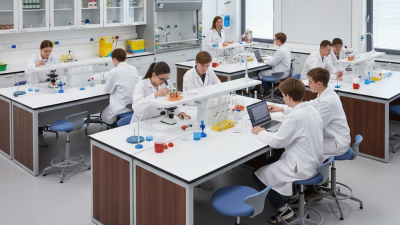
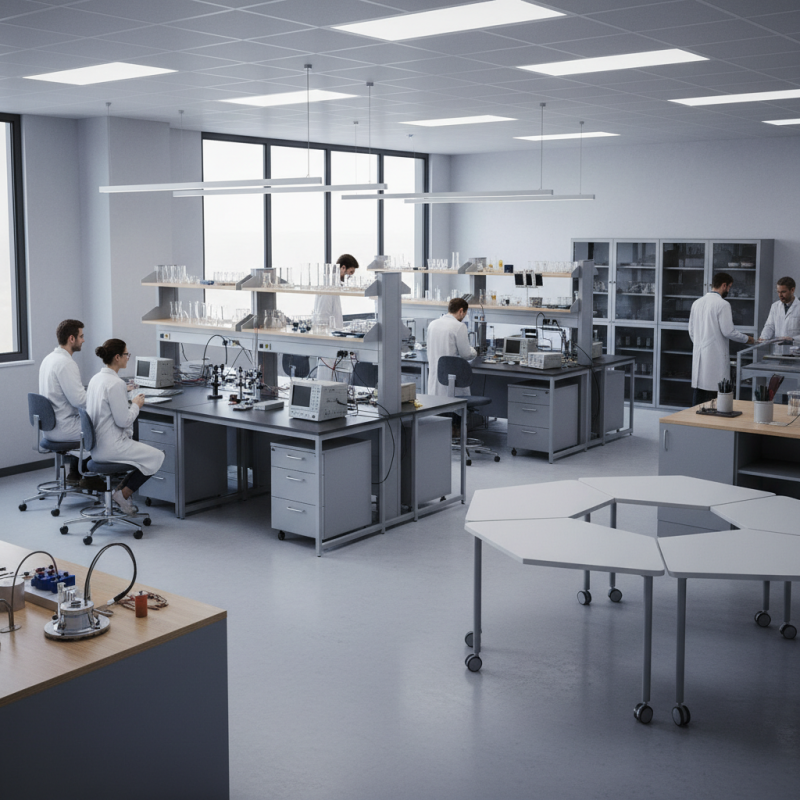
In the field of physics, where precision and functionality are key, the furniture must support various experiments and activities. For example, sturdy workbenches with adjustable heights can accommodate both standing and seated work. Collaborative spaces can be enhanced with mobile tables that allow easy rearrangement. However, not every piece of furniture fits every lab's needs, creating a challenge in decision-making.
Selecting Physics Laboratory Furniture is also about balancing aesthetics with practicality. Some labs focus on cutting-edge designs, while others prioritize durability. This can lead to a mismatch between look and functionality. As you explore options, reflect on the specific requirements of your lab. Consider how the furniture aligns with your goals and the type of research conducted. The right choices matter not just for presentation, but for creating a truly functional workspace.
Understanding Laboratory Furniture Requirements in Physics Labs
Choosing the right furniture for a physics lab involves understanding specific requirements. Physics labs often require versatile, durable, and highly functional furniture. This ensures a safe and efficient workspace for experiments that may involve sensitive equipment.
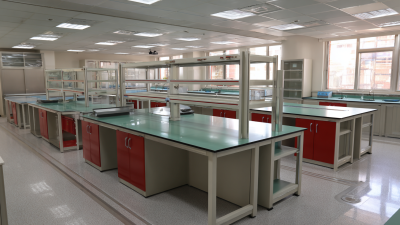
Materials play a crucial role in the selection process. Consider lab tables made from chemical-resistant surfaces. These surfaces withstand spills and harsh cleaning agents. Adjustable-height desks can cater to both standing and seated work. Think about your team's diverse needs when selecting surfaces and heights.
**Tips:** Always check if the furniture meets laboratory standards. Assess stability for heavy equipment. Safety features are essential, such as rounded edges to prevent injuries.
Storage options are equally important. Cabinets should be secure yet easily accessible. Open shelving may help with quick access to frequently used tools. However, it's crucial to maintain a balance. Clutter can undermine efficiency.
**Tips:** Opt for furniture that offers customization. Fit your lab’s unique layout with modular pieces. Regularly review your furniture to ensure it meets evolving lab needs.
How to Choose the Right Physics Laboratory Furniture for Your Lab?
| Furniture Type |
Material |
Key Features |
Typical Dimensions (LxWxH) |
Price Range (USD) |
| Workbench |
Steel, Wood |
Durable, Chemical Resistant, Adjustable Height |
72"x30"x36" |
$300 - $1,200 |
| Storage Cabinet |
Metal, Laminate |
Lockable, Adjustable Shelves, Durable Finish |
36"x18"x72" |
$200 - $800 |
| Rolling Cart |
Plastic, Metal |
Portable, Versatile Use, Easy to Clean |
24"x18"x36" |
$150 - $500 |
| Stool |
Plastic, Metal |
Ergonomic, Adjustable Height, Lightweight |
18"x18"x24"-32" |
$100 - $300 |
| Fume Hood |
Steel, Glass |
Ventilated, Safety Features, Customizable |
48"x30"x72" |
$2,000 - $6,000 |
Key Materials for Physics Laboratory Furniture and Their Properties
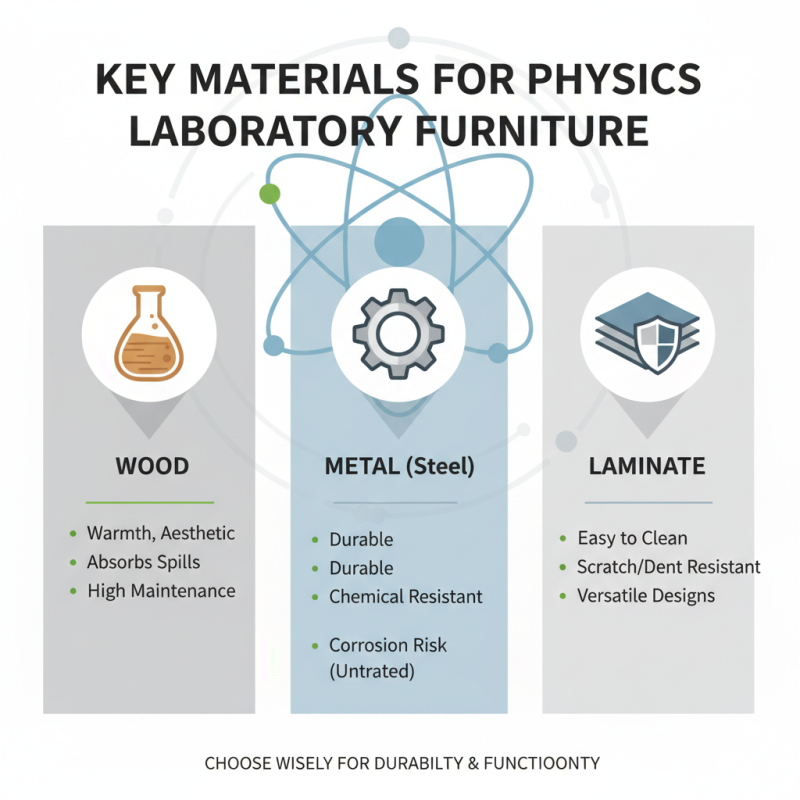
When selecting furniture for a physics laboratory, material choice is crucial. Common materials include wood, metal, and laminate. Wood provides warmth and aesthetic appeal but may absorb spills and require more maintenance. Metal, such as steel, offers durability and resistance to chemicals. However, it can be prone to corrosion if not treated properly. Laminate surfaces are popular for their ease of cleaning and variety of designs. They are less likely to scratch or dent, making them ideal for active lab environments.
The properties of these materials should match your lab's specific needs. For example, if you frequently handle corrosive substances, metal might be a better fit. On the other hand, if budget constraints are a concern, laminate might offer the perfect balance of durability and affordability. Consider the weight capacity and stability of the furniture as well. A sturdy table can support heavy equipment, while lighter pieces may move easily, causing potential disruptions.
Think about the lab's layout and workflow as well. Some materials can be heavier, limiting flexibility. Being mindful of the furniture’s ergonomic design is equally important. A well-designed workspace promotes efficiency but requires thoughtful material selection. Don't overlook the potential for wear and tear. Investing in quality materials will pay off by significantly extending the functional lifespan of your furniture.
Ergonomics in Laboratory Furniture: Enhancing Research Efficiency
In the realm of laboratory work, ergonomics plays a crucial role in enhancing research efficiency. Properly designed laboratory furniture can significantly impact scientists' performance. According to a study conducted by the Ergonomics Society, ergonomic workplace interventions can boost productivity by up to 25%. This improvement often stems from reduced physical strain and increased comfort during long hours of experimentation.
One key aspect of ergonomic design is adjustability. Workstations that allow for height adjustments cater to various user needs, promoting better posture. A report from the American Society of Safety Professionals found that 30% of lab workers experience chronic pain due to improper workstation setups. Investing in furniture that accommodates different body types can mitigate these issues and lead to enhanced focus.
Moreover, the layout of lab furniture affects workflow efficiency. A poorly arranged lab can cause unnecessary movements, hampering research progress. Research indicates that optimizing laboratory space can reduce task completion times by 15%. Thoughtful arrangements not only enhance accessibility but also encourage collaboration among researchers. While investment in ergonomic solutions requires initial costs, the long-term benefits on productivity are undeniable.
Safety Standards and Regulations for Physics Lab Furniture Selection
When selecting physics laboratory furniture, safety standards and regulations play a crucial role. Compliance with standards such as ASTM and ANSI is essential. These organizations set guidelines that ensure furniture meets safety and performance requirements. For instance, a report by the National Institute of Standards and Technology (NIST) states that suitable furniture should withstand physical impacts and prevent tipping hazards.
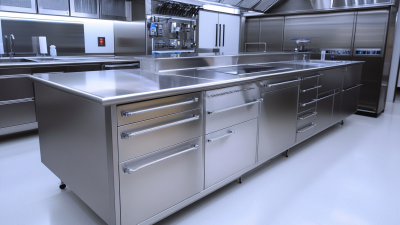
Choosing the right materials is also critical. Steel frame structures provide durability, while chemical-resistant surfaces resist spills. Consider laboratory-specific needs. For example, the Occupational Safety and Health Administration (OSHA) emphasizes the importance of non-toxic finishes. Choosing compliant furniture can enhance your lab’s safety and functionality.
Tips: Always check certificates of compliance. This ensures the furniture meets current safety standards. Regular audits can also identify potential hazards in your lab setup. Even minor deficiencies can create long-term risks. Therefore, be proactive in assessing needs. Making informed choices safeguards both the equipment and personnel.
Budgeting: Cost-Effective Solutions for Physics Laboratory Furniture
When choosing physics laboratory furniture, budgeting is crucial. Start by assessing your lab’s needs. Define what furniture types are essential. Consider desks, shelves, and storage units. These elements must withstand rigorous use. They should also facilitate easy organization of equipment and materials.
Prioritize cost-effective solutions. Research different materials; some can significantly reduce costs. For instance, metal and composite surfaces often last longer than wood options. However, they may come with a higher upfront cost. Explore used furniture or refurbished pieces. These options can save funds without compromising quality.
While you want durability, ensure ergonomic design is part of the equation. Keeping your team comfortable can improve productivity. Don’t overlook user feedback on furniture comfort. That feedback matters. Regularly review your furniture situation. If something isn't working, it’s time for adjustments. Balancing budget constraints with the right solutions is an ongoing process.
Budgeting for Physics Laboratory Furniture: Cost-Effective Solutions