How to Choose the Right Laboratory Sink for Your Lab Needs in 2025
In the rapidly evolving landscape of laboratory design, the selection of an appropriate laboratory sink is becoming increasingly critical. As we look toward 2025, researchers and lab managers must navigate a myriad of options that cater to specific needs and compliance requirements. Renowned industry expert Dr. Emily Parker, a leading voice in laboratory design, emphasizes the importance of this decision: "Choosing the right laboratory sink isn't just about functionality; it fundamentally impacts workflow and safety in the lab environment."
As laboratories become more specialized, the demand for tailored solutions in laboratory sinks has surged. With considerations ranging from material durability to ergonomic design, the right choice can significantly enhance user efficiency and maintain compliance with health and safety standards. Furthermore, advancements in technology and design are creating sinks that not only meet the practical needs of research environments but also contribute to sustainability goals by using eco-friendly materials.
Therefore, understanding the unique requirements of your laboratory is essential. This guide will explore key factors that influence the selection process of laboratory sinks, taking into account the evolving demands of scientific research and the technological innovations that are shaping the industry in the coming years. By focusing on these aspects, lab professionals can ensure their choice of laboratory sink aligns with both current functionality and future needs.

Understanding the Types of Laboratory Sinks Available in 2025
In 2025, selecting the right laboratory sink involves understanding the different types available, which are tailored to meet specific lab needs. The primary types of laboratory sinks include standard sinks, deep sinks, and utility sinks. Standard sinks are typically used for general purposes, featuring a bowl that accommodates routine tasks such as washing beakers and glassware. Research from the Laboratory Equipment Manufacturers Association indicates that about 40% of labs opt for standard sinks primarily for cost-effectiveness and versatility.
Deep sinks, on the other hand, provide extra depth to handle larger equipment or waste disposal and are particularly beneficial in chemistry or biology labs where substantial cleaning is required. According to a recent report from Lab Manager, over 30% of laboratories are upgrading to deep sinks to enhance workflow efficiency, as they allow for easier handling of bulky items and minimize splashes and mess.
Utility sinks are designed for specialized tasks, often integrated with features like built-in eyewashes or chemical containment. Industry studies show that the demand for utility sinks in research facilities has increased by 25% since 2020, reflecting a heightened focus on safety and regulatory compliance.Understanding these sink types is crucial for lab managers in 2025, ensuring they choose solutions that align with their specific operational requirements and enhance overall lab safety and efficiency.
Key Factors to Consider When Selecting a Lab Sink
When selecting a laboratory sink in 2025, several key factors must be considered to ensure it meets the unique requirements of your lab environment. The material of the sink is critical; options such as stainless steel, polypropylene, or epoxy resin each offer distinct advantages in terms of durability and chemical resistance. According to a recent industry report, stainless steel sinks can withstand temperatures as high as 500°F, making them ideal for labs that handle high-heat materials. Additionally, the chemical compatibility of the sink material should align with the substances being used in the lab—this ensures long-term functionality without the risk of degradation.
**Tips:** Always check for certifications like ANSI/ISEA and ASTM standards to ensure safety and reliability in your sink selection.
Another important consideration is the sink’s design and size. Larger sinks with deeper basins can accommodate larger equipment and provide ample space for waste disposal, while specific configurations may enhance functionality for particular tasks. Ergonomics also play a vital role; ensure that the sink height and depth align with the user’s comfort to avoid strain during prolonged use. A survey conducted by the Lab Equipment Manufacturers Association revealed that 75% of lab technicians prefer sinks that incorporate easy-access features like adjustable faucet heights or integrated draining systems.
**Tips:** Always involve end-user feedback in the selection process to maximize efficiency and satisfaction with the workspace.
Laboratory Sink Selection Criteria in 2025
Materials and Durability: Choosing the Right Sink for Your Needs
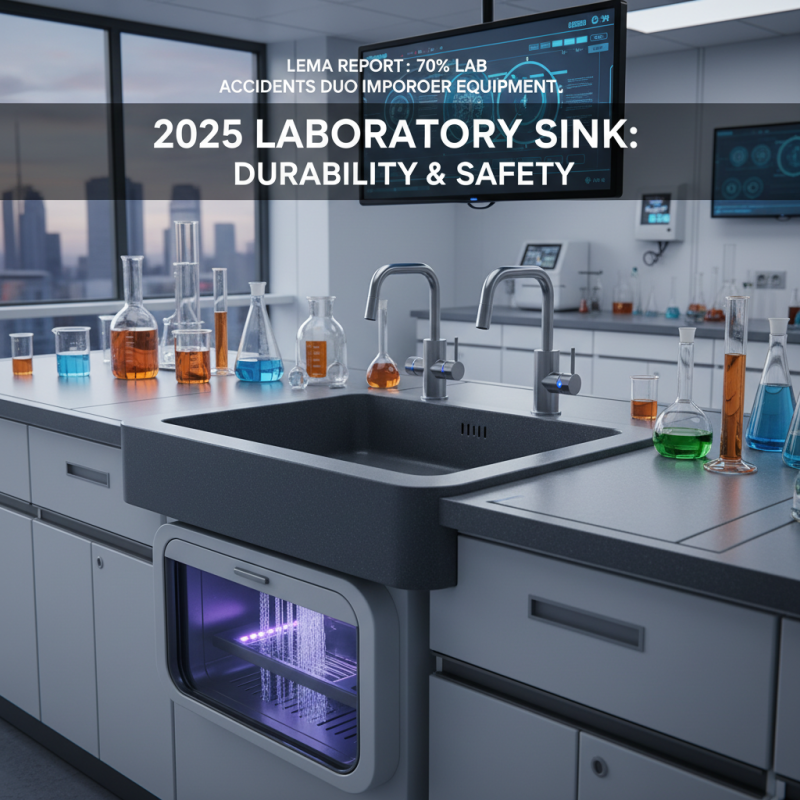
When selecting the right laboratory sink for your specific needs in 2025, the choice of materials and durability is crucial. Laboratories often face unique challenges, such as exposure to corrosive chemicals and the need for frequent cleaning. According to a report from the Laboratory Equipment Manufacturers Association (LEMA), nearly 70% of lab accidents can be attributed to improper handling and maintenance of laboratory equipment, including sinks. Therefore, choosing materials that withstand wear and tear is essential for maintaining the safety and efficiency of the workspace.
Stainless steel remains a popular choice due to its excellent resistance to corrosion and its long-lasting durability. A study published by the Journal of Environmental Health found that stainless steel sinks can exceed a lifespan of 20 years when maintained properly. Alternatively, composite materials, such as resin or polypropylene, are gaining traction due to their resistance to harsh chemicals and lower maintenance needs. A survey conducted by the American Chemical Society indicated that nearly 45% of new laboratories are leaning towards these alternative materials for their ability to withstand aggressive cleaning protocols and chemical exposure. Ultimately, the decision should consider both the laboratory environment and the specific applications to ensure longevity and safety.
Ergonomics and Design Features of Laboratory Sinks
When selecting a laboratory sink, the ergonomics and design features play a pivotal role in enhancing functionality and user experience. An ideally designed laboratory sink should accommodate various user heights and body types, promoting comfort during lengthy experiments. Features such as adjustable heights or shallow basins can help minimize strain on the back and shoulders, allowing lab personnel to work efficiently without discomfort. Furthermore, sinks with sloped surfaces or integrated drainage systems facilitate a smooth workflow by ensuring that spills and waste are easily managed, keeping the workspace clean and safe.
Design elements such as material choice and faucet placement also contribute significantly to the sink's usability. Sinks constructed from durable, chemical-resistant materials ensure longevity while maintaining hygiene standards. Additionally, strategically positioned faucets, ideally with touchless or foot-pedal options, can enhance sterile working conditions by reducing the risk of cross-contamination. Compact yet functional designs allow for optimal space utilization in tight laboratory environments, enabling scientists to maximize their workspace without sacrificing essential features. A well-considered combination of these ergonomic and design aspects not only elevates the sink's practicality but also supports the overall productivity of the lab.
Budgeting for Your Laboratory Sink: Cost Considerations and Options
When budgeting for a laboratory sink, it's crucial to consider the cost implications of various options available in the market. The price of laboratory sinks can vary significantly based on materials, size, and design features. For instance, sinks made from stainless steel tend to be more durable and resistant to chemicals, making them a popular choice for many laboratories, though they may come at a higher price point than plastic alternatives. It's essential to balance durability and cost, ensuring that the long-term benefits justify the initial investment.
Additionally, identifying the specific needs of your lab can help streamline your decision-making process. Factors such as the sink's intended use, the frequency of use, and potential wear and tear should influence your choice. Customizable options like integrated splashback or ergonomic designs may also affect prices but could enhance efficiency and safety in the lab environment. Ultimately, evaluating the total cost of ownership, including maintenance and replacement factors, can lead to a more informed purchase that aligns with your laboratory's budgetary constraints.