How to Choose the Right Laboratory Hood for Your Needs?
Selecting the right Laboratory Hood is crucial for ensuring safety and efficiency in a lab environment. A Laboratory Hood serves as a protective barrier, preventing exposure to hazardous chemicals and fumes. It is not just a piece of equipment; it is an essential component in many laboratory settings.
When choosing a Laboratory Hood, various factors come into play. You must consider the size, airflow, and type that best suits your needs. Some hoods are designed for fume containment, while others focus on providing a sterile work environment. The materials used can greatly impact durability and safety.
It is easy to overlook important details in this selection process. Think about the specific chemicals you often use. Reflect on the layout of your workspace. Sometimes, the best choice may not be the most expensive option. Assess your lab’s unique requirements to make an informed decision.
Factors to Consider When Selecting a Laboratory Hood
Choosing the right laboratory hood is crucial for safety and efficiency. There are several key factors to consider. First, the type of work being conducted in the lab directly affects hood selection. For example, a hood for chemical fume extraction differs from one for biological safety. The right type ensures maximum protection and functionality.
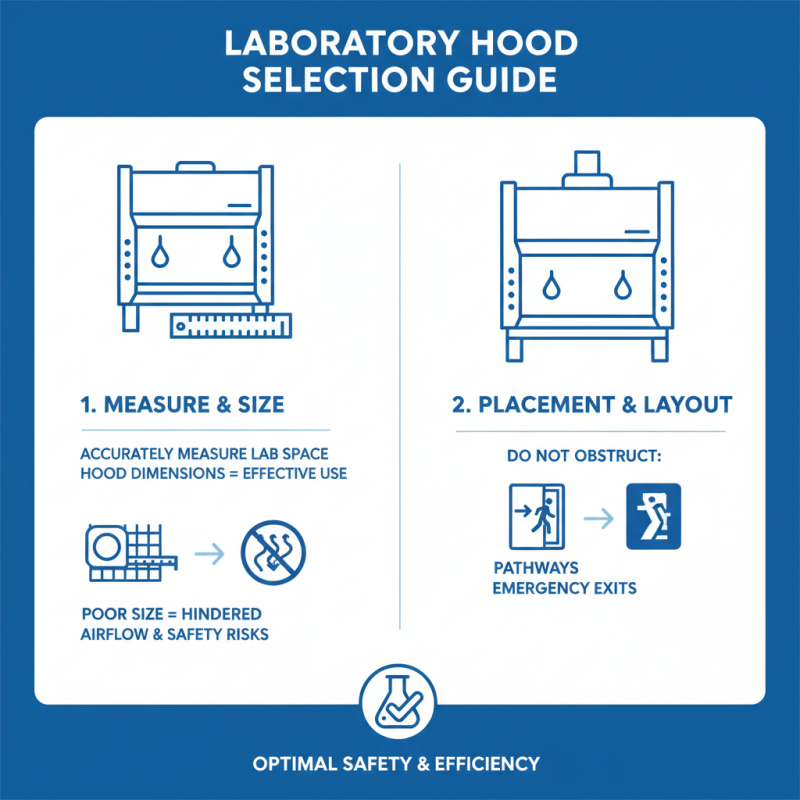
Airflow is another vital aspect. The average airflow speed in hoods should be between 100 to 120 feet per minute, as recommended by industry reports. Insufficient airflow can lead to contamination. Additionally, assessing the size of the hood is important. It should fit your workspace without compromise. Smaller hoods may not provide adequate ventilation for larger setups.
Material and design impact longevity and maintenance. Hoods made from corrosive-resistant materials last longer under chemical exposure. Regular maintenance is often neglected, yet it is essential to ensure optimal performance. A 2021 survey indicated that 30% of lab personnel do not conduct regular checks, which heightens risks. Being aware of these factors can lead to more informed choices in laboratory safety.
How to Choose the Right Laboratory Hood for Your Needs? - Factors to Consider When Selecting a Laboratory Hood
| Factor |
Considerations |
Recommended Type |
| Airflow Type |
Determine if you need constant or variable airflow to manage fumes. |
Filtered or ducted fume hoods |
| Size |
Assess the space available and the size of equipment to be used. |
Standard, compact, or enlarged models |
| Material |
Choose materials that resist chemicals and are easy to clean. |
Epoxy resin, stainless steel |
| Use Case |
Identify if the hood is for chemistry, biology, or a general lab setting. |
Biological safety cabinet, chemical fume hood |
| Budget |
Evaluate the total cost including installation and maintenance. |
Cost-effective models or high-end options |
| Noise Level |
Consider the noise generated, especially in quiet environments. |
Low-noise models |
Types of Laboratory Hoods and Their Specific Applications
When selecting a laboratory hood, understanding the types is crucial. Chemical fume hoods are designed for handling hazardous chemicals. They protect users by ventilating harmful fumes away. These hoods have adjustable airflow, which is essential for ensuring safety. It's vital to maintain proper airflow rates. Inadequate ventilation can lead to dangerous exposure.
Biological safety cabinets, on the other hand, focus on containing biological agents. They use HEPA filters to trap pathogens. These cabinets are suitable for working with infectious materials. However, users must ensure that the filters are regularly checked. Neglecting maintenance can compromise safety.
Another type is the laminar flow hood. It provides a sterile environment, ideal for microbiological work. It protects samples from contamination but offers no protection for users. Choosing the right type depends on the specific experiments. It's easy to overlook the necessary safety features when in a rush to set up a lab. Taking time to reflect on your needs can lead to better decisions.
Different Types of Laboratory Hoods and Their Applications
Key Safety Features to Look for in Laboratory Hoods
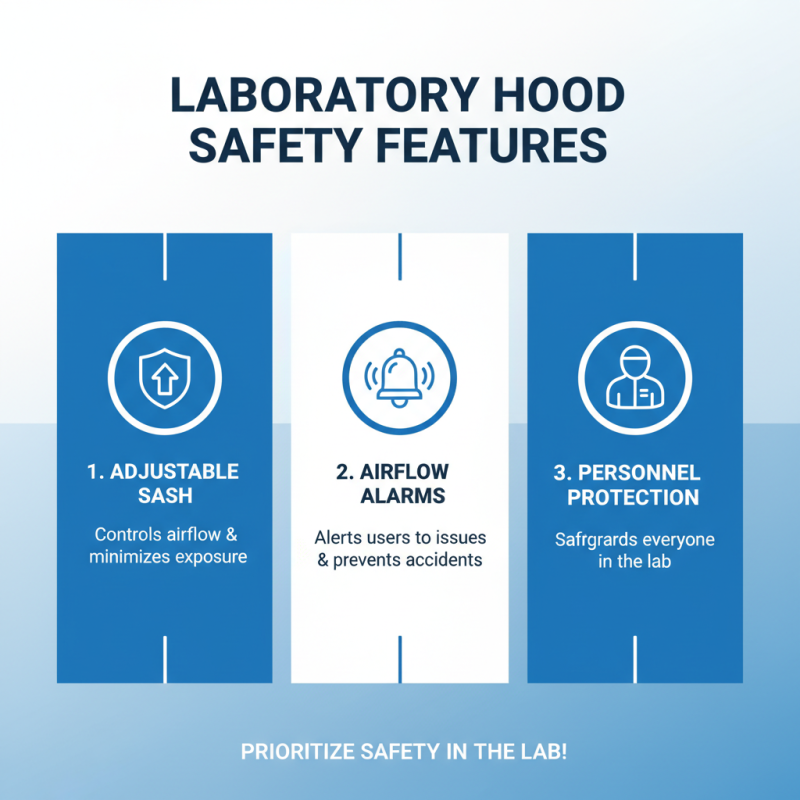
When selecting a laboratory hood, safety features should be a top priority. A sash that can be adjusted is crucial. It helps control airflow and minimize exposure to hazardous substances. Look for hoods with alarms that alert users about airflow issues. These alerts can prevent accidents, protecting everyone in the lab.
Another important feature is the type of ventilation system. The hood should have a proper exhaust system to ensure efficient removal of harmful vapors. Some hoods come with built-in filters. These filters help in improving air quality. However, they require regular maintenance. It’s important to consider the frequency of this maintenance.
Also, consider the size and design of the hood. A poorly designed hood can lead to turbulence and ineffective ventilation. Trust your instincts. If something feels off, investigate further. Don't overlook any detail. Small features might save lives. Reflect on your unique lab environment. Your needs will guide you to the right choice.
Budgeting for Your Laboratory Hood Purchase and Installation Costs
When budgeting for a laboratory hood, various factors come into play. Installation costs can vary greatly depending on the unit's complexity. According to recent industry reports, basic installation may range from $2,000 to $10,000. These costs can escalate based on the specific requirements of your workspace. Proper planning is crucial. Unforeseen expenses may derail your budget.
It's also important to consider operational costs over time. For instance, energy consumption can add up. Some hoods consume up to 5,000 kWh annually. If your laboratory operates continuously, this could translate to hundreds of dollars monthly. You may also need to account for maintenance. Regular checks and replacements can reach $1,000 each year. The ideal budget should feature all these elements.
Don't forget about safety regulations. Compliance can require additional investments. Depending on your location, this could involve costly inspections or modifications. The right hood means not just choosing a design but considering long-term financial impacts. Ensure your budget reflects both initial and ongoing costs.