How to Choose the Best Physics Lab Furniture for Your Needs?
Choosing the right Physics Lab Furniture is crucial for any educational or research institution. The proper setup can enhance both safety and productivity. According to a report by the American Laboratory Furniture Association, nearly 70% of lab accidents occur due to improper furniture choice. This statistic highlights the need for thoughtful planning when selecting lab furniture.
Dr. Emily Carter, a leading expert in laboratory design, states, "The right furniture not only supports experiments but also fosters a culture of safety." This perspective is essential for lab managers and educators. They must consider durability and ergonomics. Lab furniture should accommodate diverse experiments while ensuring comfort for researchers.
However, many institutions overlook this aspect. They often choose aesthetics over functionality. As a result, performance may decline, leading to frustration among students and staff. It's time to reflect on these decisions and prioritize the well-being of those who use Physics Lab Furniture daily.
Understanding the Importance of Choosing the Right Physics Lab Furniture
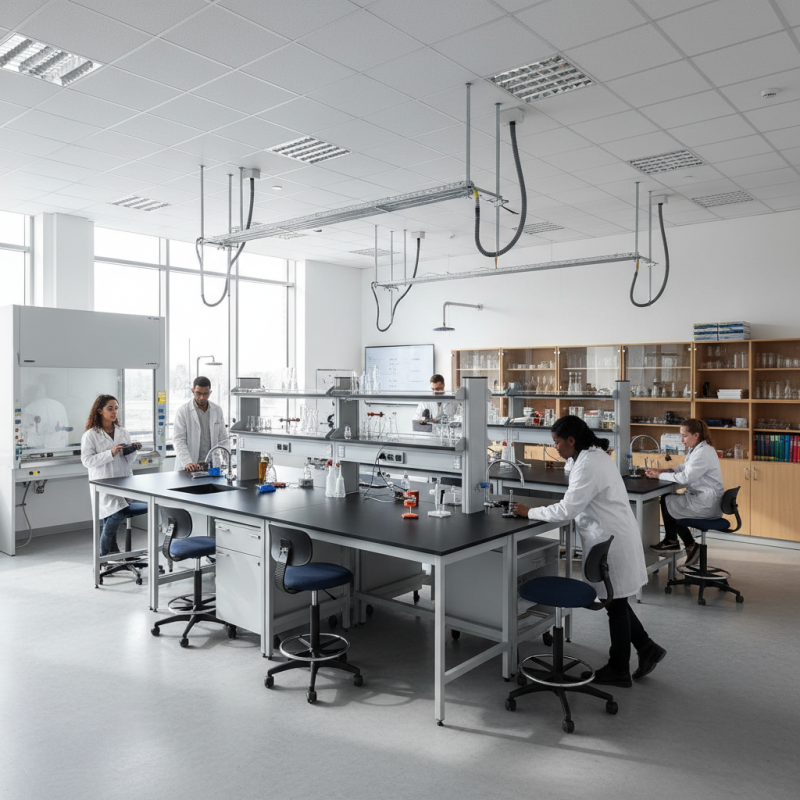
Choosing the right physics lab furniture is crucial for effective learning and research. Proper furniture enhances productivity and safety in the lab environment. Imagine a space crowded with mismatched tables and chairs. It can create chaos. Instead, well-designed furniture promotes organization. Students can focus better when their workspace is efficient.
Safety should be a primary concern when selecting lab furniture. It’s easy to overlook this aspect. However, improperly designed furniture can lead to accidents. For instance, unstable lab tables can contribute to spills or equipment damage. Consider tables with secure surfaces and storage solutions for hazardous materials. Thoughtful choices can significantly reduce risks.
Comfort is another important factor. Furniture should support long hours of work. Uncomfortable seating can cause fatigue. It can affect concentration. Trying out different options is vital. Ask for feedback from lab users. Everyone has different needs. A thoughtful approach to selecting lab furniture can transform the learning experience. It’s worth taking the time to get it right.
Assessing Your Space: Dimensions and Layout Considerations for Lab Furniture
When assessing your space for physics lab furniture, dimensions and layout are critical. The National Institute of Standards and Technology (NIST) suggests that lab size should influence your furniture choice. A lab with 1,000 square feet might need different setups than one with 500 square feet.
Consider your workflow. Do you need areas for experiments and storage? According to a 2022 lab design report, 70% of respondents found workflow efficiency improved with careful layout planning. A cramped space can become chaotic, which isn’t ideal for safety or productivity. Open areas for movement and designated zones can reduce clutter.
Be mindful of future needs. Laboratories often evolve. An initial setup three years ago may not fit current demands. Flexible furniture helps accommodate changing layouts. Research suggests that adaptable lab environments boost collaboration by 40%. Reflection on your current and future needs can significantly enhance your lab's effectiveness.
Materials and Durability: Selecting Long-lasting Furniture for Physics Labs
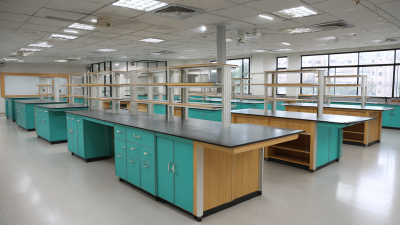
When selecting furniture for a physics lab, durability is critical. You want materials that withstand daily wear and tear. Look for surfaces that resist scratches and chemicals. Stainless steel is a good option for lab benches. It offers strength and cleanliness. Wood might be appealing but can warp and stain easily.
Consider how furniture will be used. Equipment like centrifuges and spectrometers may require stable, sturdy tables. Lightweight furniture is easy to move but may not provide the support needed for heavy tools. A balance is necessary.
Reflect on the lab environment. If students are collaborating, tables should allow for group work. This means considering height and layout. However, the more versatile the furniture, the more challenging it may be to maintain. Think about your needs carefully. The right choice can transform your space.
Budgeting: How to Balance Cost and Quality in Lab Furniture Selection
When selecting lab furniture, budgeting is critical. It’s essential to strike a balance between cost and quality. You may find low-cost items, but they might not meet safety or durability standards. Research is necessary.
Tips: Prioritize essential items first. Spend wisely on high-usage furniture. Look for multi-functional pieces. They save space and money.
Consider your lab’s specific needs. If you work with heavy equipment, sturdier tables are a must. They may cost more but ensure long-term safety. Cheap options might break easily, leading to potential injuries.
Tips: Assess your workspace before shopping. Measure available space and item dimensions. Be realistic about your budget while keeping future needs in mind.
How to Choose the Best Physics Lab Furniture for Your Needs? - Budgeting: How to Balance Cost and Quality in Lab Furniture Selection
| Furniture Type |
Material |
Cost (USD) |
Durability Rating |
Recommended Use |
| Lab Bench |
Steel & Laminate |
$450 |
4/5 |
Chemistry & Physics Labs |
| Fume Hood |
PP & Steel |
$1200 |
5/5 |
Chemical Handling |
| Storage Cabinet |
Metal |
$300 |
4/5 |
General Storage |
| Lab Stool |
Plastic & Metal |
$150 |
3/5 |
Seating for Labs |
| Workstation |
Wood & Steel |
$800 |
4/5 |
Research Stations |