How to Choose the Right Laboratory Faucet for Your Needs?
Choosing the right laboratory faucet is vital for any lab's efficiency. Dr. Emily Thompson, a leading expert in laboratory design, emphasizes, "The right faucet can make daily tasks smoother and safer." Many overlook this crucial piece of equipment.
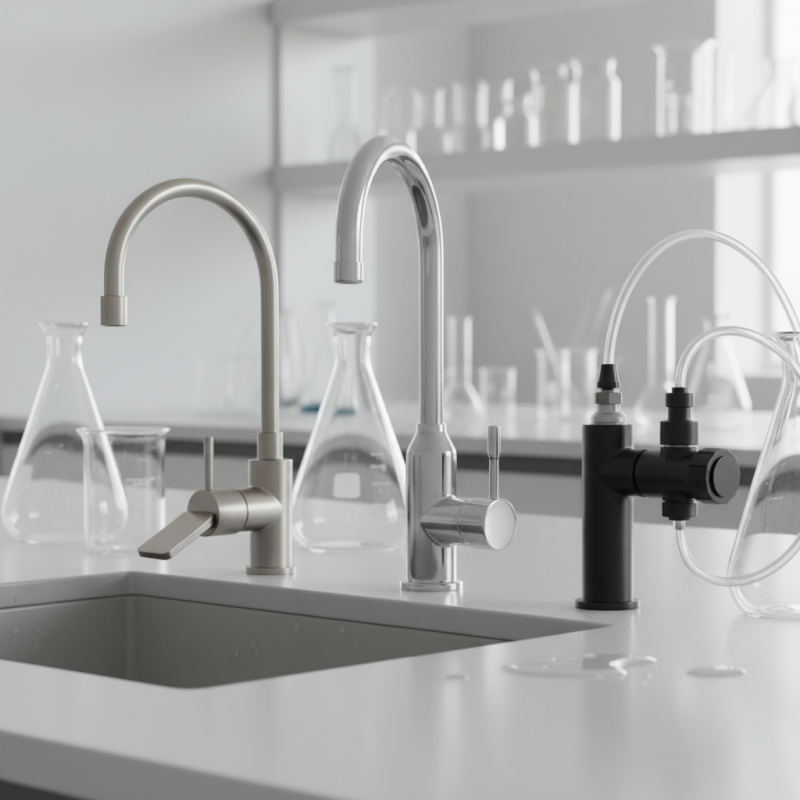
Laboratory faucets come in various styles and functionalities. A good faucet should match your specific needs. Consider the tasks performed in your lab. Do you require a standard faucet, or does your work call for specialized features?
It's also essential to think about installation and maintenance. Some models require more effort to keep in top condition. Ultimately, selecting the right laboratory faucet is a decision that deserves your careful attention. Reflect on the choices available and their impact on your work environment.
Types of Laboratory Faucets: Understanding Your Options
When selecting a laboratory faucet, it's essential to understand the different types available.
Wall-mounted faucets are a popular choice. They save counter space and allow for easy access. However, installation can be challenging. If the plumbing is not set up correctly, it can lead to leaks.
Another option is countertop faucets. These are straightforward to install and can fit a variety of sink sizes. They allow for higher flexibility in positioning. Yet, they might take up valuable workspace, especially in smaller labs. Also, the faucet height matters. It should accommodate larger containers. A tall faucet can cause splashing, which is something to consider.
Deck-mounted faucets are also available. These styles provide a traditional aesthetic and are easy to use. Still, they may not suit every laboratory's design. It's crucial to assess the space before deciding. Users often overlook the type of materials used in construction. Metal finishes might corrode over time, while plastic can be less durable. Balancing functionality and design requires careful thought and planning.
Key Features to Consider When Selecting a Laboratory Faucet
When selecting a laboratory faucet, consider several key features that can enhance your workspace's functionality. One essential aspect to look for is the material. Opt for corrosion-resistant materials, as they ensure durability. Stainless steel is common, but you might also explore brass or certain plastics. Each material has its pros and cons based on your laboratory's needs and budget.
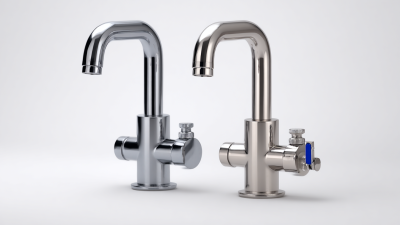
Another critical feature is the type of handle. Some faucets come with single handles while others have dual handles. Single handles are more user-friendly, especially when working with gloved hands. A lever-style handle can also be easier to operate than traditional knobs. Assess your workspace flow and choose a handle that complements it.
**Tips:** Ensure water temperature controls are precise. Temperature variance can disrupt experiments. Install a faucet with a high flow rate for efficient water delivery. This saves time during routine tasks. Remember, your faucet should be easy to clean. A complex design might look appealing but can collect grime and be hard to maintain. Look for functionality over aesthetics.
Materials and Durability: What to Look for in a Faucet
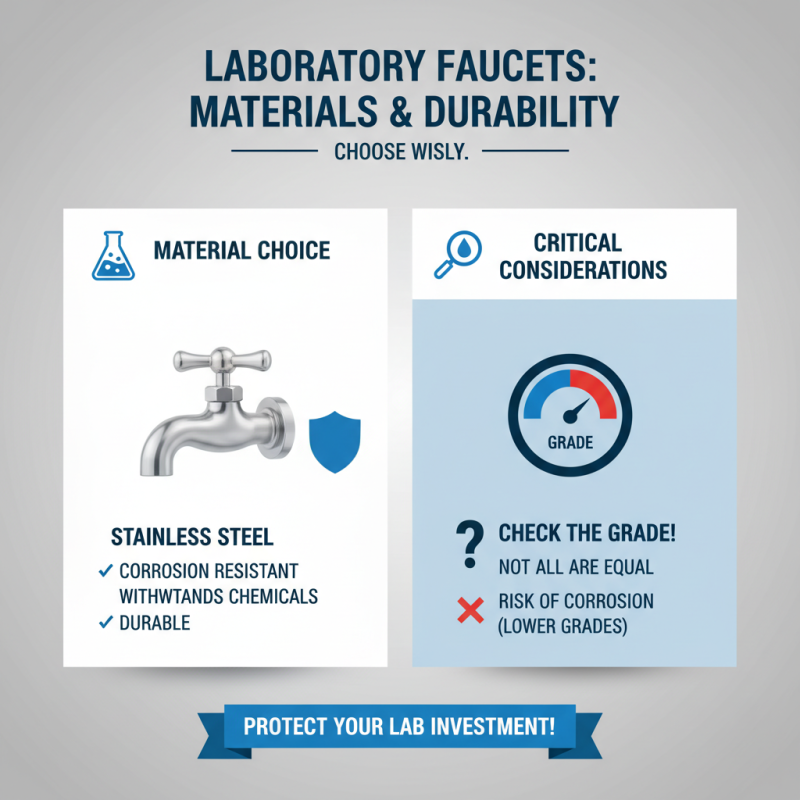
Choosing the right laboratory faucet requires careful consideration of materials and durability. Stainless steel is often favored for its corrosion resistance. It withstands harsh chemicals and daily wear. However, it's essential to check the grade of stainless steel. Not all are created equal; some can corrode over time.
Another popular material is brass, known for its sturdiness. But it can tarnish if not maintained. This requires regular cleaning to prevent buildup. Additionally, some brass faucets have a protective coating. This can prolong their life but might wear off eventually. Ensure you know what you're getting.
When evaluating durability, look closely at the faucet's design. A solid build with a good weight indicates quality. Lightweight faucets may seem convenient, but they often lack longevity. Pay attention to the joint and handle mechanisms as well. A faulty handle can lead to leaks and frustration. Always consider long-term use, balancing aesthetics with functionality.
Installation Requirements and Compatibility with Lab Sinks
When selecting a laboratory faucet, understanding installation requirements and compatibility with lab sinks is crucial. Typically, there are two main configurations for faucets: deck-mounted and wall-mounted. Deck-mounted faucets fit directly onto the countertop, while wall-mounted options connect to the wall above the sink. According to a recent industry report, about 58% of labs prefer deck-mounted faucets for ease of access.
The size and configuration of the sink heavily influence the choice of faucet. Standard lab sinks often come in 20x20 inch dimensions, so the faucet height and reach must be appropriate. Ideally, a faucet should extend over the sink to provide adequate space for various tasks. A usability study indicated that 72% of lab users report better workflow with a faucet designed for their sink’s specific size.
Consider the plumbing connections as well. Ensure the faucet's connections align with sink plumbing standards. Incompatible fittings can complicate installation and lead to potential leaks. Reports suggest that about 30% of installation challenges stem from incorrect sizing or mismatched connections. Therefore, always double-check before making a purchase.
How to Choose the Right Laboratory Faucet for Your Needs?
| Faucet Type |
Material |
Installation Requirements |
Compatibility with Lab Sinks |
Recommended Uses |
| Standard Faucet |
Brass |
Requires basic plumbing skills |
Most laboratory sinks |
General lab use |
| Pre-Rinse Faucet |
Stainless Steel |
Requires advanced plumbing knowledge |
High-end lab sinks |
Pre-cleaning tasks |
| Regulator Faucet |
Plastic |
Simple installation with no special tools |
Designed for specialized sinks |
Chemical handling |
| Gooseneck Faucet |
Bronze |
Standard installation procedures |
Most laboratory sink designs |
Washing large equipment |
Budget Considerations: Finding the Right Faucet within Your Price Range
When selecting a laboratory faucet, budget plays a vital role. Faucets range widely in price. It's essential to find one that meets your functional needs without overspending. Researching options can help define your price range. You might find decent faucets that fit within your budget. Don't rush this decision.
Tip: Consider the materials used. Higher quality materials may come with a higher price tag. Look for durable options that promise longevity. It can save money in the long run.
Another factor is installation costs. You may need professional help, adding to your total. Some faucets are easier to install than others. Check if the faucet comes with installation guidelines. This can give you a clearer picture of potential costs.
Tip: Always check for warranties. A good warranty can provide peace of mind. It ensures you are covered if issues arise later. Factor this into your overall budget. The most expensive faucet might not be the best choice.
In the end, balance quality and budget carefully. Make a list of must-haves versus nice-to-haves. This helps avoid impulsive choices. Reflect on your priorities before making a purchase.