Why Choose Lab Desk Solutions for Your Lab Needs?
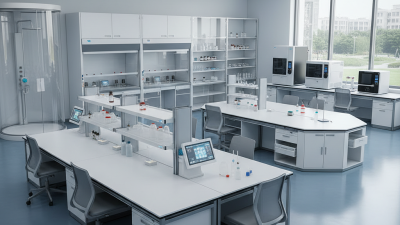
In today's fast-paced scientific environment, having the right Lab Desk is essential. A Lab Desk is not just a piece of furniture; it is a workstation that supports efficiency and research quality. With proper design and materials, Lab Desks enhance productivity in any laboratory setting.
Selecting the right Lab Desk can be overwhelming. There are many options available, each with unique features. Should you choose one with built-in storage or prioritize a spacious surface? The decision often hinges on specific lab needs. Research shows that a well-organized workspace leads to better results. Yet, many labs overlook the importance of desk ergonomics. This can affect researchers’ comfort and productivity.
Investing in Lab Desk solutions is vital for any modern laboratory. They provide not only practical benefits but also contribute to a positive work environment. A thoughtful Lab Desk design can inspire creativity and innovation. Making informed choices empowers labs to meet their full potential. Ultimately, the right Lab Desk can make a significant difference. Reflecting on your lab's current setup may reveal areas for improvement.
Benefits of Customized Lab Desks for Enhanced Workflow Efficiency
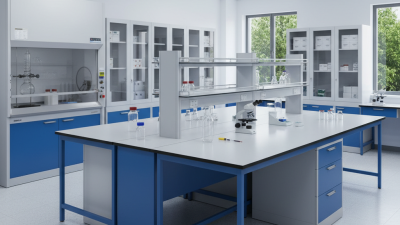
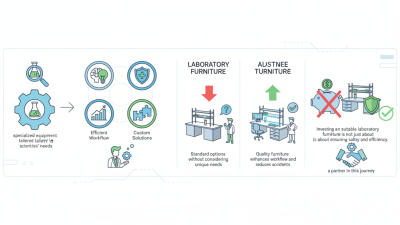
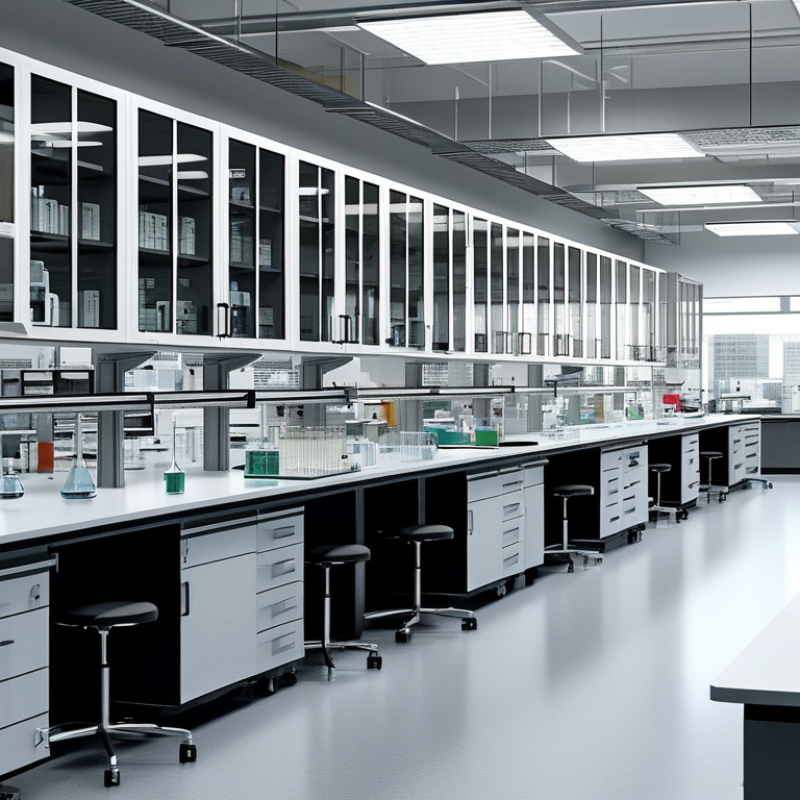
Customized lab desks play a crucial role in enhancing workflow efficiency. These desks address the diverse needs of laboratory environments. Each lab has unique requirements, from space constraints to specific equipment needs. A well-designed desk can streamline processes and improve productivity.
Consider the layout of a typical lab. Cluttered workspaces can lead to frustration and delays. Customized solutions allow for ergonomic designs, supplying easy access to tools and materials. This can minimize unnecessary movements and reduce strain on personnel. A tailored desk arrangement promotes a clear and organized workflow.
Reflecting on past lab setups reveals common pitfalls. Many labs use generic designs, which often lead to inefficiency. Lack of tailored features can hinder collaboration and slow down experiments. It’s essential to rethink these setups to maximize efficiency and ensure a smooth operational flow. Custom solutions provide the flexibility needed for evolving lab tasks and technology.
Industry Statistics on Ergonomics and Productivity in Laboratory Settings
Laboratory settings are essential for scientific advancements. However, many labs still overlook ergonomics. Industry statistics reveal that 60% of lab workers experience discomfort due to poor workstation design. This discomfort can lead to reduced productivity and increased error rates. Employees often work long hours at benches that do not support their posture. As a result, fatigue becomes inevitable, affecting both morale and efficiency.
Research indicates that implementing ergonomic solutions can significantly enhance performance. Labs that prioritize ergonomic designs report a 25% increase in productivity. Simple adjustments, such as adjustable tables and supportive seating, can make a profound difference. Workers who feel comfortable and supported are more likely to focus and perform well.
Despite this knowledge, many facilities remain resistant to change. Budget constraints and a lack of awareness often hinder improvements. Nonetheless, the potential benefits far outweigh these concerns. Investing in ergonomic lab furniture can foster a safer, more productive environment. Observing how colleagues adapt to ergonomic changes can spur reflection on necessary improvements.
Comparative Analysis of Lab Desk Materials: Durability and Cost Efficiency
When selecting lab desk materials, two critical factors arise: durability and cost efficiency. According to a report by the National Institutes of Health, laboratories often face a high turnover of equipment due to wear and tear. Desks made from high-pressure laminate (HPL) can last 10-15 years under regular use, significantly outpacing lower-quality materials. Higher durability means fewer replacements, translating to cost savings over time.
However, the initial investment in durable materials can be daunting. A study from the Laboratory Equipment Manufacturers Association notes that while premium materials like stainless steel are more expensive upfront, their longevity often leads to a lower total lifetime cost. This is particularly relevant in environments where equipment is frequently moved or exposed to harsh chemicals.
The choice of material also influences safety and aesthetics. For instance, epoxy resin desktops are not only resistant to chemical spills but also present a professional appearance. Yet, finding the right balance between cost and functionality is not straightforward. Many laboratories discover after years of using cheaper options that they incur higher expenses on replacements and repairs. Understanding these nuances can guide labs to make more informed decisions about their workspace.
Innovative Features of Modern Lab Desk Solutions for Diverse Applications
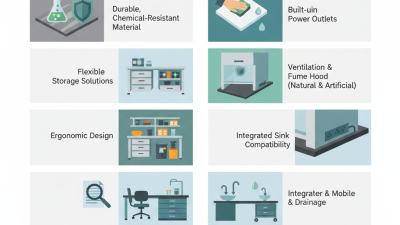
Modern lab desk solutions are designed to meet diverse needs, enhancing efficiency and productivity. With advancements in technology, many desks feature adjustable heights and integrated power sources. A report from the Lab Furniture Market indicates that ergonomic designs can improve user comfort by 30%.
Tip: Consider how ergonomic features can reduce fatigue during long study hours. A well-structured workspace directly influences your results. The right desk allows for better organization, which is crucial in time-sensitive environments.
Additionally, lab desks now incorporate advanced material science. Durable surfaces resist chemical spills and scratches. According to industry studies, desks with anti-microbial finishes can reduce contamination risks by up to 20%. It's essential to weigh the benefits of such materials against budget constraints.
Tip: Assess the specific demands of your lab when choosing materials. This can lead to long-term savings and improved safety measures. Flexibility in design can accommodate changing workflows, but consider whether your current setup meets future needs.
Importance of Compliance with Safety Standards in Lab Desk Design
Laboratories require strict adherence to safety standards in their design, especially when it comes to lab desks. Research shows that approximately 60% of lab accidents occur due to equipment malfunction or poor ergonomic design. Ensuring that lab desks are compliant with safety regulations can significantly reduce these incidents and promote a safer working environment.
Modern lab desks must be built with specific materials that can withstand chemicals and high usage. According to the American National Standards Institute (ANSI), lab furniture should meet specific criteria for durability and safety. For example, desks designed for chemical labs should resist acids, bases, and solvents. However, many facilities overlook this, leading to costly accidents and safety violations.
Monitoring compliance with safety standards can be challenging. Regular inspections and updated training for employees are often neglected. Data indicates that 30% of lab employees have insufficient knowledge of safety protocols, which adds risk. A lab desk solution that prioritizes safety features can empower users and foster a culture of awareness. Investing in compliant designs is not just a matter of legal adherence—it is integral to the lab's overall functionality and safety.