How to Choose the Best School Lab Furniture for Your Educational Needs?
Choosing the right School Lab Furniture is crucial for enhancing educational experiences. A well-equipped lab can inspire students and promote active learning. Recent studies indicate that effective lab environments significantly improve student engagement by up to 30%.
Renowned expert Dr. Emily Chang notes, “Investing in quality lab furniture transforms educational spaces, making them more functional and inviting.” This highlights the importance of selecting furniture that not only meets safety standards but also fosters collaboration.
While many schools aim for modern designs, functionality often gets overlooked. The balance between aesthetics and utility is essential. Flimsy tables may not withstand rigorous use; inadequate storage can lead to disorganization. Therefore, careful consideration of the specific needs of your educational institution is vital for the ideal setup.
Understanding the Importance of School Lab Furniture in Education
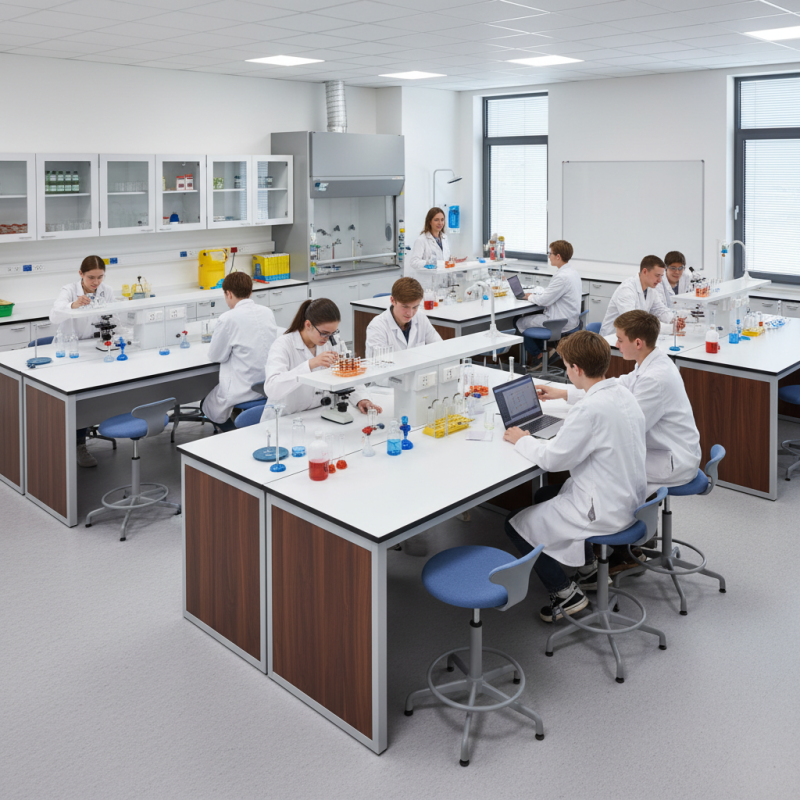
School lab furniture plays a crucial role in fostering an effective learning environment. Properly designed tables, chairs, and storage units can significantly enhance students’ engagement in hands-on activities. When students have access to sturdy surfaces and organized spaces, they feel more prepared to explore and innovate.
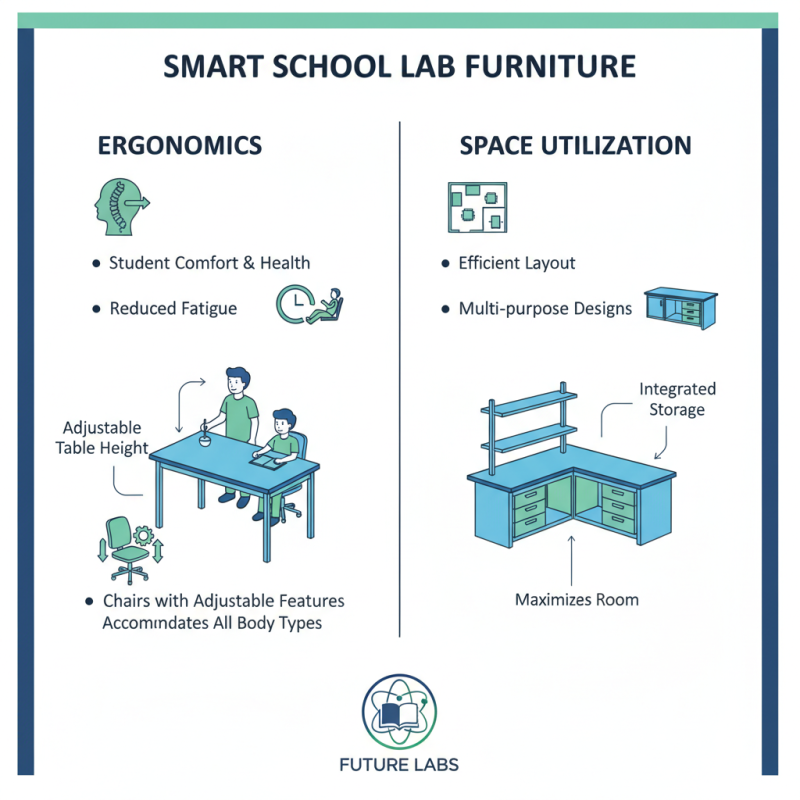
In a school lab, safety and functionality must go hand-in-hand. Lab stools should be adjustable for different heights, while tables need to accommodate various experiments. The arrangement requires careful thought. A cramped space can lead to accidents and limit interaction. When furniture is not optimal, it becomes a barrier to learning. Students may struggle to collaborate effectively, impacting their educational experience.
Selecting the right lab furniture also reflects institutional values. Investing in quality materials demonstrates a commitment to education. However, the financial aspect often raises concerns. Schools may prioritize cost over quality. This can create challenges in long-term sustainability. Reflecting on these choices is essential for future improvement.
Identifying the Specific Needs of Your Educational Institution
Identifying the specific needs of your educational institution is crucial when choosing school lab furniture. According to a report by the National Science Teachers Association, 70% of educators believe that appropriate lab environments enhance student engagement. This highlights the importance of assessing your space and how it will be used. Consider the type of experiments conducted and the age group of students. Younger students may need more durable and versatile furniture, while advanced courses might require specialized setups.
Surveys indicate that 40% of science teachers feel their labs lack adequate storage. This can lead to clutter and reduced productivity. A well-designed lab with sufficient storage can improve organization and safety. Equipped labs are essential for effective learning. Additionally, furniture should promote collaboration. Group work is vital for fostering teamwork and communication skills among students. If the furniture does not facilitate this, the learning experience may suffer. It’s clear that understanding your institution's needs goes beyond aesthetics; it directly affects educational outcomes. Evaluating these factors ensures that you select the right lab furniture aligned with your institution’s goals.
How to Choose the Best School Lab Furniture for Your Educational Needs?
| Furniture Type |
Material |
Durability |
Safety Features |
Customization Options |
Price Range |
| Lab Tables |
Laminate |
High |
Chemical Resistant |
Yes |
$200 - $500 |
| Lab Stools |
Plastic |
Moderate |
Stable Base |
Limited |
$50 - $150 |
| Storage Cabinets |
Steel |
Very High |
Lockable |
Yes |
$300 - $600 |
| Fume Hoods |
Fiberglass |
High |
Airflow Controls |
Yes |
$1000 - $3000 |
| Instrument Shelves |
Wood |
High |
Non-Toxic Finish |
Yes |
$150 - $400 |
Evaluating Material Durability and Safety Standards for Lab Furniture
When choosing school lab furniture,
material durability and safety standards are crucial. Lab furniture must withstand daily use.
Sturdy materials like steel and high-density wood are common choices.
They resist wear and tear effectively. However, not all materials are created equal. Some may chip,
crack, or warp over time. This can lead to safety hazards. Schools should examine the expected life of the materials
before making a purchase.
Safety is another major consideration. Furniture in laboratories must meet specific safety standards.
This includes fire resistance and resistance to chemical spills. You should look for certifications that
indicate compliance with safety regulations. Many materials can be safe under normal conditions but may become
hazardous under stress. It's essential to think critically about the environment in which the furniture will be used.
Additionally, proper maintenance plays a role in durability and safety.
Regular checks can help identify wear patterns. Sometimes, furniture that seemed ideal at first may not hold up
over time. Reflecting on the long-term implications of your choices is necessary. While aesthetics are significant,
functionality and safety must take precedence, especially in an educational setting.
Budgeting and Sourcing Options for Quality Lab Furniture
When budgeting for school lab furniture, it’s crucial to consider both quality and cost. High-quality furniture ensures 安全性 and durability. Yet, it can come with a hefty price tag. Balancing these factors can be challenging.
Explore various sourcing options such as local suppliers or online marketplaces. Compare prices and shipping costs. Sometimes, the least expensive option isn’t the best deal. Look for reviews or testimonials before making decisions.
Tips for budgeting include setting a clear limit and prioritizing necessary items. If funds are tight, consider used options. They can offer significant savings. However, ensure that they meet safety standards. Investing time upfront can lead to better outcomes later.