How to Choose the Best Laboratory Bench for Your Research Needs in 2025
Choosing the right laboratory bench is a critical decision that can significantly influence the efficiency and effectiveness of research in any scientific setting. As we move into 2025, advancements in technology and changes in laboratory practices necessitate a careful evaluation of what a modern laboratory bench should offer. This essential piece of equipment is not merely a surface to work on; it can enhance workflow, support various research methodologies, and ensure the safety and comfort of researchers.
In a diverse landscape of scientific exploration, the requirements for laboratory benches are evolving. Researchers must consider factors such as ergonomics, material durability, adaptability to various applications, and integration with modern laboratory equipment. Moreover, the rapid pace of innovation means that the laboratory bench of today may not suffice for the challenges of tomorrow. Thus, understanding the critical features and selecting a bench that aligns with specific research goals will be paramount for any well-functioning laboratory.
As we delve deeper into this guide, we will explore the essential criteria to guide your selection of the best laboratory bench for your unique research needs in 2025. Emphasizing customization, safety, and technological integration, this discussion will assist researchers in making informed decisions that will optimize their working environment and, ultimately, their outcomes.
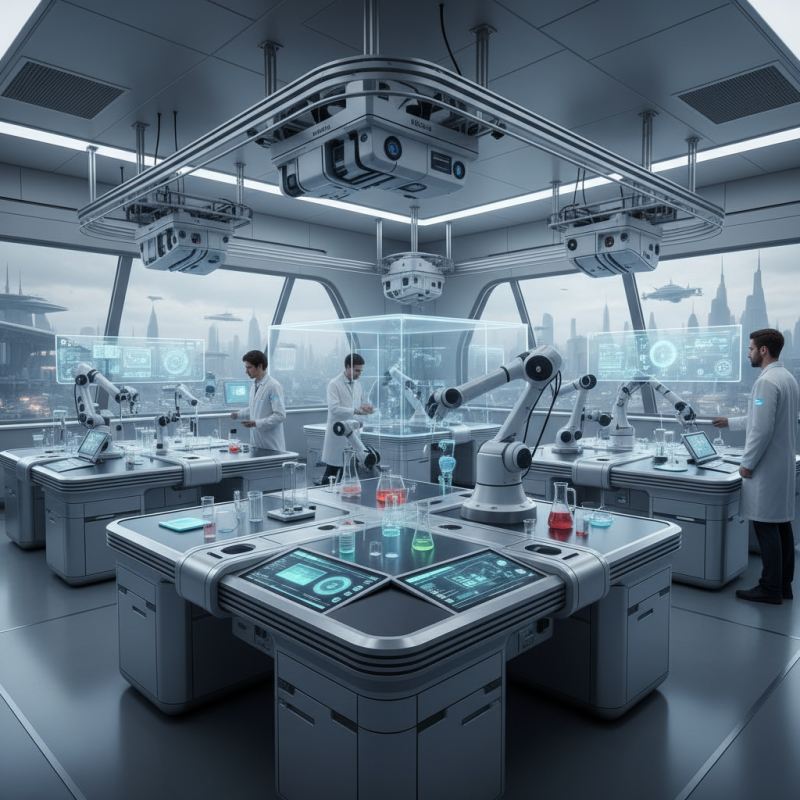
Factors to Consider When Selecting a Laboratory Bench in 2025
When selecting a laboratory bench in 2025, several critical factors must be carefully considered to ensure it meets the specific demands of your research. First, the material composition of the bench plays a significant role in its durability and functionality. According to a recent industry report by ResearchAndMarkets, over 65% of laboratories in high-stakes fields, such as pharmaceuticals and biotechnology, prefer benches made from chemically resistant surfaces, such as epoxy resin or laminate, to withstand harsh cleaning agents and potential spills. This choice not only enhances safety but also ensures compliance with regulatory standards.
Another vital consideration is workspace ergonomics. A study by the National Institute for Occupational Safety and Health highlights that proper bench height and user accessibility can significantly reduce physical strain on researchers. In 2025, the trend is leaning towards adjustable benches that accommodate various tasks and different user heights, promoting a more inclusive and productive work environment. Additionally, integrated technology features, such as built-in power outlets and data access points, are becoming essential to streamline experimental processes, reflecting a shift towards more digitally connected laboratories. These functionalities not only improve workflow efficiency but also contribute to a well-organized and modern lab setup.
Material Durability and Ergonomics for Laboratory Benches
When selecting a laboratory bench, material durability and ergonomics are pivotal factors that directly influence research efficiency and the wellbeing of lab personnel. Durable materials, such as high-quality steel, phenolic resin, or chemical-resistant laminates, ensure that the bench can withstand harsh laboratory conditions, including exposure to various chemicals, heat, and physical impacts. This resilience not only prolongs the life of the bench but also minimizes maintenance costs and the need for frequent replacements, allowing researchers to focus on their projects without interruptions.
Ergonomics is equally essential, as a well-designed laboratory bench can significantly enhance comfort and reduce the risk of injury for users. Features such as adjustable height, appropriate workspace layout, and smart storage solutions contribute to a more efficient workflow. By providing easy access to tools and materials, ergonomic benches help reduce strain during long hours of research, promoting better posture and minimizing fatigue. Ultimately, a combination of durable materials and thoughtful ergonomic design will ensure that laboratory benches meet the diverse needs of researchers while fostering a productive and safe working environment.
Material Durability and Ergonomics for Laboratory Benches in 2025
Customization Options for Laboratory Benches: Meeting Specific Research Needs
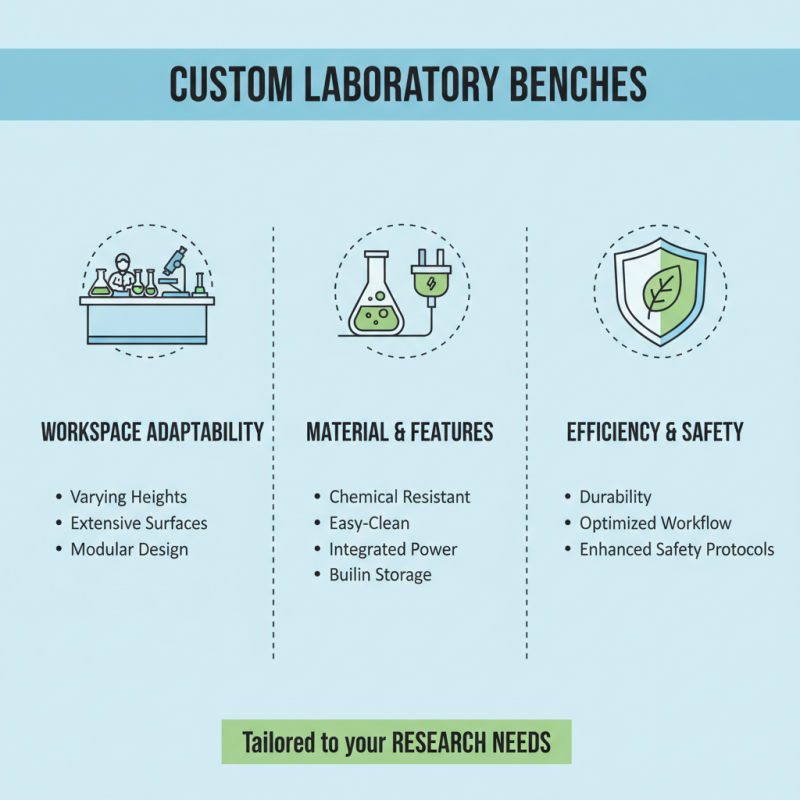
When selecting a laboratory bench tailored to your specific research needs, customization options play a crucial role. Laboratory environments vary—some may require extensive workspace, while others need specialized surfaces or built-in equipment. Custom benches can be designed with varying heights, materials, and features like integrated storage or power outlets to facilitate unique workflows. Considerations such as chemical resistance, ease of cleaning, and durability will directly impact your research efficiency and safety.
**Tips:** Assess the type of experiments you will conduct regularly. If using chemicals, opt for a surface resistant to spills and stains. For projects requiring heavy equipment, choose a bench with adequate load-bearing capacity. Remember to involve team members in the decision-making process, as their input can provide insights into functional needs that you might overlook.
Adjustability is another important aspect of customization. Ergonomically designed benches that can be raised or lowered help accommodate different users and promote comfort during long hours of research. Additionally, incorporating modular components can enable easy reconfiguration of the workspace as project demands evolve. This flexibility not only enhances productivity but also extends the lifespan of the invested equipment, making it a worthwhile consideration for any laboratory setup.
Budgeting for Laboratory Benches: Cost Analysis and ROI in Research
When budgeting for laboratory benches in 2025, it is essential to consider a comprehensive cost analysis that not only includes the initial purchase price but also long-term operational expenses. Key factors affecting the overall budget include the material quality, design features, and ergonomic aspects of the benches. Investing in high-quality materials can lead to greater durability and reduced maintenance costs, ultimately contributing to a better return on investment (ROI). Additionally, ergonomic designs promote better lab efficiency and worker wellbeing, which can impact productivity and research outcomes positively.
An effective ROI analysis should encompass both quantitative and qualitative measures. While initial costs and expected lifespan are critical in assessing financial return, the influence of the laboratory environment on research effectiveness cannot be overstated. For instance, a well-organized and functional bench layout can enhance workflow, minimize time wastage, and improve teamwork, translating into more successful research results. It is important for decision-makers to evaluate these indirect benefits alongside traditional financial metrics to ensure that the selected laboratory bench truly meets their research needs and supports optimal performance.
Future Trends in Laboratory Design: Innovations in Bench Technology
As we look ahead to 2025, laboratory bench design is evolving to meet the diverse needs of researchers and enhance the efficiency of experimentation. One of the most significant trends in bench technology is the incorporation of smart materials and responsive surfaces that adapt to the specific requirements of various experiments. These innovations facilitate real-time adjustments in temperature, humidity, and even contamination control, allowing for a more precise and controlled research environment. This adaptability not only boosts productivity but also ensures that sensitive experiments are conducted under optimal conditions.
Another critical advancement in laboratory bench design is the integration of modular and customizable components. Future benches will allow researchers to easily reconfigure layouts and append functionalities without major overhauls, catering to the dynamic nature of scientific inquiry. This flexibility supports collaboration, as spaces can be tailored to suit different teams and projects, fostering creativity and improving workflow. Furthermore, sustainable practices are becoming increasingly integral to laboratory design, with benches made from eco-friendly materials and featuring energy-efficient technologies that minimize environmental impact. As researchers aim to innovate while adhering to sustainability goals, these advances in bench technology are set to transform the laboratory landscape significantly.
How to Choose the Best Laboratory Bench for Your Research Needs in 2025 - Future Trends in Laboratory Design: Innovations in Bench Technology
| Feature |
Description |
Importance |
Future Trends |
| Modularity |
Ability to reconfigure the bench layout as needed |
High for evolving research needs |
Increased demand for adaptable workspaces |
| Ergonomics |
Design that enhances user comfort and efficiency |
Critical for lab productivity |
Focus on health and wellness of lab workers |
| Materials |
Durable, easy-to-clean surface materials |
Essential for maintaining cleanliness |
Eco-friendly material advances |
| Technology Integration |
Incorporation of digital and analytical tools |
Increasingly vital for data analysis |
Smart benches with embedded sensors |
| Storage Solutions |
Efficient and organized storage options |
Important for workflow optimization |
Innovative modular storage designs |