How to Choose the Best Lab Desk for Your Scientific Workspace Needs
In the realm of scientific research, the necessity for an optimal working environment cannot be overstated. Choosing the best Lab Desk is a pivotal decision that can significantly impact both efficiency and productivity in the laboratory. Dr. Emily Carter, a leading expert in laboratory design and ergonomics, emphasizes, "The right Lab Desk not only enhances workflow but also ensures a comfortable and organized space conducive to innovative thinking."
Selecting a Lab Desk tailored to specific workspace needs involves careful consideration of various factors, including material, size, and functionality. Such desks are not merely tools for standing or sitting; they are essential components that facilitate the intricate tasks performed in scientific inquiries. From accommodating essential equipment to providing adequate storage, an ideal Lab Desk can transform the way researchers conduct their experiments and manage their time.
As laboratories evolve, so does the demand for desks that meet the dynamic requirements of modern science. By understanding the significance of a well-chosen Lab Desk, scientists can create environments that foster creativity, collaboration, and groundbreaking discoveries, ultimately leading to advancements in their respective fields.

Factors to Consider When Selecting a Lab Desk for Your Workspace
When selecting a lab desk for your scientific workspace, several critical factors must be considered to ensure it meets your specific needs. First and foremost, the material of the desk plays a vital role in its durability and suitability for various scientific tasks. According to the American National Standards Institute (ANSI), laboratory surfaces should be resistant to spills, chemicals, and heat. Options such as epoxy resin or phenolic resin offer robust resistance and can significantly increase longevity, making them ideal choices for research environments where hazardous substances are frequently handled.
Another important factor is the desk's design and configurability. Many professionals advocate for ergonomic considerations, as a poorly designed workspace can lead to chronic pain and reduced productivity. The National Institute for Occupational Safety and Health (NIOSH) recommends adjustable-height desks, which allow users to alternate between sitting and standing, thus promoting healthier work habits. Additionally, the layout and accessibility of power outlets and storage solutions are essential for maintaining an organized and efficient workspace, reducing the time spent searching for tools and materials during critical experiments. Properly assessing these factors ensures that you can create an effective and comfortable laboratory environment that accommodates the diverse activities required in modern scientific research.
Types of Lab Desks and Their Specific Uses in Scientific Environments
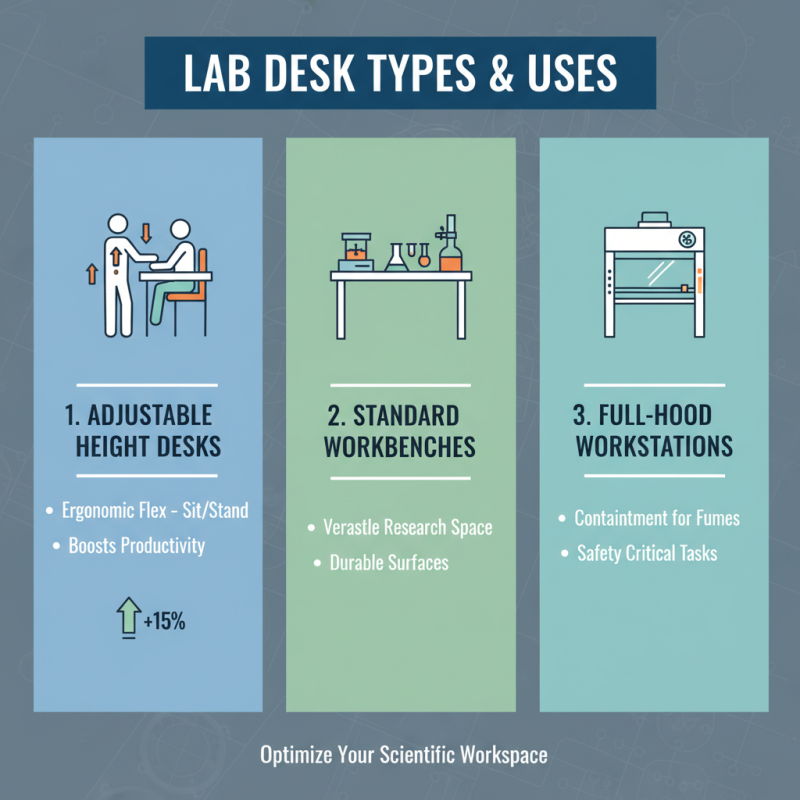
When selecting a lab desk for scientific workspaces, it’s essential to consider the specific types of lab desks available and their unique applications. Common types include adjustable height desks, standard laboratory workbenches, and fume hood workstations. Adjustable height desks cater to a diverse range of users, facilitating ergonomic practices by allowing researchers to alternate between sitting and standing positions. According to ergonomic studies, promoting movement at the workstation can increase productivity by up to 15% while reducing the risk of musculoskeletal disorders.
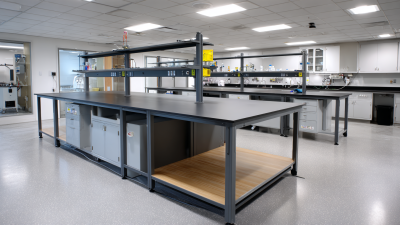
Standard laboratory workbenches are foundational in many scientific environments, providing a durable and flat surface for experiments. These benches often feature chemical-resistant materials, which are crucial for laboratories that handle various substances. A report by the National Institute of Standards and Technology emphasizes that a significant number of laboratory accidents are linked to inadequate workspace setups—highlighting the importance of selecting benches that meet industry standards for safety and functionality. Fume hood workstations, essential in environments where volatile substances are handled, enhance safety by minimizing exposure to harmful vapors and fumes. Data from the American National Standards Institute indicate that proper fume hood usage can effectively reduce airborne contaminant levels, making it critical for labs aiming to maintain a safe working atmosphere.
Understanding these specific types of lab desks and their functionalities not only improves the safety and efficiency of scientific endeavors but also aligns with compliance regulations critical to laboratory operations.
Essential Features to Look for in a High-Quality Lab Desk
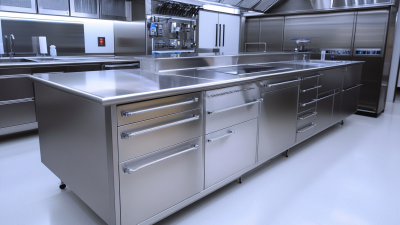
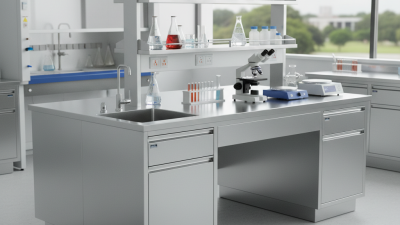
When selecting a high-quality lab desk for your scientific workspace, several essential features should guide your decision. First and foremost, the material of the desk is crucial. Durable surfaces such as chemical-resistant laminate or stainless steel are ideal, as they can withstand spills and heavy equipment without sustaining damage. The desk should also be easy to clean, ensuring that maintaining a sterile environment is straightforward.
Another important aspect to consider is the desk's ergonomics and adjustability. A lab desk should accommodate varying heights and provide enough surface area for both tasks and equipment. Features like height-adjustable work surfaces can significantly enhance comfort, allowing users to work standing or seated as needed. Additionally, built-in storage solutions such as drawers and shelves can help organize tools and materials, improving efficiency in the workspace.
Finally, consider the desk's design in terms of mobility and configuration. Modular desks allow for rearrangement and expansion as project needs change, which is particularly beneficial in dynamic lab environments. Adequate cable management features also ensure that power cords and equipment do not create a hazard. By focusing on these essential features, you can select a lab desk that enhances productivity and meets the specific needs of your scientific workspace.
Comparison of Essential Features in Lab Desks
Budgeting Tips for Purchasing the Right Lab Desk for Your Needs
When selecting a lab desk, budgeting is a crucial aspect that can significantly impact your scientific workspace. According to a recent report from the National Institute of Standards and Technology, nearly 70% of laboratory managers cited budget constraints as a primary factor affecting their purchasing decisions. To ensure that you make the best choice for your needs, it’s essential to understand the cost implications and prioritize your spending.
One effective budgeting tip is to create a detailed list of your primary requirements. Determine the essential features your lab desk must have, such as durability, size, and configuration. Studies have shown that investing in high-quality materials can reduce overall replacement costs in the long run. For instance, desks made of chemical-resistant laminate tend to last longer in a lab environment.
Additionally, consider the total cost of ownership rather than just the initial purchase price. This includes installation, maintenance, and eventual disposal costs. Research indicates that a well-planned lab setup can save as much as 20% in operational costs over five years. Therefore, allocating funds towards ergonomics and functionality in your lab desk can enhance productivity and employee satisfaction. Prioritizing these factors will ensure your investment pays off in both efficiency and longevity.
Ergonomics and Design Considerations for Comfortable Lab Workspaces
When selecting a lab desk, ergonomic design is paramount to ensuring a comfortable and productive work environment. A well-designed lab desk should accommodate a range of tasks while promoting good posture and minimizing strain. Features such as adjustable height settings allow users to alternate between sitting and standing, reducing the risks associated with prolonged work in a single position. Additionally, a desk with a spacious surface area can help keep essential tools and materials within easy reach, which further enhances workflow and efficiency.
Incorporating specific design considerations, such as a clean, uncluttered surface and built-in storage solutions, can significantly improve lab workspaces. Desks with rounded edges can prevent injuries and allow for better movement, while materials that are easy to clean and resistant to chemicals will ensure the longevity of the workspace. Furthermore, integrating adequate lighting and organization systems, such as cable management and modular shelving, can create a more functional environment, allowing researchers to focus more on their work and less on managing their surroundings. A thoughtfully designed lab desk not only contributes to the comfort of the user but also fosters innovation and productivity by creating an efficient workspace tailored to the needs of scientific exploration.