China Best Laboratory Furniture Trends and Innovations for 2026?
As the landscape of scientific research evolves, so does the demand for innovative Laboratory Furniture. In recent years, trends in functional design and ergonomic solutions have taken center stage. Dr. Jane Thompson, a leading expert in laboratory design, states, "The right laboratory furniture can enhance productivity and safety in any research environment."
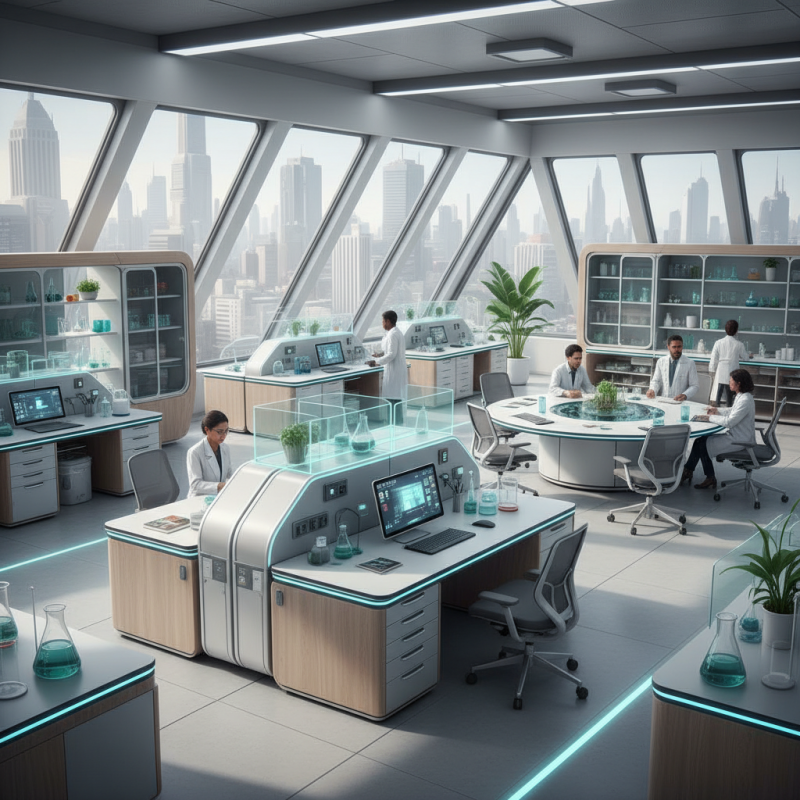
Looking toward 2026, we see a clear shift towards sustainability and adaptability. Modern laboratories require furniture that not only caters to the specific needs of diverse research activities but also addresses environmental concerns. Many companies are leaning towards modular designs that can be easily rearranged for different workflows. This flexibility is crucial as research projects become more interdisciplinary.
Moreover, aesthetics are playing a larger role in laboratory settings. Scientists want their environments to feel inspiring and welcoming. While functionality remains paramount, the psychology of space cannot be overlooked. However, with these advances, the challenge lies in balancing innovation with cost-effectiveness. The goal should be to create spaces that do not sacrifice quality for affordability. Thus, as we approach 2026, the journey of Laboratory Furniture innovation is both exciting and complex.
Trends in Laboratory Furniture Design: Sustainability and Eco-Friendliness
As we look ahead to 2026, laboratory furniture is evolving significantly, particularly in sustainability and eco-friendliness. Research from the Global Laboratory Furniture Market Report highlights that 62% of industry stakeholders consider environmental impact a key factor in purchasing decisions. This shift is driven by both regulatory pressures and consumer demand for greener solutions in laboratory design.
Materials such as recycled metals and sustainable woods are becoming increasingly popular. Designers are prioritizing energy-efficient manufacturing processes to reduce the carbon footprint of laboratory furniture. Trend analyses suggest that labs utilizing eco-friendly furniture report lower operational costs by up to 30%. These materials not only contribute to a healthier lab environment but also resonate with the growing awareness of corporate social responsibility.
Tip: When selecting laboratory furniture, consider the lifecycle impact of materials. Products designed for longevity can significantly cut down on waste.
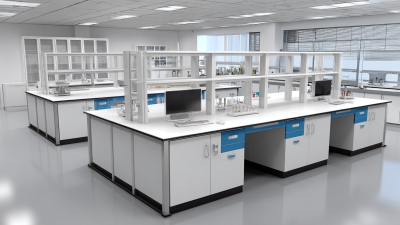
Another trend is the integration of modular furniture, which allows for flexible lab layouts. This design promotes efficient use of space and resources. However, it also presents challenges in maintaining a cohesive aesthetic. A balance between form and function is essential to enhance usability without compromising sustainability.
Tip: Evaluate the space before investing in new furniture. A thoughtful design can reduce the need for future renovations, fostering sustainability.
Innovations in Ergonomic Laboratory Furniture: Enhancing User Comfort
Laboratory environments demand furniture that enhances user comfort without compromising functionality. In 2026, ergonomic laboratory furniture innovations aim to tackle common challenges faced by users. Adjustable workstations, for instance, allow researchers to shift between sitting and standing positions. This flexibility can reduce fatigue during long hours of operation. Specific designs may focus on lumbar support, enabling users to maintain proper posture while working.
The integration of materials that provide cushioning and support can also enhance the user experience. Soft-touch surfaces and smart materials may adapt to individual body shapes, promoting better ergonomics. However, some existing options may still fall short in terms of durability. Users should look for furniture that balances comfort with a robust construction. Attention to detail, like the height of storage units, can prevent unnecessary strain as users reach for equipment.
Incorporating technology into furniture design can further address ergonomic needs. Built-in sensors may monitor posture, alerting users to adjust their positions accordingly. Yet, as promising as these advancements are, they come with a learning curve. Training may be necessary to maximize the benefits of these innovations. Ultimately, the journey toward ideal ergonomic laboratory furniture continues to evolve, revealing both solutions and areas for improvement.
China Best Laboratory Furniture Trends and Innovations for 2026
| Innovation Type |
Description |
Expected Impact |
Trend Rating (1-5) |
| Ergonomic Workstations |
Adjustable height tables and chairs to promote better posture and reduce fatigue. |
Enhanced user comfort and productivity; reduced strain injuries. |
5 |
| Modular Furniture Systems |
Interchangeable components for flexible lab layouts and personalized spaces. |
Improved adaptability to various research tasks and team dynamics. |
4 |
| Sustainable Materials |
Use of eco-friendly materials in the production of lab furniture. |
Reduction of environmental impact; promotion of green lab practices. |
5 |
| Integrated Technology |
Built-in power outlets, USB ports, and management systems for digital tools. |
Streamlined workflows and better management of laboratory equipment. |
4 |
| Collaboration Spaces |
Designated areas for team interactions and discussions to foster collaboration. |
Enhancement of teamwork and idea sharing; improved project outcomes. |
4 |
The Role of Smart Technology in Modern Laboratory Furniture Solutions
In recent years, the integration of smart technology into laboratory furniture has transformed workspaces. Advanced sensors now monitor temperature and humidity, ensuring optimal conditions for experiments. These features enhance safety and efficiency, allowing researchers to focus on their work. Tables with built-in screens provide instant access to data and protocols. This design streamlines workflows and boosts productivity.
However, not all solutions are perfect. Sometimes, the technology can overwhelm users who prefer traditional setups. There is a learning curve associated with new systems. Technical malfunctions can disrupt workflows, leading to frustration. Addressing these challenges is vital for manufacturers. User training and support are crucial for successful implementation.
Beyond functionality, the aesthetic appeal of laboratory furniture is evolving. Sleek designs attract modern institutions looking to create inviting environments. With the rise of remote collaborations, adaptable furniture is trending. Modular components can be reconfigured for various projects. As laboratories embrace these innovations, continuous feedback from users will be key to refining designs. The future of laboratory furniture lies in balancing smart technology with user comfort and usability.
Market Insights: Projected Growth of Laboratory Furniture Industry by 2026
The laboratory furniture industry is expected to see significant growth by 2026. Recent market research suggests that the global laboratory furniture market will reach approximately $6.5 billion. This growth is largely driven by the rising demand in healthcare, biotechnology, and academic sectors. As these industries expand, the need for high-quality laboratory setups increases.
Furthermore, innovations in materials and design are shaping the future of laboratory furniture. Lightweight, durable, and eco-friendly materials are emerging. For instance, the use of antimicrobial surfaces is gaining traction. This innovation helps maintain sterile environments and reduces contamination risks. Additionally, ergonomic designs are becoming essential. They improve user comfort and promote efficiency.
However, challenges remain. The need for customization can increase costs. Many institutions require specific layouts to fit unique workflows. Balancing cost with functionality poses a dilemma for suppliers. Moreover, not all manufacturers comply with safety standards, raising concerns among buyers. As the industry progresses, these issues must be addressed to ensure sustainable growth.