Best Biology Laboratory Bench Setup and Equipment Guide?
In recent years, the significance of a well-organized Biology Laboratory Bench has grown immensely. According to a report by the Global Laboratory Equipment Market, labs equipped with optimal setups increase research productivity by 30%. This substantial figure highlights how crucial a proper bench setup is for biologists seeking efficiency.
Dr. Emily Carter, a renowned expert in laboratory design, emphasizes, "An efficient Biology Laboratory Bench enhances workflow and boosts discovery." Ensuring that equipment is ergonomically arranged and easily accessible can lead to significant improvements in experimental outcomes. However, many laboratories still struggle with outdated configurations that hinder progress.
Adapting a laboratory bench to fit specific research needs is vital. When benches remain cluttered or improperly equipped, it can lead to wasted time and decreased motivation. Reflecting on these challenges is essential for professionals aiming to enhance their laboratory environments. Creating a tailored Biology Laboratory Bench setup is not just a goal but a necessity for future advancements in biological research.
Best Practices for Designing a Biology Laboratory Bench Setup
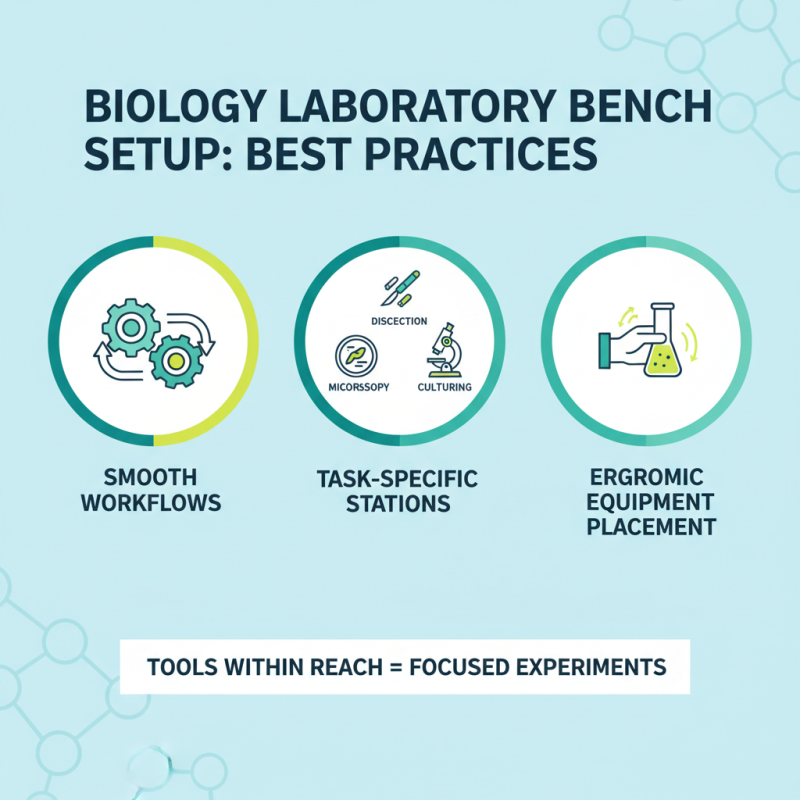
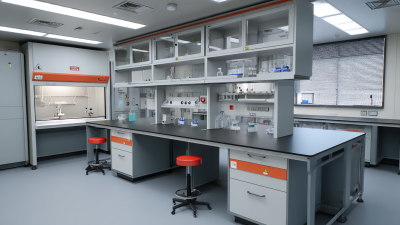
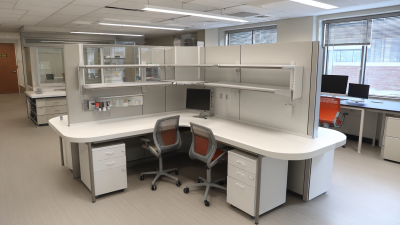
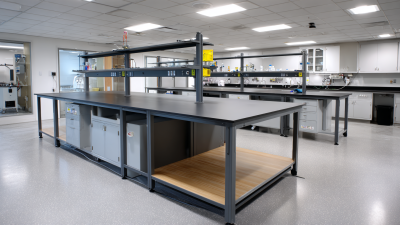
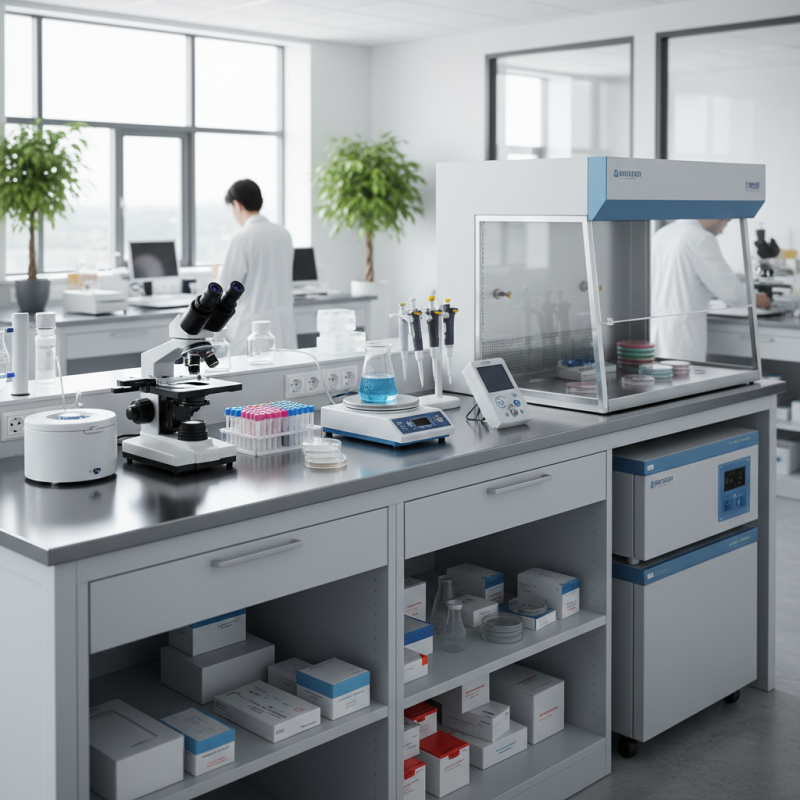
Designing an efficient biology laboratory bench setup requires careful consideration. The workspace should allow for smooth workflows. Each station must cater to specific tasks like dissection, microscopy, or culturing. Position the equipment so that tools are within arm's reach. This minimizes movement and keeps the focus on the experiment.
Incorporating adequate storage is crucial. Drawers or shelves should hold frequently used tools and reagents. Ensure everything is labeled clearly. This helps avoid confusion during tense moments. However, too much clutter can be overwhelming. Periodically reassess the organization to maintain an efficient space.
Natural light can improve mood and concentration. If possible, place your bench near windows. But beware of glare on screens and work surfaces. An ideal setup also includes a balance of surfaces. Some areas should be sterile, while others allow for more casual work. Regularly reflect on the design. Adjustments may lead to significant improvements over time.
Key Safety Protocols in Biology Lab Bench Configurations
In a biology lab, safety is paramount. Each setup must follow key protocols. Ensure that all benches are clear of clutter. This allows for easy access to equipment and minimizes accidents. Wearing personal protective equipment, or PPE, is essential. Lab coats, gloves, and goggles should always be worn. They protect against spills and hazardous materials.
Additionally, chemical storage is critical. Use labeled containers and secure them properly. Flammable substances should be kept away from heat sources. It’s also important to know the location of the nearest safety shower and eye wash station. Regular safety drills are beneficial, too. They prepare everyone for emergencies, fostering a culture of safety awareness.
Mistakes can happen, even in the best setups. Sometimes, protocols are overlooked due to improper training or distractions. Encouraging open discussions about safety practices helps improve the environment. Reflecting on incidents, no matter how minor, reinforces the need for constant vigilance. Every lab member plays a role in maintaining safety and efficiency.
Best Biology Laboratory Equipment Usage Overview
Optimal Workflow Strategies in Biology Laboratory Bench Design
Efficient workflow strategies are essential in biology lab bench design. According to a report by the National Institute of Health, poorly designed workspaces can increase errors by up to 30%. The layout of equipment can facilitate better organization and reduce unnecessary movements. Place frequently used items within easy reach. This minimizes the time spent searching for tools and reagents.
Consider adjustable work surfaces to accommodate different tasks. Studies show that labs with flexible spaces can enhance productivity by as much as 25%. Good lighting and ventilation are also critical. Researchers often overlook these aspects. Proper light reduces eye strain and enhances focus, while ventilation keeps air quality high.
Evaluate your setup regularly. Are workflows optimized, or is there clutter? It may be time to redesign. Continuous improvement can help create a more effective lab environment. Don’t hesitate to ask team members for feedback. They often have insights that can lead to better efficiency. Remember, the goal is to create a space that supports creativity and innovation.
Data on Equipment Efficiency and Performance in Biology Labs
In modern biology labs, equipment efficiency and performance are crucial. Recent studies show that a well-organized lab can improve workflow by up to 40%. This increase often stems from utilizing ergonomic benches and appropriate tools. Researchers have reported that cluttered workspaces lead to a 25% decrease in productivity. This data underlines the importance of thoughtful laboratory setups.
Choosing the right equipment can be challenging. A 2022 report indicated that 30% of lab personnel felt their tools were not optimized for their tasks. For instance, centrifuges that lack speed optimization may yield subpar results. Additionally, many labs still rely on outdated technologies, negatively impacting their efficiency. Regular assessment of equipment performance is essential. Adopting a proactive approach can solve many issues, but identifying the right balance between technology and usability remains complex.
The right setup fosters collaboration and innovation. However, selecting the optimal equipment is often overlooked. A recent survey found that only 55% of labs conduct annual evaluations of their setups. This lack of reflection can lead to missed opportunities for improvement. It's clear that allocating time to reassess tools is necessary for achieving peak performance in any biology lab.
Best Biology Laboratory Bench Setup and Equipment Guide
| Equipment |
Efficiency Rating (%) |
Performance Indicator |
Recommended Usage |
| Autoclave |
95 |
Sterilization Capability |
Regularly for sterilizing equipment |
| Microscope |
90 |
Image Clarity |
For cell observation and imaging |
| Incubator |
88 |
Temperature Control |
For bacterial and cell culture growth |
| Pipette |
92 |
Liquid Measurement Precision |
For accurate liquid transfers |
| Centrifuge |
85 |
Separation Efficiency |
For sample separation and purification |