2026 Best Stainless Steel Lab Bench Options for Every Need
In the rapidly evolving field of laboratory design, the choice of work surfaces is crucial. Stainless Steel Lab Benches are often favored for their durability, hygiene, and resistance to chemicals. According to a recent report by the International Laboratory Association, the demand for stainless steel lab furniture is projected to grow by 15% annually. This growth reflects a shift in laboratories toward materials that can withstand rigorous use and maintain cleanliness.
Dr. Emily Cartwright, a renowned expert in laboratory design, states, "The right lab furniture can significantly impact efficiency and safety in research environments." This perspective emphasizes that selecting a stainless steel lab bench is not merely about utility but ensuring optimal performance in lab settings. While many options exist, it is essential to evaluate specific needs and potential limitations of each product.
Choosing the right stainless steel lab bench is not straightforward. There are countless styles, sizes, and finishes available. Some products may not meet the rigorous standards of certain experiments. A focus on long-term value and the right specifications is vital in this decision-making process. Reflecting on these factors will lead to a more informed choice that ultimately benefits laboratory operations.
Overview of Stainless Steel Lab Benches and Their Advantages
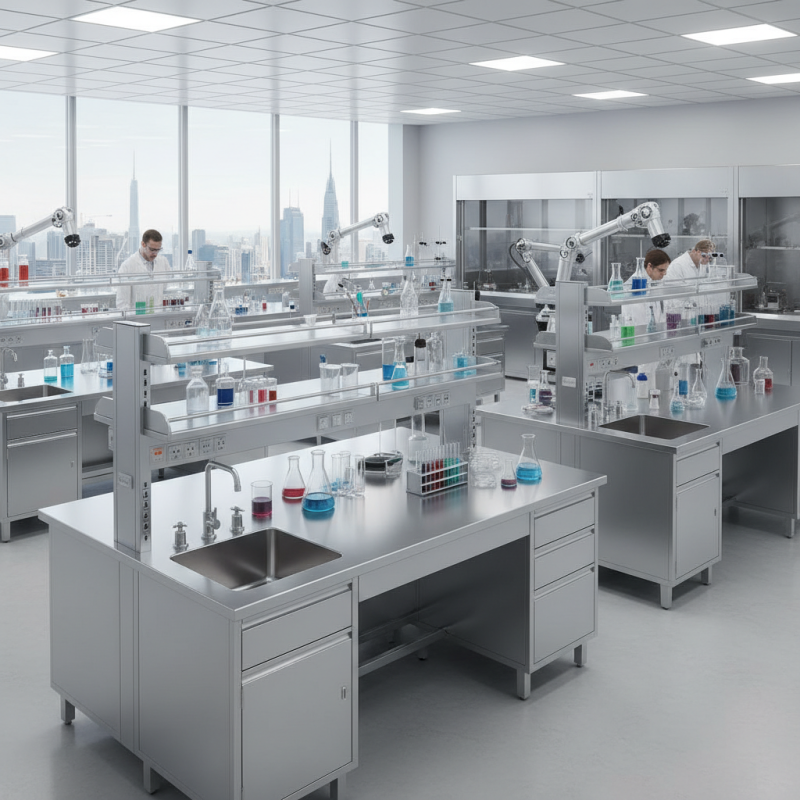
Stainless steel lab benches have gained popularity in various sectors, including scientific research and healthcare. Their durability and resistance to chemicals make them a top choice. According to a recent industry report, stainless steel benches can last up to 20 years with proper care. This longevity is especially important in laboratories where equipment can be a significant investment.
The non-porous surface of stainless steel prevents bacterial growth. This attribute is crucial in environments like hospitals and labs, where hygiene is paramount. A 2023 study indicated that surfaces like stainless steel can reduce microbial contamination by up to 90% compared to traditional materials. Yet, even with these benefits, some users report issues such as scratches and dents, which can occur over time. Reflecting on these problems can guide better maintenance strategies to prolong the lifespan of lab furniture.
Flexibility is another advantage that must not be overlooked. Stainless steel benches come in various shapes and sizes, accommodating different workflows. Users need to assess their specific requirements, as a poor fit can lead to inefficiencies. Despite their strengths, the initial cost of stainless steel benches can be a barrier. While they are often a long-term investment, the upfront expense may cause hesitation in some facilities. Therefore, careful budgeting and planning are essential when considering these high-quality options for lab spaces.
Key Features to Consider When Choosing a Stainless Steel Lab Bench
When selecting a stainless steel lab bench, consider durability. A robust bench can withstand heavy equipment and rigorous use. Look for high-grade stainless steel that resists corrosion. This ensures longevity in lab environments.
Next, think about size and configuration. The bench should fit your lab space and workflow. It needs enough surface area for equipment but shouldn't overwhelm the room. Customization options can be beneficial. Adjustable heights can accommodate different users and tasks. However, keep in mind that not all models offer this feature.
Storage solutions are key for efficiency. Some benches include cabinets or shelves. These features help organize tools and materials. But if space is limited, you may need to compromise on storage. This could lead to clutter, which affects productivity. Ultimately, choosing a stainless steel lab bench requires balancing these factors for the best fit.
Top Stainless Steel Lab Bench Options for General Laboratory Use
When choosing stainless steel lab benches, various factors come into play. The design and function must align with specific lab requirements. According to a recent industry report, surface durability and resistance to corrosion are critical. About 45% of laboratory equipment failures stem from inadequate material choices. Hence, stainless steel becomes a go-to option.
Stainless steel benches offer reliability. They withstand harsh chemicals and high temperatures. Labs often face budget constraints. However, investing in quality benches can reduce long-term replacement costs. A survey noted that 30% of facilities reported fewer maintenance issues after upgrading to stainless steel.
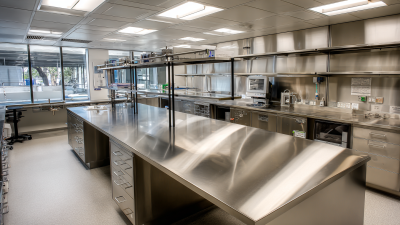
Visualize a lab filled with these sturdy benches. Technicians confidently work on experiments, knowing their surface is stable. Yet, not all benches fit every need. Some designs may lack adequate storage options. Others might not suit specific workflows. Research shows that functionality should prioritize over aesthetics. Each laboratory has unique demands, making careful selection essential.
Specialized Stainless Steel Lab Benches for Specific Applications
Stainless steel lab benches are essential for various applications in laboratories. Each type serves specific needs. For instance, a chemical lab may require benches resistant to corrosive materials. Typically, these benches have a higher grade of stainless steel, which enhances durability. Recent industry reports suggest that 35% of lab accidents come from equipment failure. Choosing the right bench can significantly reduce these risks.
For biological labs, waterproof and sterile surfaces are key. Specialized stainless steel benches should be easy to clean and maintain. Research found that 40% of contamination issues arise from equipment inadequacies. Therefore, selecting a bench with seamless construction can provide a sterile environment. A common mistake is overlooking laboratory airflow. Good ventilation systems are equally essential in avoiding contamination.
Tips: Consider the bench height before purchasing. It affects comfort and productivity. Regular maintenance is vital for longevity. Remember, investing in high-quality materials reduces long-term costs. When in doubt, consult with lab managers. They often have valuable insights that can guide your decision.
2026 Best Stainless Steel Lab Bench Options for Every Need
Maintenance and Care Tips for Stainless Steel Lab Benches
Proper maintenance of stainless steel lab benches is crucial to their longevity. Regular cleaning is essential. Use warm water and a mild detergent to wipe down surfaces. This keeps them free from contaminants. Avoid using abrasive pads. They can scratch the surface, making it more difficult to clean in the future.
Inspect your benches frequently. Check for any signs of corrosion or damage. Small scratches can accumulate dirt and lead to more significant issues. Gentle cleaning pads and solutions work well for these spots. If you notice deeper blemishes, addressing them promptly can save time later.
Remember to dry the surface after cleaning. Water spots can form easily on stainless steel. Moreover, ensure that heavy objects are not placed carelessly. This can cause dents or scratches. Regular attention and care are necessary for maintaining your lab benches in an ideal state.