10 Best School Lab Furniture Options for Effective Learning Spaces?
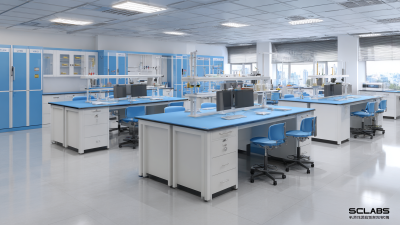
Creating an effective learning environment is crucial for students. School lab furniture plays a significant role in this aspect. The right furniture can enhance collaboration, comfort, and engagement. It can also support various teaching methods, promoting hands-on experience in science and technology.
Selecting the best options for lab furniture may seem overwhelming. Many factors come into play, including durability, safety, and functionality. A well-furnished lab not only accommodates diverse activities but also inspires creativity. However, many schools overlook the importance of investing in quality furnishings. This can hinder students' performance and enthusiasm for learning.
In this guide, we explore ten top choices for school lab furniture. Each option balances practicality and style. The goal is to empower educators and enrich the learning experience. Thoughtful decisions can lead to a more dynamic and interactive learning space, adapting to students’ needs.
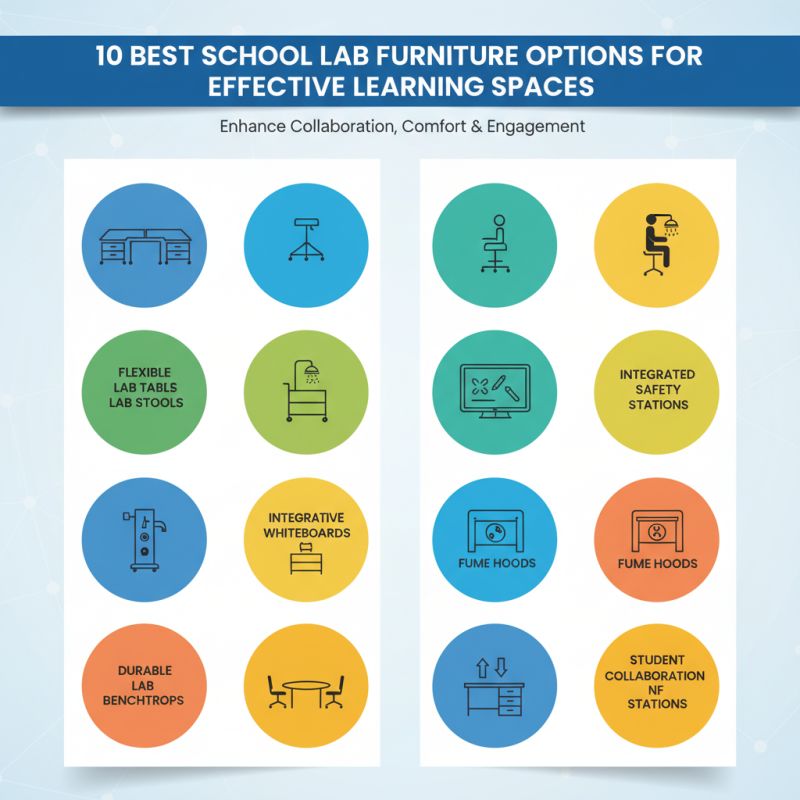
Top Considerations for Choosing School Lab Furniture
When choosing school lab furniture, safety is paramount. Sturdy tables with rounded edges can prevent injuries. Chairs should be ergonomic to support proper posture. These elements create a safe environment for students to focus on experiments. Materials used in furniture should withstand spills and stains to maintain hygiene. Easy-to-clean surfaces are essential for science labs, encouraging students to engage without hesitation.
Functionality is another key consideration. Flexible furniture arrangements allow for diverse activities. Having movable tables facilitates group work or individual study. Ensure that storage solutions support organization, keeping tools and materials accessible. Additionally, durability plays a critical role. Lab furniture must endure wear and tear from daily use. Consider how furniture can adapt over time as teaching methods evolve.
Reflect on your specific needs. Will the setup accommodate future tech? Can it cater to different subjects? These questions can direct your choices. Not every solution will work in every setting. As environments change, reviewing the efficacy of furniture becomes crucial. Prioritizing practical features can enhance the learning experience for all students.
10 Best School Lab Furniture Options for Effective Learning Spaces
| Furniture Type |
Material |
Key Features |
Price Range |
| Lab Tables |
High-Pressure Laminate |
Durable, Chemical Resistant |
$300 - $800 |
| Lab Stools |
Metal with Cushioned Seat |
Adjustable Height, Easy to Clean |
$100 - $250 |
| Storage Cabinets |
Steel |
Lockable, Multiple Shelves |
$400 - $900 |
| Fume Hoods |
Polypropylene |
Ventilation, Safety Features |
$1,000 - $5,000 |
| Workbenches |
Wood or Laminate |
Heavy-Duty, Customizable |
$500 - $1,500 |
| Sink Stations |
Stainless Steel |
Multi-Purpose, Easy Drainage |
$300 - $700 |
| Pegboards |
Wood or Steel |
Organizational, Versatile |
$150 - $350 |
| Drying Racks |
Metal |
Space-Saving, Sturdy |
$200 - $400 |
| Teacher Desks |
Wood |
Spacious, Ergonomic |
$300 - $600 |
| Collapsible Tables |
Plastic or Metal |
Portable, Easy Storage |
$150 - $300 |
Essential Features of Effective Lab Workspaces
Effective lab workspaces require thoughtful design and essential features. One vital element is flexible furniture. Adjustable tables and movable chairs allow students to collaborate and engage in hands-on learning. This flexibility also accommodates diverse learning styles.
Safety is a critical concern in labs. Workspaces must include secure storage for hazardous materials. Adequate ventilation systems are essential to mitigate exposure to harmful fumes. Clear marking of safety zones should be implemented. Despite best efforts, accidents can happen. Regular safety drills help reinforce proper procedures.
Durable materials are also crucial. Lab furniture should withstand frequent use and resist wear. Surfaces need to be easy to clean to maintain hygiene. However, affordability must not be overlooked. Finding cost-effective solutions can be a challenge.
Lighting plays a significant role in lab efficiency, too. Natural light improves focus, while proper artificial lighting reduces eye strain. While many designs prioritize aesthetics, functionality should never be sacrificed for looks. Finally, incorporating technology seamlessly into lab furniture enhances learning experiences.
Types of Lab Furniture: Desks, Chairs, and Storage Solutions
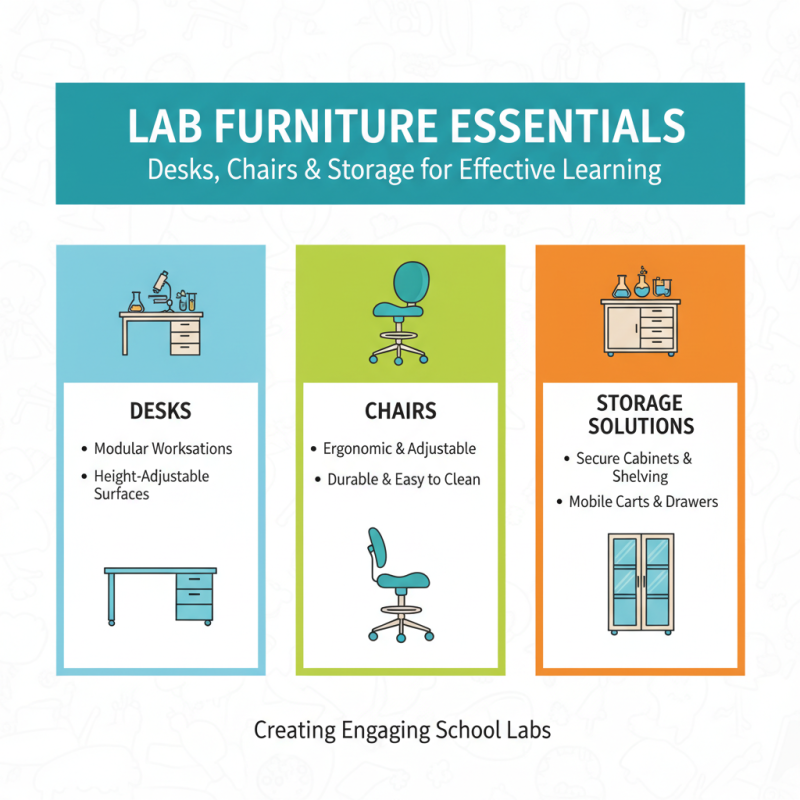
Creating effective learning spaces in schools involves thoughtful selection of lab furniture. Desks, chairs, and storage solutions play crucial roles in promoting an engaging learning environment.
When choosing lab desks, consider the layout. Adjustable height desks can accommodate various student needs. Collaboration is vital, so opt for modular designs that allow easy rearrangement. Keep in mind that not every design will suit all activities; some might limit movement and interaction. Evaluate how your layout fosters or hinders collaboration.
Chair selection impacts comfort and focus. Ergonomic chairs support better posture, enhancing concentration during long lab sessions. Avoid overly rigid designs. Students need to feel at ease to perform well. Focus on materials that are durable and easy to clean, as lab environments can be messy.
Storage is often overlooked but essential. Open shelves encourage easy access to materials. However, they can also lead to clutter if not managed properly. Some storage can be hidden to maintain a clean environment. Regular organization is necessary. Encourage students to take responsibility for keeping their spaces tidy.
Safety and Ergonomics in School Lab Environments
Creating a safe and ergonomic school lab environment is crucial for effective learning. Safety measures should encompass proper ventilation and easily accessible emergency equipment. Lab furniture must meet specific standards to minimize the risk of accidents.
Adjustable tables and chairs help accommodate various body types, promoting comfort during long sessions.
Moreover, it is important to select materials that are durable and easy to clean. Students often work with a variety of substances that could potentially cause spills or damage. Regular assessments of the lab furniture and layout can reveal potential hazards.
Careful planning allows for a space where students can focus on experiments without distractions.
Ergonomics plays a significant role in preventing long-term injuries. Poor posture can lead to fatigue and discomfort. Encouraging students to be mindful of their body position while working is essential.
Setting up labs with student feedback in mind can help create a more inviting atmosphere. Engaging students in discussions about their needs fosters a collaborative learning environment where safety and comfort are prioritized.
Impact of Lab Furniture on Student Engagement and Learning Outcomes
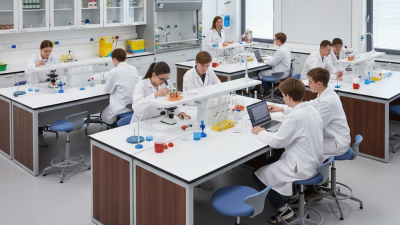
Lab furniture plays a critical role in shaping the learning environment. Well-designed workspaces can lead to higher levels of student engagement. When students feel comfortable and inspired, their curiosity grows. They are more likely to participate in experiments and discussions. Flexible furniture allows for different learning styles. It supports group work and independent study, creating a dynamic atmosphere.
However, not all furniture is suitable for every setting. Some layouts may hinder movement or collaboration. For instance, fixed seating can limit interaction among students. This can impede learning outcomes in labs that thrive on teamwork. Teachers should assess their specific needs and adjust accordingly. Using versatile, adjustable pieces can make a huge difference. Properly designed furniture enhances focus and concentration, leading to improved performance.
Choosing the right lab furniture can be challenging. It requires considering various factors such as space, safety, and functionality. Sometimes, schools overlook the importance of adequate ergonomics. Uncomfortable seating can cause distractions and fatigue. Reflecting on these elements is essential for creating an effective learning space. Optimal lab furniture ultimately supports teachers and students in achieving their educational goals.
Impact of Lab Furniture on Student Engagement and Learning Outcomes