2026 Best Metal Laboratory Bench for Efficient Lab Work?
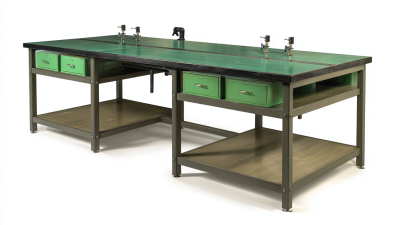
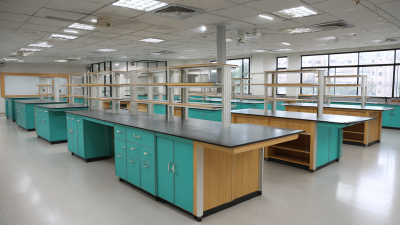
In the fast-evolving world of laboratory equipment, the choice of a Metal Laboratory Bench profoundly impacts productivity and safety. Dr. Emily Brown, a leading expert in laboratory design, states, “The right lab bench serves as the heart of an efficient workspace.” This highlights the significance of selecting the best bench for various applications.
Metal Laboratory Benches are known for their durability and stability. They can withstand heavy use and harsh chemicals. However, not all benches meet the specific needs of modern laboratories. It's vital to consider bench height and layout to enhance workflow. A poorly designed workspace can lead to inefficiency and frustration.
Furthermore, the price of Metal Laboratory Benches can vary significantly. This sometimes leads to compromises on quality. Investing in a reliable bench may seem daunting but can greatly benefit long-term operations. The best choices may not always be immediately apparent, requiring careful evaluation. Every lab should reflect on their specific requirements before making a decision.

2026 Trends in Metal Laboratory Bench Design for Efficiency
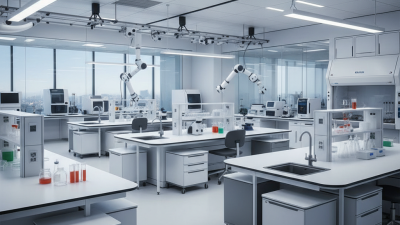
In 2026, metal laboratory bench designs are evolving. Efficiency is key in modern laboratories. These benches now feature modular designs. They provide flexible space for different tasks. Movable components allow for easy adjustments. This leads to better workflow and productivity.
Consider incorporating ergonomic features in your lab. Adjustable heights can help reduce strain. A work surface that caters to different activities is essential. Use materials that resist chemicals and are easy to clean. These choices enhance durability and maintain a tidy environment.
Make sure the bench layout promotes collaboration. Open spaces encourage teamwork. However, the design may also disrupt individual focus sometimes. Balance these needs to create a functional space. It’s crucial to reflect on how your team interacts. Aim for a setup that supports both collaboration and personal tasks effectively. This balance will make your laboratory more efficient.
Key Features of High-Performance Metal Laboratory Benches
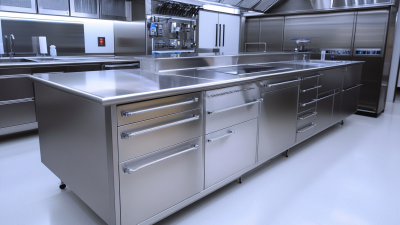
When choosing a metal laboratory bench, key features significantly enhance productivity. Durability is crucial. High-performance benches often use stainless steel or powder-coated finishes. These materials resist corrosion and withstand chemical spills. This resistance ensures a long lifespan, reducing the need for replacements.
Ergonomics play a vital role as well. Adjustable height options accommodate various users. This flexibility helps maintain comfort during extended tasks. Consider also the layout. A spacious work surface allows for equipment and samples to coexist without overcrowding. Some designs include built-in storage, which can declutter the workspace while keeping tools accessible.
However, not all benches fit every laboratory need. The weight of metal benches can be a downside. Moving them can be challenging. Sometimes, benches lack modularity, limiting customization based on specific experiments. It's essential to evaluate how these features align with your workflow. A bench might look perfect but fail to enhance efficiency due to unplanned design issues.
Performance Comparison of Metal Laboratory Benches
This bar chart illustrates key performance metrics of high-performance metal laboratory benches. These metrics include load capacity, durability, chemical resistance, cleanability, and cost, providing insights into efficient lab work solutions.
Evaluating Material Durability: Steel vs. Aluminum in Lab Environments
When choosing between steel and aluminum for laboratory benches, durability is a key factor. Steel offers exceptional strength. It can withstand heavy objects and rigorous use without showing wear and tear. However, it is also quite heavy, making it less flexible for rearrangement in lab spaces. This can be a drawback if you often need to change your layout.
Aluminum, on the other hand, is lightweight and can be easier to move around. This flexibility is great for labs that need to adapt frequently. However, it may not hold up as well under extreme conditions. Scratches and dents can occur more easily than with steel. Some users might find themselves reflecting on whether a compromise between sturdiness and weight is worth it.
Both materials have their pros and cons. Steel benches might rust if expose to moisture without proper coatings. Aluminum might not always provide the same level of support needed for heavy equipment. Ultimately, the choice may hinge on specific lab needs and conditions. Where will the bench be used? What equipment will it support? Considering these questions can lead to a more informed choice.
Industry Standards for Metal Laboratory Benches: Impact on Workflow
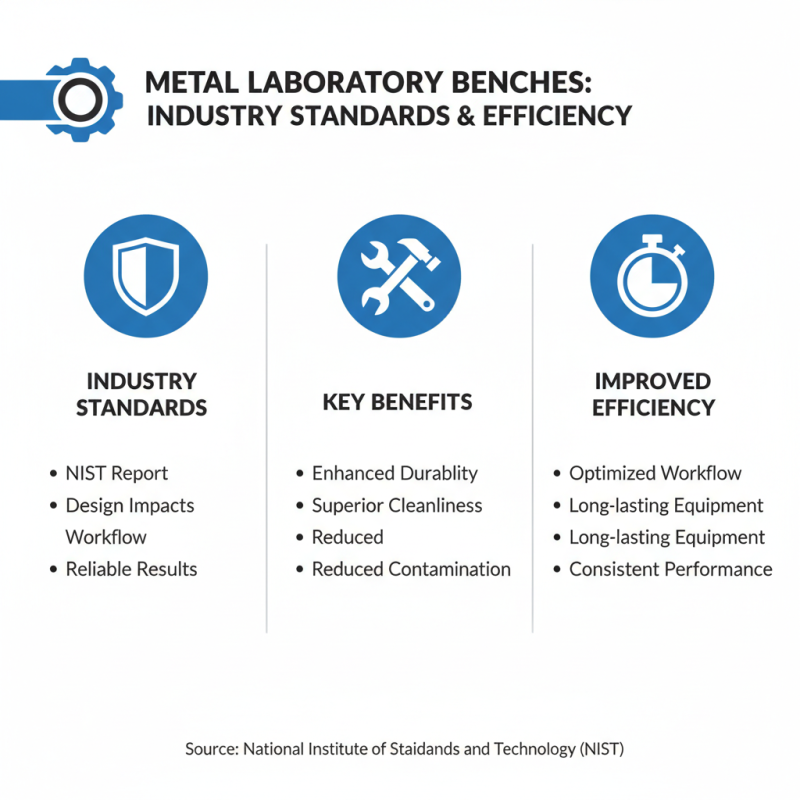
When evaluating metal laboratory benches, industry standards play a crucial role. According to a report by the National Institute of Standards and Technology (NIST), the design of lab benches significantly impacts workflow efficiency. Metal benches enhance durability and cleanliness. These features reduce contamination risks and ensure reliable results.
Data reveal that labs with efficient bench designs experience a 20% increase in productivity. Proper height and layout facilitate better movement and accessibility. Yet, many labs overlook ergonomics in their setups. This can lead to worker fatigue and decreased morale. A well-designed bench not only accommodates tools but also supports the users effectively.
Moreover, materials and finishes matter. Stainless steel is often favored for its resilience against chemicals. However, the choice of materials should not compromise usability. Some benches lack adequate storage, hindering organization. This oversight can slow down experiments and impact timelines crucial to research projects. Balancing industry standards against practical needs remains essential for optimal lab performance.
Cost-Benefit Analysis of Upgrading to Modern Metal Laboratory Benches
Upgrading to modern metal laboratory benches can significantly enhance lab efficiency. These benches are sturdy and resistant to chemicals. They provide a stable working surface for various experiments. When assessing the cost of upgrading, it's essential to consider long-term benefits. A durable bench may have a higher upfront cost. However, its longevity can lead to fewer replacements and repairs.
Calculating the cost-benefit ratio reveals surprising insights. While traditional wooden benches may seem cheaper, they often wear out quickly. Metal benches, on the other hand, can handle heavy use. They are easier to clean and maintain. This reduces maintenance costs over time. Furthermore, the aesthetic appeal of a modern laboratory can improve morale and productivity. A well-organized workspace promotes focus.
Reflecting on the transition, some labs may hesitate. The upfront investment can be daunting. Understanding the long-term advantages requires careful assessment. Balancing cost and efficiency is crucial. Ultimately, evaluating specific lab needs will guide the decision. Before making a final choice, gather input from team members. This collaboration can highlight concerns and needs, making the transition smoother.
2026 Best Metal Laboratory Bench for Efficient Lab Work
| Bench Model |
Material |
Dimensions (L x W x H) |
Weight Capacity (lbs) |
Price ($) |
Features |
| Model A |
Stainless Steel |
60"x30"x36" |
300 |
1,200 |
Chemical Resistant, Adjustable Height |
| Model B |
Aluminum |
72"x30"x36" |
500 |
1,800 |
Lightweight, Durable |
| Model C |
Steel |
48"x30"x30" |
400 |
900 |
Scratch Resistant, Modular Design |
| Model D |
Galvanized Steel |
60"x30"x34" |
350 |
1,050 |
Weather Resistant, Easy to Clean |