What are the Best Laboratory Workbenches for 2026?
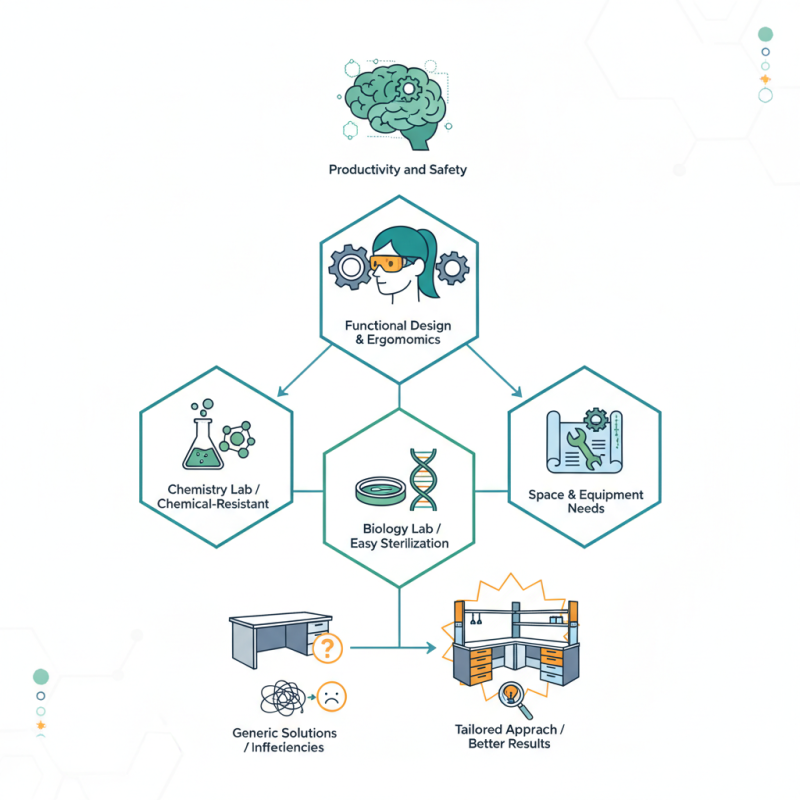
In the rapidly evolving field of laboratory workspaces, choosing the right laboratory workbench is crucial for productivity and safety. Dr. Emily Chen, an expert in laboratory design, emphasizes, “The right workbench can transform how researchers engage with their experiments.” Her insights shed light on the importance of functional design and ergonomics in a laboratory setting.
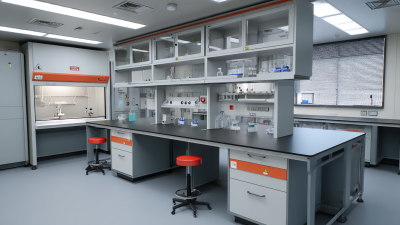
Laboratory workbenches come in various styles, materials, and configurations. The ideal workbench caters to specific tasks. For instance, a chemistry lab needs chemical-resistant surfaces, while a biology lab may prioritize easy sterilization. Each detail counts and can enhance user experience significantly.
However, with so many options available, making a choice can be overwhelming. Researchers must consider factors like space and equipment needs. Often, laboratories opt for generic solutions, which may lead to inefficiencies. A tailored approach, despite its challenges, often yields better results. The quest for the perfect laboratory workbench is complex, yet essential for advancing scientific research.
Overview of Laboratory Workbenches in 2026
Laboratory workbenches in 2026 are evolving rapidly. With the increased demand for versatility, these workspaces are becoming multifunctional. They feature adjustable heights and modular designs, catering to various research needs. This adaptability supports both collaborative efforts and individual tasks. The materials used are more sustainable, aiming for eco-friendliness in laboratory settings.
Customization is a key trend. Many laboratories are prioritizing ergonomic designs to enhance user comfort. However, not all options are equally effective. Some workbenches may lack stability, leading to potential mishaps. Consider the importance of surface material too. Choosing the right surfaces can impact cleanliness and durability.
Another aspect to reflect on is technology integration. Smart features are becoming common but can be overwhelming. Users sometimes struggle to keep up with rapid advancements in lab technology. Balancing innovation with practicality is critical. A well-designed workbench should support both traditional techniques and modern approaches. Finding this balance remains a challenge for many laboratories.
Key Features to Consider When Selecting a Laboratory Workbench
When selecting a laboratory workbench for 2026, consider several key features. Durability is vital. Look for materials that withstand daily wear and tear. A bench made from high-quality laminate or stainless steel often meets this need. Stability is also essential. A sturdy frame prevents wobbling during experiments.
Ergonomics play a crucial role. An adjustable height can enhance comfort during long hours of work. Think about the layout too. A spacious surface encourages organization. Drawers and shelves can help keep essential tools within reach. Lighting is another factor. Well-placed task lights reduce eye strain.
Lastly, adaptability is important. Future needs may change. An easy-to-reconfigure design allows for adjustments. Reflect on how frequently your workbench might need updates. A flexible option can save time and resources in the long run. Balancing these features is crucial for an effective laboratory environment.
Best Laboratory Workbenches for 2026
Top Materials Used in Laboratory Workbench Construction
In 2026, laboratory workbenches are evolving with new materials. The choice of materials affects durability and functionality. A popular option is epoxy resin. It resists chemicals and is easy to clean. This makes it suitable for various lab environments. However, it can be prone to scratching. Regular maintenance is crucial to ensure longevity.
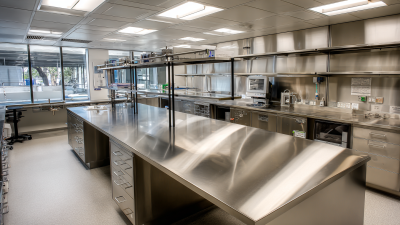
Another material gaining traction is stainless steel. It's strong and resistant to rust and corrosion. Stainless steel surfaces can withstand high temperatures. Yet, they can be cold and uninviting for long hours of work. This might impact user comfort over time.
Wood remains a traditional choice, offering warmth and aesthetics. Solid wood provides great support and is naturally resilient. However, wood is more susceptible to damage from spills. Regular sealing and care are necessary to minimize wear and tear. Each material has its pros and cons. Choosing the right one requires careful thought and consideration.
Innovative Designs and Technologies in 2026 Workbenches
Laboratory workbenches in 2026 are set to feature innovative designs and advanced technologies. The trend leans towards modular systems that adapt to diverse research needs. Reports suggest that 75% of labs will prioritize flexibility in workspace design. This shift allows teams to configure their areas according to project demands, enhancing productivity.
Ergonomics play a crucial role in modern workbench designs. According to recent studies, a well-structured workstation can boost efficiency by up to 30%. Adjustable height platforms and anti-fatigue surfaces are gaining popularity. These features not only improve comfort but also support prolonged engagement during experiments.
Tips: Always consider workflow when choosing a workbench. Analyze the tasks you perform most frequently. A cluttered workspace can greatly hinder progress. Another important detail is the choice of materials. Consider using surfaces that resist chemicals and stains. Investing in robust materials can lead to long-term savings despite initial costs.
Leading Brands and Models of Laboratory Workbenches for 2026
When selecting a laboratory workbench for 2026, several characteristics stand out. Durability is crucial. A sturdy workbench can prevent accidents. Many models are designed to handle heavy equipment and corrosive substances.
Storage options are also vital. Some workbenches offer ample drawers and shelves. This facilitates organization. An unorganized workspace can lead to frustration. It may hinder productivity. A clean workspace, on the other hand, enhances focus.
Ergonomics play a significant role too. Adjustable heights can accommodate various users. Comfort can affect hours spent at the bench. Additionally, material choices are important. Laminate surfaces are popular for easy cleaning. However, they may not always withstand heavy use. Selecting the right workbench means balancing these factors with budget constraints.