10 Best Lab Faucets for Every Laboratory Need?
In every laboratory, choosing the right Lab Faucet is crucial for both efficiency and safety. According to a recent report by Lab Equipment Insights, approximately 35% of lab accidents stem from improper handling of faucets. These devices are integral in maintaining a controlled environment, crucial for experiments. As Dr. Samuel Greene, an industry expert, states, "A Lab Faucet can be the difference between a successful experiment and a hazardous incident."
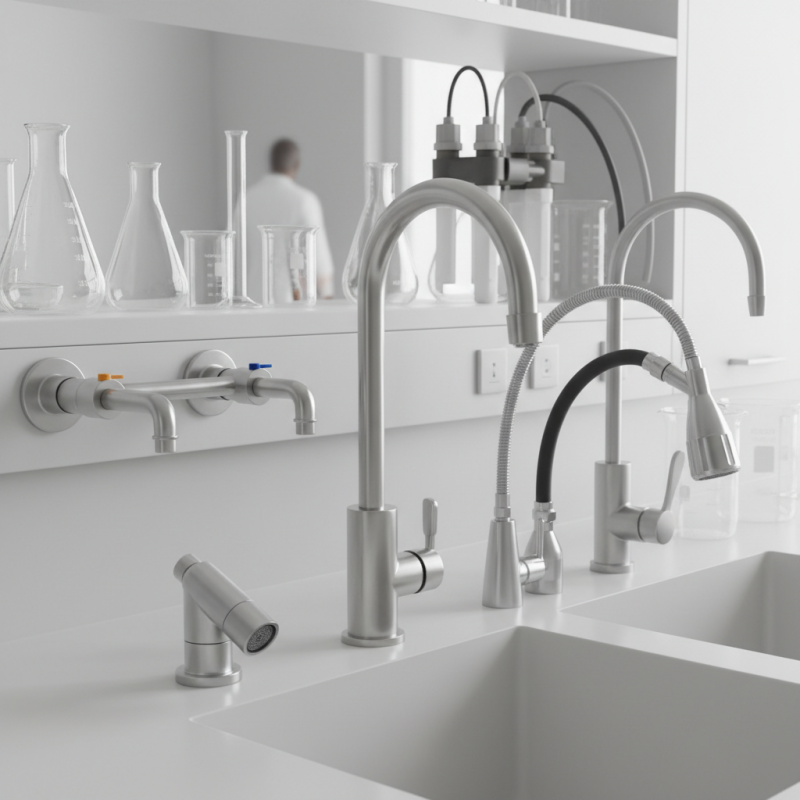
Lab Faucets come in various styles, accommodating unique lab needs. From gooseneck to wall-mounted designs, each type serves specific functions. The wrong choice can lead to water wastage or compromised results. For instance, laboratory operations often require precise water flow control. A faucet that doesn’t meet these needs might disrupt the workflow. Reports show that around 70% of laboratories do not prioritize faucet selection, which can be a alarming oversight.
Reflection is necessary when equipping a laboratory. Relying on generic models could create hidden risks. Choosing the best Lab Faucet is not just about functionality; it’s about fostering a safe work environment. Thoughtful consideration and insight from experts are essential for making informed decisions in this vital aspect of lab design.
Types of Lab Faucets: Understanding Different Varieties Available
When it comes to lab faucets, understanding the types available is crucial. Each type serves different purposes, tailored to specific laboratory needs. For example, standard laboratory faucets are simple and functional. They offer basic water flow, suitable for everyday use. However, they lack any advanced features that some labs may require.
Another type is the gooseneck faucet. Its design allows for better clearance, making it easier to fill larger containers. This design can also reduce splashing, which is vital in maintaining a clean working environment. Nevertheless, some users might find that the height is not adjustable, which can lead to inconvenience.
Mixing faucets combine hot and cold water, ideal for processes that require precise temperature control. Users appreciate their flexibility, but these faucets can be more complicated to maintain. They often have more parts, which may lead to more frequent issues. All types of lab faucets have their strengths and weaknesses. Selecting the right one involves understanding your laboratory’s specific demands and workflows.
Top 10 Lab Faucets Reviewed for Durability and Functionality
Choosing the right lab faucet is crucial for any laboratory. The ideal faucet must combine both durability and functionality. A sturdy faucet can withstand daily use in a busy lab. It should resist corrosion and leaks, ensuring a reliable water source. Features like pull-down sprayers and hands-free operation can enhance usability.
Look for models with adjustable flow rates. This can help conserve water while providing sufficient pressure for various tasks. A faucet should also be easy to clean. Spills can happen, and a quick wipe-down is essential. Some designs have smoother finishes that resist stains and grime.
Not all faucets are created equal. Some options may appear robust but fail under pressure. Others may leak over time, leading to inefficiencies. Reflecting on user reviews can uncover these issues. Real-world feedback often highlights potential flaws or unexpected advantages. Prioritize faucets that balance form and function to meet your lab's diverse needs.
Installation Considerations for Lab Faucets in Various Settings
Installation considerations for lab faucets vary widely. Different lab settings may require unique specifications. For instance, a biology lab might need a faucet with a specific reach. In contrast, a chemistry lab could benefit from enhanced durability to withstand corrosive materials. These details matter.
Placement is crucial too. A faucet too far from the sink can lead to splashing. Proper height is essential for both comfort and safety. It must accommodate various users without difficulty. However, this can easily be overlooked during planning.
Also, plumbing requirements can differ significantly. Standard connections may not work for specialty faucets. Some setups may demand additional reinforcement. Without proper knowledge, installation can lead to leaks or poor functionality. Being mindful of these factors helps minimize potential issues.
Maintenance Tips to Ensure Longevity of Lab Faucets
Laboratory faucets play a crucial role in many scientific settings. Proper maintenance is vital for ensuring their longevity. Data shows that nearly 40% of lab equipment failures are due to lack of maintenance. Regular checks can help avoid costly repairs or replacements.
One key maintenance tip is to check for leaks. Even minor drips can lead to significant water waste and increase your utility bills. Inspect the faucet regularly. A damaged O-ring can be easily replaced, preventing further damage. Make sure the faucet is clean and free from corrosion. Use appropriate cleaning agents that do not harm the materials.
Another tip involves the aerators. These small devices reduce water flow but should be cleaned frequently. Sediment buildup can block water flow, affecting performance. Research indicates that lab faucets with regular aerator maintenance last up to 30% longer. Additionally, consider the water quality. Hard water can affect faucet lifespan. Occasionally testing water can help identify potential issues.
10 Best Lab Faucets for Every Laboratory Need
The chart above displays the ratings for essential features of lab faucets based on various metrics including durability, ease of use, flow rate, maintenance, cost, and versatility. Ensuring the right choice among these factors can greatly enhance the effectiveness and longevity of lab faucets in any laboratory setting.