2026 Best Lab Desk Options for Your Home Office Needs?
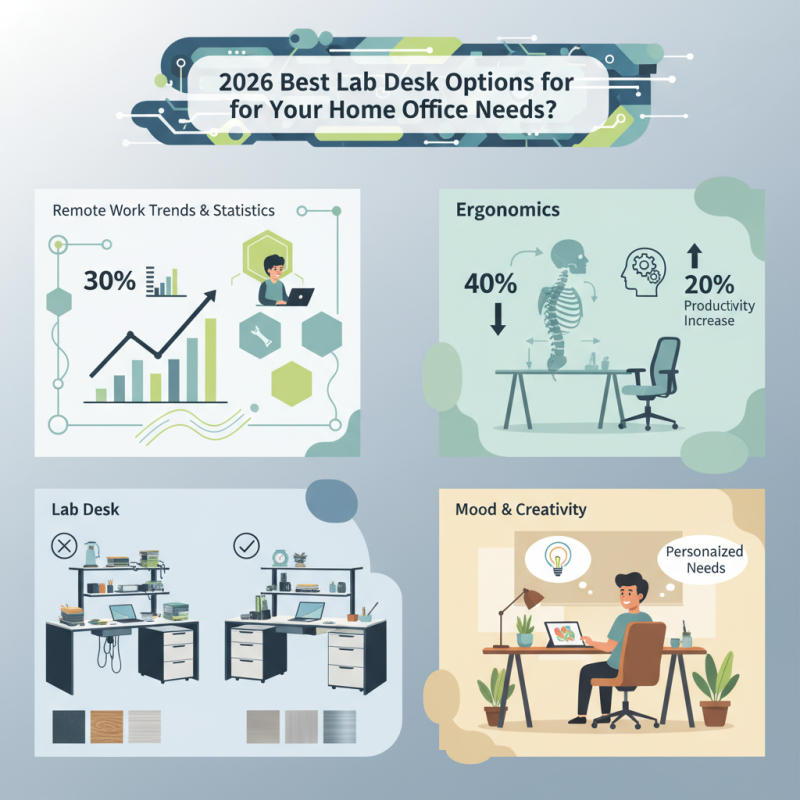
As remote work continues to thrive, the need for effective home office solutions has never been greater. According to a recent report from Global Workplace Analytics, around 30% of the workforce will be remote by 2026. This underscores the importance of selecting the right furniture, particularly a high-quality Lab Desk, to facilitate productivity and organization.
Choosing a Lab Desk means considering various factors. Ergonomics play a critical role; studies show proper desk height can reduce back pain by 40%. Additionally, an efficient workspace can increase productivity by up to 20%. However, many people overlook the significance of surface materials and design. Not all Lab Desks are created equal. Some may lack necessary features, leading to frustration and inefficiency.
Furthermore, the aesthetic appeal of a Lab Desk can influence mood and creativity. Evaluating options based on your specific needs is crucial. A Lab Desk that might work for one professional can fail another. Reflecting on personal workspace requirements is essential, especially when investing in long-term solutions. Choosing wisely can transform your home office experience, leading to both improved focus and satisfaction.
Top Considerations for Selecting a Lab Desk for Home Office Use
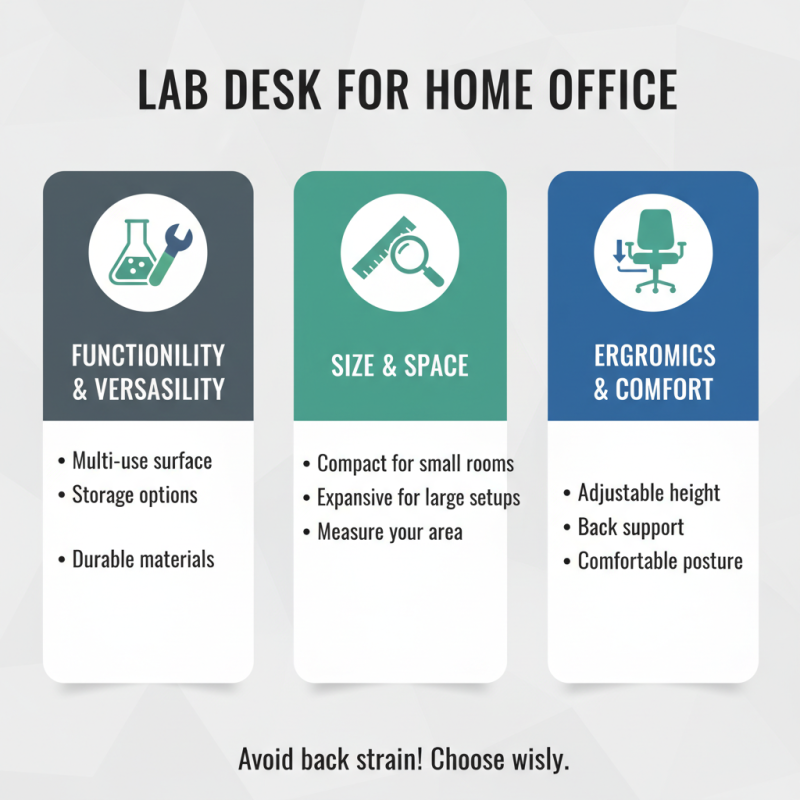
When choosing a lab desk for your home office, think about your specific needs. A lab desk should be functional and versatile. Consider the size of your space. If your office is small, a compact desk may be ideal. On the other hand, larger spaces allow for more expansive setups. Choose a height that is comfortable for you. It’s important to avoid straining your back while working.
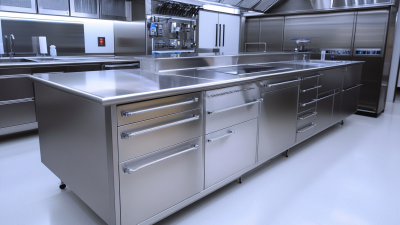
Material is another critical factor. A sturdy desk can withstand heavy equipment. It should be resistant to stains and spills. This is especially important if you work with liquids or chemicals. Don’t overlook storage options, either. Drawers and shelves can help keep your workspace organized. However, clutter can still become an issue. Regularly assessing your space is essential.
Finally, consider the aesthetics. A lab desk doesn’t need to be purely functional. It can reflect your personal style. However, avoid overly decorative elements that could distract you. Balance is key. Remember, the ideal lab desk combines form and function, but it may take time to find the perfect fit for your setup.
Materials and Durability: Choosing the Right Laboratory Desk
Choosing the right laboratory desk for your home office involves understanding various materials and their durability. A study by the American Society for Testing and Materials shows that high-pressure laminate tops withstand wear better than traditional wood surfaces. If you frequently work with chemicals, opt for epoxy resin counters. They resist stains and protect against harmful spills.
When searching for a durable desk, consider the frame material too. Steel frames provide excellent sturdiness. They support heavy equipment without wobbling. However, wooden desks can offer a warmer aesthetic but may not endure heavy lab activities as well. Look for certifications that showcase durability and safety standards.
Tip: Always check the weight capacity of a desk before purchase. This helps ensure it meets your needs. Also, evaluate the desk dimensions to fit your space appropriately. Remember, while aesthetics matter, functionality and durability are key for a laboratory setting. A desk that does not fit your requirements may lead to productivity losses. It is essential to find a balance between style and practical use.
Ergonomics and Comfort: Ensuring a Productive Workspace
Creating a productive workspace requires a focus on ergonomics and comfort. An ideal lab desk combines functionality with support. Adjustable height features can accommodate various postures. This helps reduce strain during long hours of work. A desk that encourages movement can enhance productivity. It's important to consider materials as well. Smooth surfaces and durable finishes can minimize distractions and enhance workflow.
Chair selection is equally crucial. A good chair provides lumbar support. It should adjust to your body size and shape. Ultimately, comfort improves concentration. Many users overlook the importance of lighting, too. Natural light is preferable, but task lighting can help reduce eye strain. Clutter can also affect your comfort. Keep the desk organized to minimize stress.
Remember, it's normal to feel discomfort during long projects. Sometimes, we settle for less than ideal setups. Do a self-check; notice any discomfort or distractions. Adjust your environment to suit your needs better. Reflection on these aspects can lead to significant improvements in your working experience. Take the time to create a space that truly supports your productivity.
2026 Best Lab Desk Options for Your Home Office Needs
Storage Solutions: Maximizing Efficiency in Your Lab Desk Setup
When setting up a lab desk at home, effective storage solutions are essential. A well-organized desk enhances productivity. Think about using stackable drawers. They maximize vertical space. You can store supplies without taking up too much room. Open shelving is another option. It keeps frequently used items accessible.
Consider a pegboard for tools. This adds versatility to your workspace. You can customize it to fit your needs. However, be cautious. Overcrowding can become an issue. Keep essential items within reach, but avoid clutter. It feels chaotic.
Adding labeled bins can help. Each bin serves a distinct purpose. You can categorize supplies easily. This method reduces time spent searching. It's straightforward yet effective. However, revisiting your organization system is necessary. What works today may not suit your needs tomorrow. Reflect on how your workflow evolves, and adjust accordingly.
Cost vs. Value: Finding the Best Lab Desk Within Your Budget
When selecting a lab desk for your home office, balancing cost and value is crucial. A recent study indicated that ergonomic desk setups could enhance productivity by up to 15%. This statistic highlights the importance of investing wisely in your workspace. Quality lab desks provide necessary support for long hours of work, reducing fatigue and improving focus.
Budget constraints often lead to compromises. You might find tempting affordable options, but they could lack essential features. A cheap desk can affect both comfort and efficiency. According to the National Institute of Health, poor desk ergonomics can lead to increased health issues, including chronic pain. Therefore, spending a bit more on a well-constructed desk might save you future medical bills.
Consider your specific needs before making a purchase. A multi-functional desk can often justify a higher price point. For instance, desks with built-in storage can help maintain an organized environment. Yet, not every desk labeled as "high-quality" offers true value. Reading professional reviews and examining user feedback are vital steps. They provide insights that numbers alone cannot convey. Balancing cost and quality requires careful thought. Reflect on what features are genuinely beneficial for your work style.
2026 Best Lab Desk Options for Your Home Office Needs - Cost vs. Value
| Desk Model |
Dimensions (L x W x H) |
Material |
Weight Capacity |
Price ($) |
Value Rating (out of 5) |
| Basic Lab Desk |
60 x 30 x 29 in |
Laminate |
200 lbs |
150 |
4.0 |
| Ergonomic Lab Desk |
48 x 24 x 28-30 in |
Metal & Wood |
250 lbs |
220 |
4.5 |
| Adjustable Lab Desk |
60 x 30 x 28-48 in |
Steel & Glass |
300 lbs |
300 |
5.0 |
| Compact Lab Desk |
42 x 24 x 29 in |
MDF |
150 lbs |
100 |
3.5 |
| Professional Lab Desk |
72 x 30 x 30 in |
Composite Wood |
400 lbs |
500 |
4.8 |