Best Lab Desk Options for Efficient Workflow and Productivity?
In today's fast-paced research environment, selecting the right Lab Desk can significantly enhance workflow and productivity. A well-designed workspace minimizes distractions and facilitates efficient task completion. According to a report by the National Laboratory Association, effective laboratory settings can improve overall productivity by up to 30%. This statistic underlines the importance of an optimized Lab Desk.
Dr. Emily Chen, a notable expert in laboratory ergonomics, states, "A well-structured Lab Desk is fundamental to achieving not just efficiency, but also a sustained focus." This insight emphasizes the crucial role that an appropriate Lab Desk plays in high-stakes research situations. Moreover, it’s essential to consider features such as adjustable heights, ample storage, and integrated technology when choosing a Lab Desk.
However, not all Lab Desks are created equal. Some designs may fall short in providing necessary workspace, leading to clutter and inefficiency. Lab managers often encounter challenges in balancing cost with functionality, potentially compromising their team's performance. Reflecting on these factors is vital in selecting equipment that truly supports lab activities.
Factors to Consider When Choosing a Lab Desk for Efficiency
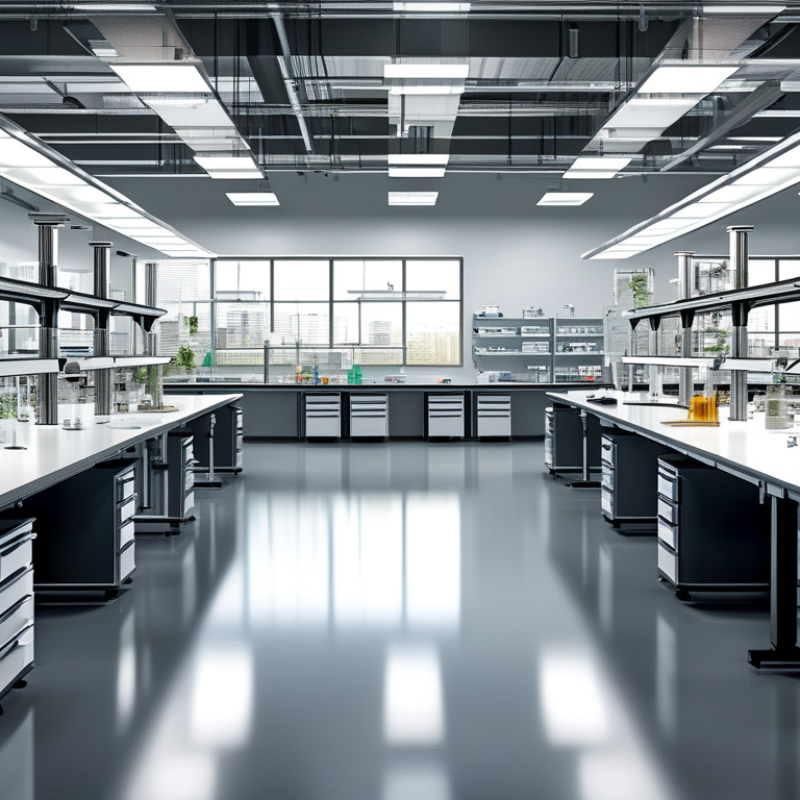
Choosing the right lab desk can greatly influence workflow and productivity. It's essential to consider various factors before making a decision. Start with material selection. A durable surface can handle spills and wear. Look for a desk that is easy to clean and resists stains. This ensures your work area remains organized and functional over time.
Ergonomics is another key factor. A properly designed desk supports your body and reduces strain. Ensure the desk height aligns with your tasks, preventing discomfort during long hours of work. Consider adjustable options that cater to different users. This flexibility can enhance overall workflow efficiency.
**Tip:** Create a designated space for essential tools. This minimizes time spent searching for equipment. Organization is crucial in a lab environment.
Don’t overlook storage solutions. A lab desk with integrated storage helps keep essentials within reach. However, too much storage can clutter your workspace. Reflect on your needs to find the right balance. Consider what you use most frequently, and design your setup accordingly.
Best Lab Desk Options for Efficient Workflow and Productivity
| Feature |
Description |
Importance |
Recommendation |
| Material |
Sturdy materials like laminate or stainless steel for durability. |
Critical |
Choose desks with high-quality materials. |
| Height Adjustment |
Ability to adjust height for sitting or standing work. |
Very Important |
Opt for adjustable desks to promote ergonomic practices. |
| Storage Options |
Built-in cabinets and drawers for organizing equipment. |
Important |
Select desks with adequate storage solutions. |
| Workspace Size |
Desk size should match available space and workflow needs. |
Very Important |
Measure space before purchasing to get the right fit. |
| Cable Management |
Features for managing cords and cables effectively. |
Important |
Look for desks with built-in cable management systems. |
Types of Lab Desks Suitable for Different Workflows
Choosing the right lab desk is crucial for enhancing workflow and productivity. Different types of lab desks cater to various needs. For instance, a mobile lab desk offers flexibility. This type can be moved easily, allowing adjustments based on workflow changes. Many researchers find this adaptability essential in dynamic environments.
Another option is the height-adjustable lab desk. Such desks promote ergonomic practices. Users can switch between sitting and standing, reducing fatigue. It’s vital for maintaining focus during long experiments. However, height adjustment may require careful calibration.
Specialized lab desks are also available. For example, chemical-resistant surfaces are vital for chemistry labs. These surfaces withstand spills and harsh substances. In contrast, cleanroom desks focus on minimizing contamination. They often feature smooth, non-porous materials. Not all desks are suitable for every lab environment. It’s important to evaluate specific requirements regularly. Your choice can significantly impact efficiency and comfort in daily tasks.
Essential Features of a Functional Lab Desk
When selecting a lab desk, functionality is key. A great lab desk should accommodate various tasks. Consider materials like durable laminate or sturdy steel. These materials are easy to clean and withstand spills. The desk should also offer ample surface area for your equipment and projects. A clutter-free workspace enhances focus and efficiency.
Tips: Choose a desk height that promotes good posture. This can significantly impact productivity. Adjustable desks can provide flexibility for different users. Ensure there’s sufficient storage for tools and supplies. Drawers and shelves should be easily accessible. Organization prevents disruption during experiments and analysis.
Lighting plays a crucial role too. A well-lit workspace minimizes eye strain. Good lighting can improve accuracy in lab work. You might want to add overhead fixtures or task lamps. Additionally, consider cable management options. Wires can create hazards and distractions. Cleanliness and organization should be ongoing concerns in any lab. Regularly assess your setup to see what’s working. Adjustments can lead to better workflow.
Tips for Organizing Your Lab Desk for Maximum Productivity
A well-organized lab desk can greatly enhance workflow and productivity. Start by
decluttering. Remove any items that are not essential for your daily tasks. Use drawers or bins to store tools and supplies. This minimizes distraction and maximizes focus.
Consider the layout of your workspace. Tools you use frequently should be within reach. Place less common items farther away. This way, you’ll avoid unnecessary movements that interrupt your concentration.
Install vertical storage solutions, like shelves, to save desk space. It’s a practical way to keep important materials visible yet organized.
Don’t forget about personal touches. A few motivational quotes or a small plant can uplift your spirit. However, be cautious not to overdo it; too many items can lead to chaos.
Regularly assess your desk's organization. Reflect on what works and what doesn’t. Adapting your environment is key to maintaining productivity. Consider your habits and make adjustments as needed.
Maintaining Your Lab Desk for Long-Term Efficiency
Maintaining a lab desk is as crucial as choosing the right one. A well-organized desk enhances productivity. Regular cleaning eliminates dust and clutter. Clutter can obstruct workflow. It’s essential to develop a routine for upkeep. Dedicate time each week for a thorough clean.
Equipment and supplies should be easy to access. Use storage solutions that fit your space. Labeling containers can save time. Misplaced items waste valuable minutes. Consider ergonomic arrangements to support physical comfort. Sometimes, adjustments reveal inefficiencies in your layout. Reflect on your daily tasks to identify improvements.
Investing in organization tools can yield long-term benefits. However, be mindful of changing needs. What works now may not suit future projects. Assess your setup periodically and adjust as necessary. Embracing flexibility in your workspace can lead to a more productive environment. Efficiency is an ongoing process; it requires attention and adaptation.
Best Lab Desk Options for Efficient Workflow and Productivity