2026 Top Modular Laboratory Furniture Trends for Buyers?
In the rapidly evolving landscape of laboratory design, the emergence of Modular Laboratory Furniture has captured significant attention. Buyers are increasingly seeking versatile solutions that adapt to their unique needs. This furniture type offers flexibility, enabling easy reconfiguration to meet changing workflows.
As technology advances, so do the trends surrounding Modular Laboratory Furniture. Design elements now emphasize not only functionality but also aesthetics and sustainability. Incorporating eco-friendly materials and innovative designs is becoming essential. Buyers are tasked with selecting options that balance performance and environmental responsibility.
However, the process can be challenging. Many buyers may overlook the importance of ergonomics or the long-term scalability of their choices. Evaluating these aspects is crucial for investment value. The trend toward modular solutions urges a rethink of traditional laboratory structures, encouraging a more dynamic approach to space management. Understanding these trends will empower buyers to make informed decisions in 2026 and beyond.
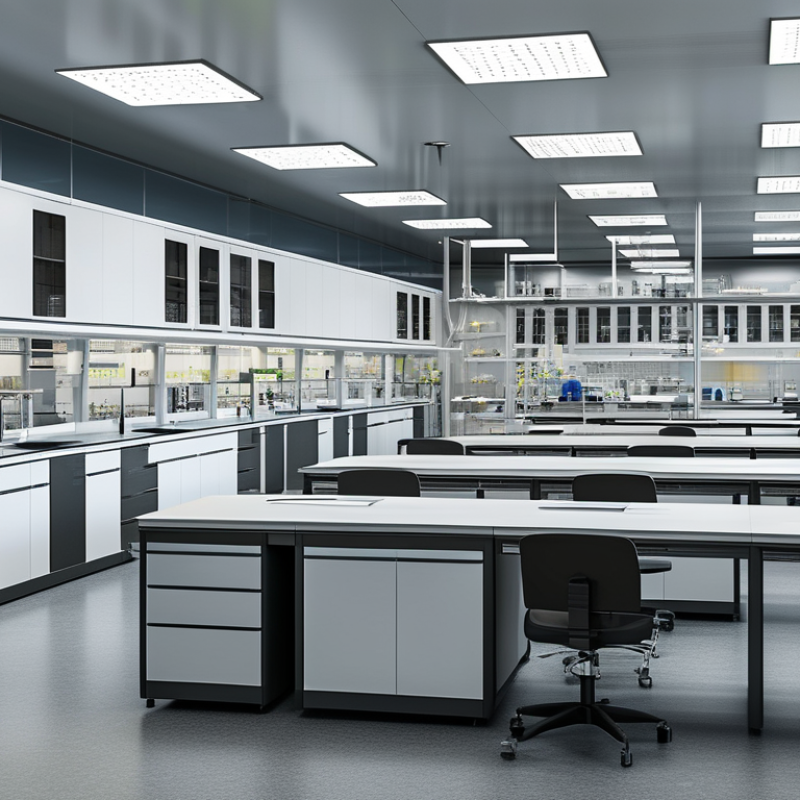
2026 Modular Laboratory Furniture: Key Trends Shaping Buyer Decisions
The laboratory furniture market is evolving rapidly. Key trends are now influencing buyer decisions significantly as we look ahead to 2026. According to recent industry reports, 67% of laboratory managers prioritize flexibility in their workspace. This shift stems from the need for adaptability in various research functions and projects. Modular furniture allows easy reconfiguration, catering to diverse needs.
Sustainability is another major trend shaping buyer preferences. Research shows that 54% of laboratories will invest in eco-friendly furniture by 2026. This shift is driven by increasing awareness of environmental impact. Buyers are now seeking materials that are recyclable and make use of renewable resources. Transparent sourcing and manufacturing processes also play a crucial role in the decision-making landscape.
However, buyers often face challenges when integrating new modular solutions. Incompatibility issues can arise between existing setups and new units. Furthermore, navigating the vast array of choices can seem daunting. Buyers must conduct thorough research to identify what truly meets their functional and aesthetic needs. The key will be balancing budgetary constraints with the desire for innovation and sustainability.
Sustainable Materials: The Eco-Friendly Shift in Laboratory Furniture Design
The shift towards sustainable materials in laboratory furniture design is gaining momentum. According to a recent report by the Global Industry Analysts, the market for eco-friendly laboratory furniture is projected to grow significantly, reaching over $2 billion by 2026. This surge reflects increasing awareness of environmental issues and the need for laboratories to adopt greener practices.
Sustainable materials, such as recycled metal and bamboo, are emerging as popular choices. They not only reduce waste but also provide durability and functionality. A survey conducted by the Lab Furniture Research Group found that nearly 70% of laboratory managers expressed interest in purchasing green furniture. However, there remain challenges in sourcing high-quality sustainable materials. Many options may lack the strength or resilience needed for heavy laboratory use, raising questions about the trade-offs involved.
Furthermore, while the desire for eco-friendly products grows, the costs associated with these materials might deter some buyers. Higher initial investments can lead to concerns about budget constraints. It's essential to weigh the long-term benefits against upfront costs. As the industry evolves, creating a balance between sustainability and practicality will be crucial for lab managers looking to modernize their spaces responsibly.
Customization in Modular Design: Meeting Specific Laboratory Needs
Customization in modular laboratory furniture is essential for meeting specific laboratory needs. According to a recent market analysis, the demand for tailored solutions has risen by 40% in the past two years. Labs require furniture that adapts to varying workflows and specialized processes. This is where modular designs come into play. They offer the flexibility to rearrange components as needed, ensuring that even the smallest spaces are utilized effectively.
When selecting modular furniture, consider how it can fit your lab's unique needs. For instance, adjustable-height tables cater to user preferences and ergonomics. Labs focused on biomedicine might require specialized sinks and storage for hazardous materials. Gathering data from your team can inform better design choices. Research shows that 70% of scientists feel more productive in well-furnished workspaces.
Designers face challenges ensuring all needs are met. Not every module will work seamlessly together. Often, compromises arise between aesthetics and functionality. Testing prototypes before full implementation can help avoid costly mistakes.
Get feedback from lab users frequently. They can identify flaws in design or functionality that you might overlook. Regular evaluations ensure that the furniture remains effective in supporting innovative work.
Ergonomics and Flexibility: Enhancing Lab Efficiency through Furniture Trends
In the ever-evolving landscape of laboratory settings, ergonomics and flexibility are paramount. Modern laboratories require furniture that not only supports various tasks but also adapts to different user needs.
Adjustable workstations, for instance, cater to a diverse workforce, allowing for tasks to be performed at optimal heights. This flexibility leads to improved comfort and productivity.
Consider incorporating mobile storage units. These can be easily relocated to suit the changing dynamics of a lab. This practice encourages collaboration, as team members can share spaces more efficiently. However, it’s crucial to ensure that each item remains easily accessible; clutter can negate the benefits of mobility.
Investing in ergonomic seating is another trend to consider. Chairs designed with lumbar support can significantly reduce fatigue during long hours of research or analysis. While aesthetics are important, functionality should take precedence.
A well-designed chair may feel right initially but could lead to discomfort over time if not aligned with individual needs. Regularly reassess what works for your team, as preferences and requirements can shift frequently in high-paced environments.
Integration of Technology: Smart Features in Modern Laboratory Furniture
The integration of technology into laboratory furniture is transforming modern labs. Smart features enhance functionality and user experience. For instance, height-adjustable desks can adapt to different tasks or individual needs. This flexibility promotes better ergonomics and comfort for lab personnel.
Incorporating sensors into lab furniture can provide real-time data. These sensors can monitor environmental conditions or equipment performance. This information helps improve safety and efficiency in the lab. Keeping an eye on potential hazards is essential for effective laboratory management.
When selecting laboratory furniture, consider how it supports technology integration. Look for modular designs that allow easy upgrades. Features like built-in charging stations or data ports can enhance usability. These elements facilitate a collaborative and innovative work environment.
Pay attention to the way furniture components interact. Materials and finishes should be durable yet easy to clean. A well-thought-out layout can minimize clutter, improving focus and productivity. Reflecting on your choices can lead to better long-term solutions in laboratory design.
2026 Top Modular Laboratory Furniture Trends for Buyers