2026 Top Mobile Lab Bench Trends for Efficient Laboratory Work?
The rise of the Mobile Lab Bench is transforming laboratory work. With advances in technology, these benches are becoming more efficient and versatile. Dr. Emily Chen, a leading expert in laboratory design, once stated, “Mobile Lab Benches provide flexibility that traditional setups cannot match.” This innovation allows scientists to adapt their workspaces dynamically.
Mobile Lab Benches enable quick reconfiguration, essential for different experiments. They enhance productivity by allowing researchers to move easily between tasks. However, not all designs prioritize ergonomic factors, which can lead to discomfort over long working hours. This is an area needing improvement.
As the demand for efficient laboratory work grows, the focus on Mobile Lab Bench trends will become more pronounced. Adjustments in design and functionality must reflect user needs. Innovation in this field is essential to meet evolving scientific challenges while prioritizing user well-being.
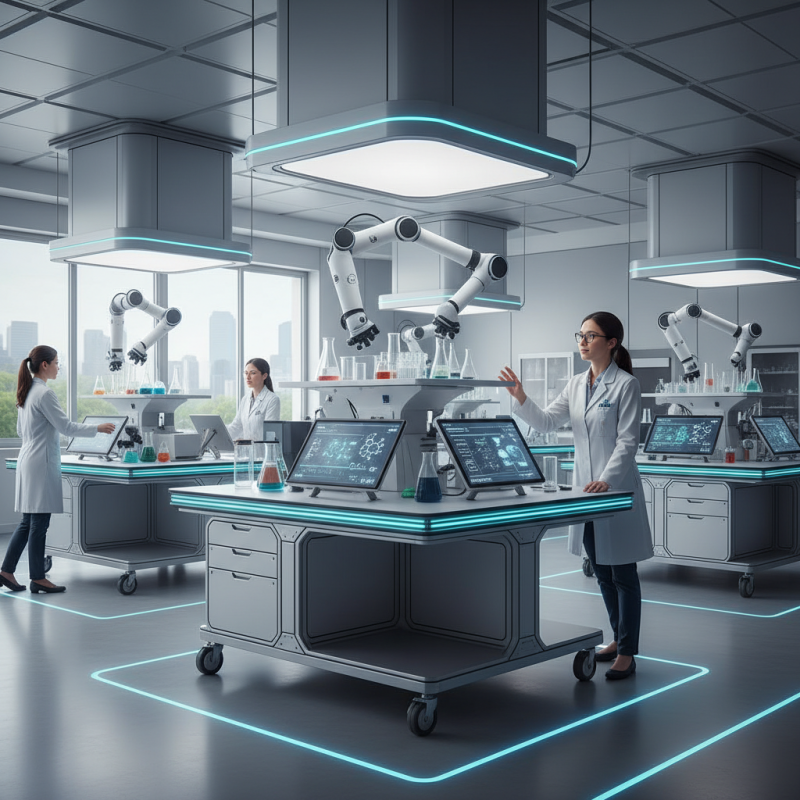
Emerging Technologies Shaping Mobile Lab Bench Designs by 2026
The future of mobile lab benches in laboratories is exciting. By 2026, we can expect several emerging technologies to redefine these essential work surfaces. One significant trend is the integration of smart technology. Mobile lab benches will feature built-in sensors and IoT devices. These innovations will help monitor important parameters like temperature and humidity in real-time.
Another focus will be on modular designs. This approach allows labs to customize their space according to specific needs. Imagine benches that can easily shift or expand. This flexibility can lead to more organized work environments, though it may also introduce challenges in maintaining order. Labs might struggle to manage different configurations effectively.
Sustainability will play a key role, too. Materials for benches are likely to become more eco-friendly, which is a step forward. However, some labs might find the transition to sustainable options difficult. Costs and availability might hinder progress, leading to potential setbacks. Balancing innovation with practicality will be crucial.
Key Elements of Efficient Mobile Lab Bench Configurations in Laboratories
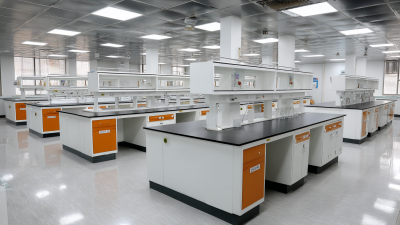
Mobile lab benches are becoming essential for modern laboratories. They provide flexibility and efficiency in various settings. A well-configured mobile lab bench should prioritize ergonomic design. Scientists spend long hours working; comfort is key. Adjustable heights help to accommodate different users. This reduces strain on backs and arms.
Storage solutions are also crucial. Bench space can quickly become cluttered. Including drawers and shelving keeps equipment organized. This saves time during experiments. Easy access to supplies is critical for maintaining workflow. However, over-organization can lead to chaos if not managed correctly.
Mobility is a common feature in modern lab benches. Casters allow for easy movement. Laboratories can change layouts swiftly based on needs. However, ensuring stability while in use is vital. Sometimes benches may wobble during experiments, leading to inaccuracies. Continuous adaptation and careful planning will shape the future of efficient laboratory work.
Impact of Ergonomics on Mobile Lab Bench Productivity and Safety
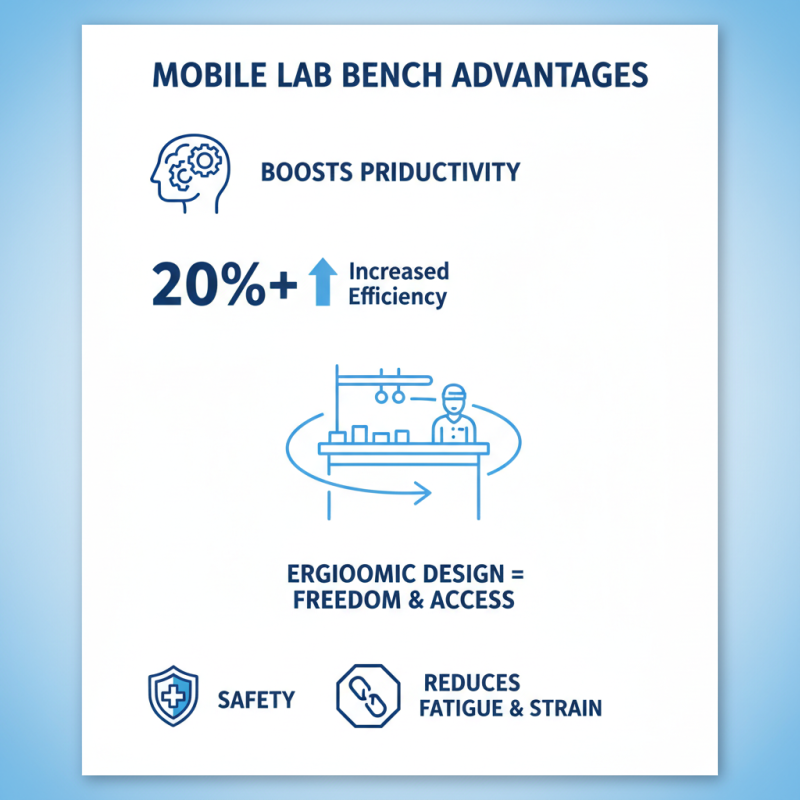
The design of mobile lab benches plays a crucial role in both productivity and safety in laboratory environments. Studies illustrate that ergonomic design can boost productivity by over 20%. A well-structured lab bench allows researchers to move freely, accessing tools without strain. This mobility is vital; improper workstation setup can lead to fatigue and decrease efficiency.
When considering safety, ergonomics directly impacts accident rates. A report by the National Institute for Occupational Safety and Health (NIOSH) found that ergonomically designed workspaces help reduce injury incidents by up to 30%. Mobile lab benches that adjust to the user's height and style minimize risks associated with repetitive strain injuries. This flexibility allows lab workers to maintain proper posture, significantly enhancing their focus and reducing distractions.
Yet, not all designs achieve this balance. Some mobile benches may still be poorly constructed, lacking critical adjustments. Increasing awareness about these shortcomings is essential. Investing in continuous training on ergonomic practices can address these gaps. It is important to scrutinize existing setups and encourage users to provide feedback on issues they face. This iterative process can lead to better-designed workspaces in the long run.
Integration of IoT and Automation in Future Mobile Lab Workspaces
The integration of IoT and automation is transforming mobile lab workspaces. Mobile laboratories are evolving to meet the demands of modern research and testing. Equipped with smart sensors, these labs can collect data in real-time. This connectivity allows for immediate analysis and reporting. Researchers can access data on their devices, reducing the need for physical paperwork.
Automation brings efficiency but also challenges. Machines can perform repetitive tasks faster than humans, but they lack critical thinking. Mistakes may arise from reliance on flawed data inputs. It’s essential to combine human oversight with automated systems. Moreover, the seamless integration of these technologies may overwhelm users. Training becomes critical to ensure proper usage.
Mobile labs offer flexibility, yet they come with limitations. Connectivity issues may disrupt data flow in remote areas. Navigating technical challenges requires continuous adaptation. Future designs should consider user experience and technical resilience. Balancing innovation with practicality is key to maximizing the potential of mobile laboratories.
2026 Top Mobile Lab Bench Trends for Efficient Laboratory Work