2026 Best Laboratory Workbench Buying Guide for Global Buyers?
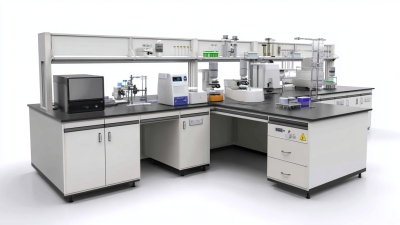
The laboratory workbench is a crucial component in research and testing facilities. According to a recent market analysis by Allied Market Research, the global laboratory workbench market is expected to reach $2.4 billion by 2027. This significant growth highlights the increasing demand for efficient and durable workstations in laboratories worldwide.
Dr. Emily Sanders, a leading expert in laboratory design, emphasized the importance of a well-structured workspace, stating, “An efficient laboratory workbench can enhance productivity and safety in any research environment.” The right laboratory workbench ensures that scientists have sufficient space for their experiments while providing essential storage solutions.
However, choosing the best laboratory workbench can be challenging. Many buyers overlook the importance of ergonomics and material durability. It is essential to consider the specific needs of your lab, such as space constraints and the types of experiments conducted. A tailored approach will ensure that your laboratory workbench meets operational requirements effectively.
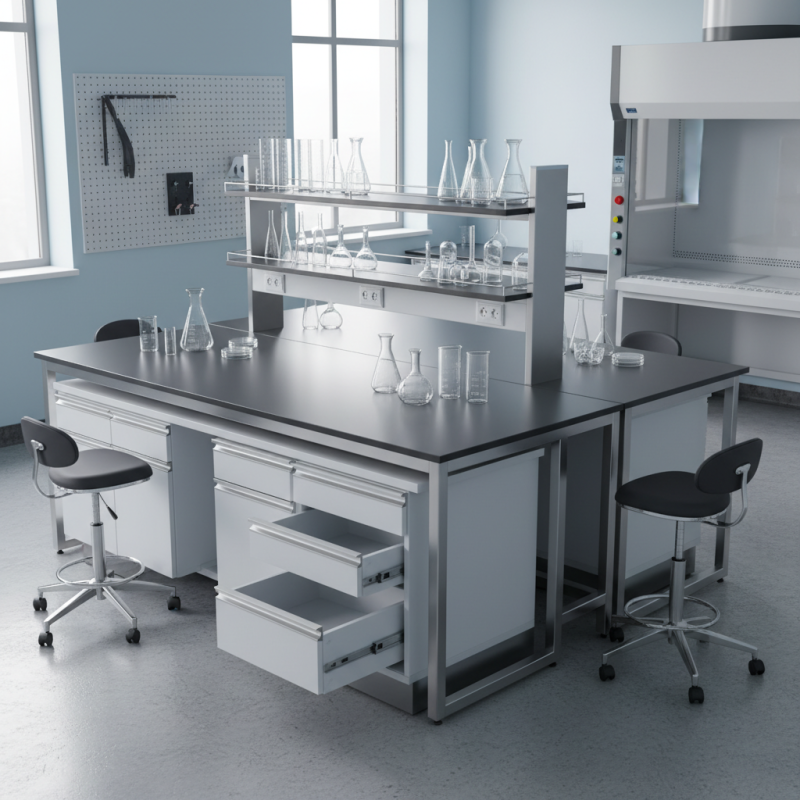
Factors to Consider When Selecting a Laboratory Workbench
When selecting a laboratory workbench, several factors come into play. The workbench must accommodate your specific needs. Consider the materials and design to ensure durability and functionality.
Stainless steel surfaces resist chemicals and provide a sturdy workspace. Laminated surfaces offer versatility and ease of cleaning.
Tips: Ensure the height of the workbench suits your comfort. An ergonomic design can prevent strain during long hours of work. Measure your lab space to find a perfect fit.
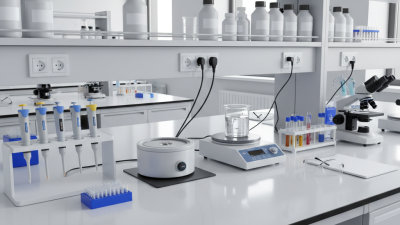
Also, think about storage options. Shelves and drawers enhance organization. A clutter-free workspace boosts productivity. Deciding on power outlets can be crucial, especially for electronic equipment. Make sure they are conveniently located.
Safety features should not be overlooked. Look for workbenches with rounded edges to prevent injuries. Some designs include integrated safety straps and fire-resistant materials. Always reflect on how your chosen workbench impacts safety in your lab environment. A well-chosen workbench sets the foundation for successful lab activities.
Types of Laboratory Workbenches and Their Uses
Laboratory workbenches come in various types, each designed for specific applications. The most common types include general-purpose workbenches, fume hood workbenches, and cleanroom workbenches. General-purpose benches provide a versatile surface for experimentation. They typically feature durable materials, allowing for chemical spills and heavy equipment. Users appreciate their adaptability, but they may not suit specialized tasks.
Fume hood workbenches are essential in environments where hazardous chemicals are involved. They come equipped with ventilation systems to safely expel toxic fumes. Although they offer safety, their complexity can lead to issues if not regularly maintained. Users sometimes forget to check filters, which can compromise effectiveness.
Cleanroom workbenches serve industries demanding contamination control, such as pharmaceuticals. These benches are made from non-porous materials and often include HEPA filters. While they are critical for maintaining sterile conditions, they require strict cleaning protocols. Users may find it challenging to keep them compliant with standards. Proper training is necessary for effective usage.
Materials and Durability: Choosing the Right Workbench for Labs
Choosing the right laboratory workbench requires careful consideration of materials and durability. For laboratory environments, workbenches need to withstand various chemicals and physical stress. A solid workbench made from high-quality materials ensures longevity. Common materials include stainless steel, laminate, and epoxy resin. Each material has its pros and cons. For example, stainless steel is sturdy but can be prone to scratches.
Tips: Consider the type of experiments conducted. If you handle corrosive substances, choose a bench with resistant surfaces. This prevents damage and maintains a clean workspace.
Durability is critical. Look for workbenches that offer warranties. A good warranty reflects the manufacturer's confidence in their product. Examine customer reviews too. They provide real-world insights into the workbench's performance over time.
Tips: Ensure the workbench has adjustable height features. This enhances ergonomic benefits and accommodates a range of users. Avoid workbenches that seem flimsy or poorly constructed. They may fail under pressure. Always assess both functionality and comfort. This holistic approach leads to better productivity in the lab.
Laboratory Workbench Material Durability Comparison
Ergonomics and Design Features in Lab Workbenches
When selecting a laboratory workbench, ergonomics and design features should be a priority. A well-designed workbench promotes comfort and efficiency. It reduces strain on the back, neck, and wrists. An adjustable height feature can accommodate different users, facilitating a healthy working posture.
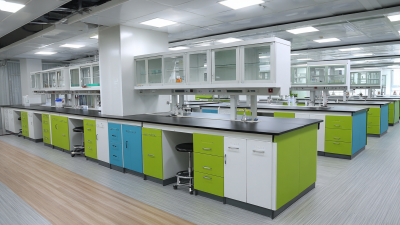
The material used in the workbench construction also plays a crucial role. Smooth surfaces prevent accidental spills while offering easy clean-up. It's worth considering benches with built-in storage solutions. Drawers and overhead shelves help keep the workspace organized. However, poor design choices can lead to clutter and frustration.
Aesthetic appeal is another factor. A visually pleasing workbench can create a positive atmosphere. Still, too much emphasis on design might overlook essential functionalities. Balancing form and function is vital. A workbench should enhance productivity, not hinder it with excessive ornamentation. Careful thought regarding ergonomics and design ensures that lab professionals can perform their tasks effectively without unnecessary physical strain.
Budgeting and Cost Considerations for Global Buyers of Lab Workbenches
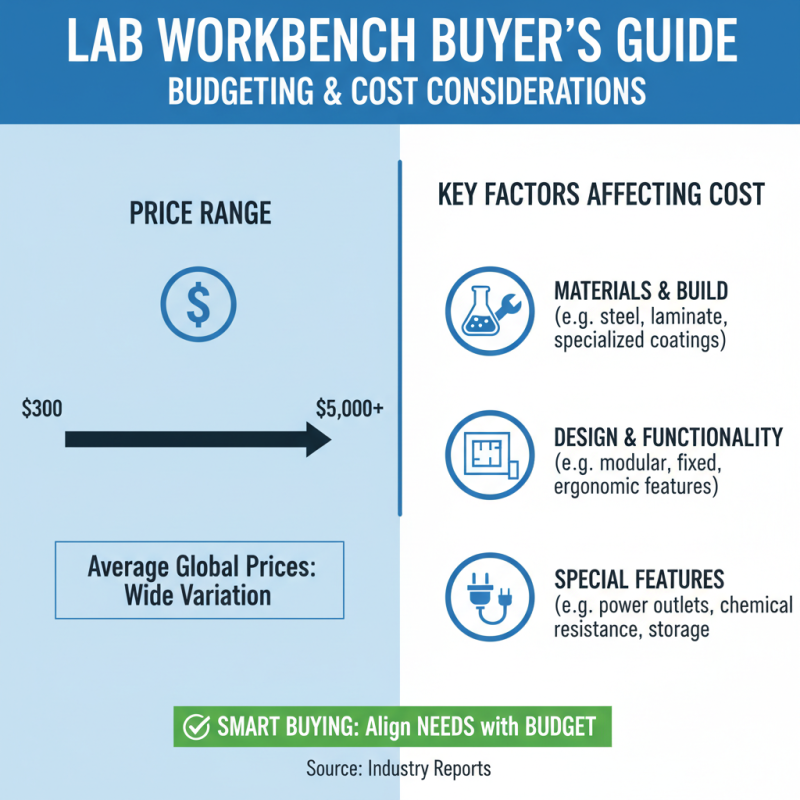
When budgeting for laboratory workbenches, understanding cost variations is crucial. Reports indicate that prices can range from $300 to $5,000. This wide gap reflects differences in materials, design, and functionality. A basic lab bench might suffice for simple tasks, while specialized models offer features like built-in electrical outlets and chemical resistance. Buyers must align their specific needs with their budgetary constraints.
Another aspect to consider is the lifecycle cost of these workbenches. A high-quality bench might have a higher upfront cost, but it can last longer and reduce replacement expenses over time. Data suggests that investing in durable materials can lower maintenance costs by up to 30%. This principle applies to both academic and industrial laboratories, where longevity is critical.
Shipping costs also impact the total expenditure. Global buyers must account for tariffs and transportation fees. These additional costs can add 15% to 25% to the initial price tag. Clear communication with manufacturers on all potential charges is essential. Understanding these financial implications can greatly affect the decision-making process.