2026 Best Lab Workbench Features that Enhance Productivity and Efficiency?
In the evolving landscape of laboratory environments, the design of the lab workbench is crucial. Dr. Emily Carter, a leading expert in laboratory ergonomics, stated, "A well-designed lab workbench can significantly boost both productivity and safety." This emphasizes the importance of thoughtful features in lab workbenches.
Modern lab workbenches are not merely functional; they must also cater to the varying needs of researchers. Adjustable heights, ample storage, and integrated technology enhance efficiency. However, many laboratories still fall short in these areas. Some workbenches lack ergonomic designs, leading to discomfort and potential injury. An overlooked aspect often hampers workflow.
Furthermore, the choice of materials plays a significant role. Durable, easy-to-clean surfaces can prevent contamination and save time. Nonetheless, many labs continue to utilize outdated materials, which can negatively impact results. A fine balance between cost and quality is essential. A focus on key features could make a significant difference in lab productivity and researcher satisfaction.
Key Features of 2026 Lab Workbenches for Enhanced Productivity
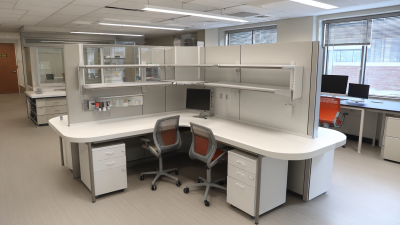
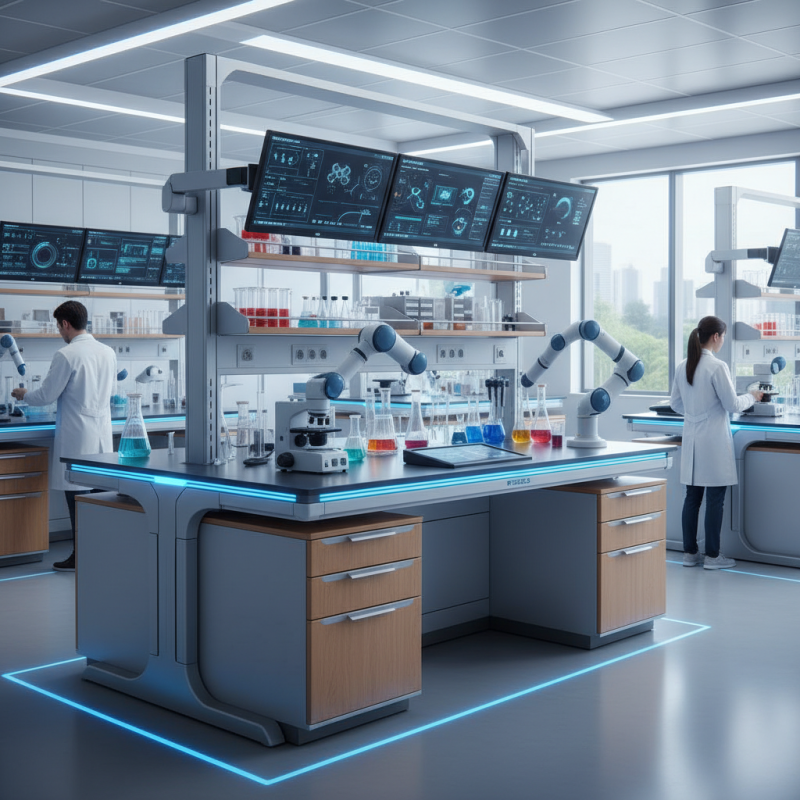
In 2026, lab workbenches are evolving to boost productivity. Key features enhance workflow and efficiency in busy environments. Ergonomic designs are paramount. They reduce strain during long hours of research. Height-adjustable systems allow customization for various users, promoting comfort.
Incorporating integrated storage solutions is essential. Drawers and shelves keep tools organized and accessible. This minimizes time spent searching for equipment. Transparent containers help visualize contents clearly. It’s a simple improvement but can make a significant difference.
Tip: Arrange tools by frequency of use. Keep essentials within arm’s reach. Additionally, consider investing in work surfaces that resist spills and stains. This choice saves cleanup time and maintains a tidy workspace. Remember, a disorganized bench can hinder focus and efficiency. Reflection on setup can lead to lasting improvements.
2026 Lab Workbench Features that Enhance Productivity and Efficiency
Ergonomic Design Elements That Boost Efficiency in Lab Workspaces
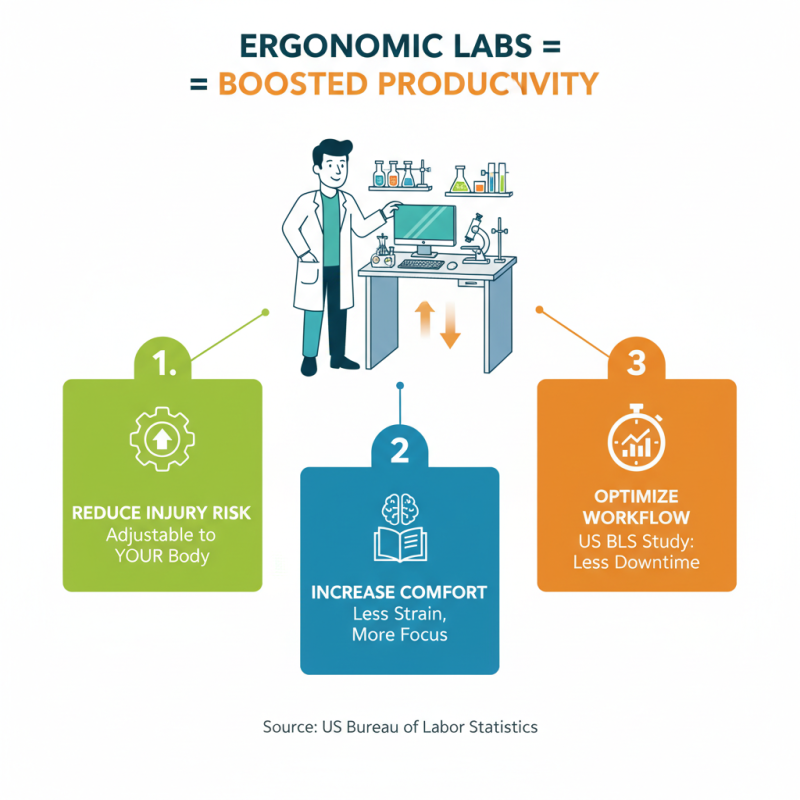
Ergonomic design is crucial in enhancing productivity within lab workspaces. A study by the U.S. Bureau of Labor Statistics shows that poorly designed workstations contribute to increased injury rates, leading to significant downtime. Adjustable workbenches can mitigate this risk. They allow users to tailor their workspace to their body dimensions, promoting comfort and reducing strain.
Moreover, incorporating proper lighting can significantly impact efficiency. Researchers found that optimal lighting improves focus and reduces fatigue. A lab with adjustable lighting systems supports various tasks, from detailed analysis to broad oversight. It's essential to evaluate current setups and identify inefficiencies. Many labs still overlook proper lighting and ergonomics.
However, not all designs are perfect. Some ergonomic furniture might not suit every user’s needs. It's important to gather feedback from staff regularly. Monitoring how modifications influence performance can be enlightening. Strive to create a space that not only looks modern but feels right for everyone. Balancing aesthetic appeal with functional design is a continuing challenge.
Integrated Technology Solutions for Modern Lab Workbenches
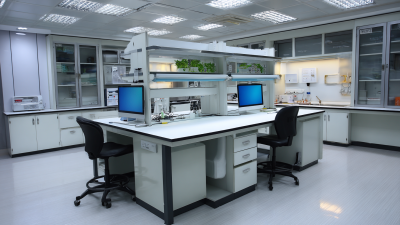
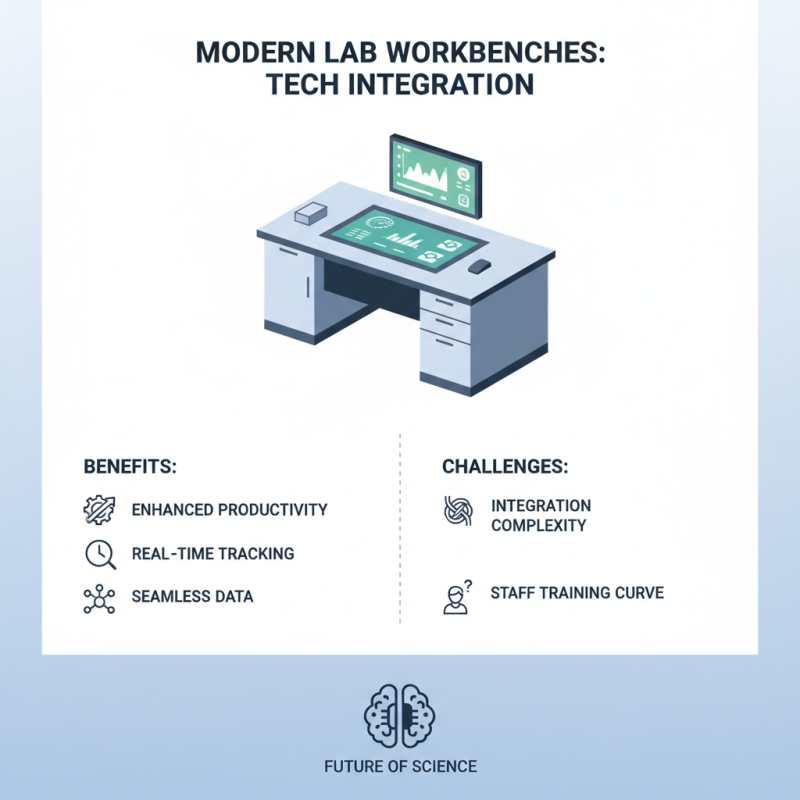
Modern lab workbenches are evolving to meet the demands of today's scientific research. Integrated technology is a key feature that enhances productivity. These workbenches might include built-in digital platforms. Such platforms help scientists track experiments in real time. A seamless interface can save time and reduce errors in data collection. However, the integration process can be a challenge. Not all staff may be tech-savvy, leading to potential inefficiencies.
Ergonomic designs are equally important in boosting efficiency. Adjustable heights and flexible layouts promote comfort. Scientists can switch between sitting and standing, which helps maintain focus. Yet, not all users appreciate the range of adjustments. Some may find them confusing or precise settings difficult to manage. Proper training is crucial, but not always prioritized.
Sustainability is also a growing concern in lab design. Features like energy-efficient lighting and recyclable materials reflect this trend. Laboratories are required to be more responsible, but change is slow. Many labs still operate outdated workstations. Balancing cutting-edge technology with practicality remains a significant hurdle for many organizations. Exploring integrated solutions isn't just about innovation; it’s about evolving towards a more effective future.
Customizable Storage Options for Optimal Organization and Workflow
A well-designed lab workbench can significantly boost productivity. Customizable storage options play a critical role in achieving optimal organization and workflow. When each tool and material has a designated place, efficiency improves. This setup minimizes time wasted searching for items.
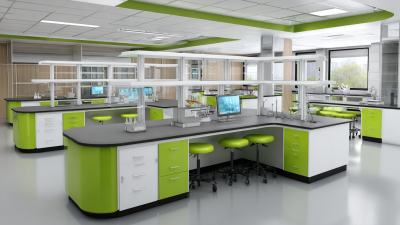
Consider using modular shelving. These allow for flexibility in arrangement. You can adjust the height or add compartments as needed. Using clear containers helps everyone see what's inside quickly. Color-coding different sectors may also streamline the process.
Tips: Implement labeled drawers for frequently used tools. This encourages quick access and reduces clutter. Regularly evaluate your storage needs. Sometimes, what worked last month may not suit current projects. Keep storage dynamic to match changing workflows. Adapting is key to maintaining efficiency in a busy lab.
Safety Features in Lab Workbenches to Ensure a Secure Working Environment
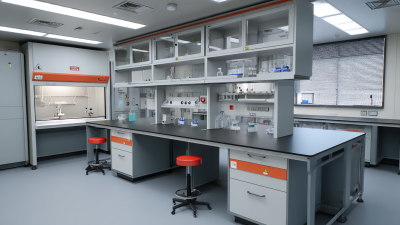
Safety is paramount in any laboratory setting. A well-designed lab workbench should include features that minimize risks. One essential aspect is the material used; chemical-resistant surfaces help prevent spills from causing accidents. Non-slip feet can keep the workbench stable, reducing hazards from accidental movements.
Another important feature is adequate storage for safety equipment. Having eyewash stations and first aid kits easily accessible is crucial. Safety barriers or guards around the work area can protect users from splashes or falling objects. Good ventilation systems are necessary to ensure harmful fumes do not accumulate. Without these essentials, labs can quickly become unsafe environments.
Lighting is often overlooked yet vital. Proper task lighting reduces strain and helps prevent accidents. Lab personnel may find themselves working late, struggling against poor illumination. It’s a reminder that safety should never be an afterthought. Attention to details like these can lead to a more productive and secure workspace. Ultimately, a lab that prioritizes safety fosters confidence and innovation.
2026 Best Lab Workbench Features that Enhance Productivity and Efficiency - Safety Features in Lab Workbenches to Ensure a Secure Working Environment
| Feature |
Description |
Benefits |
| Anti-slip Surface |
Surface designed to prevent spills from causing accidents. |
Reduces risk of slips and falls, enhancing overall safety. |
| Ergonomic Design |
Bench height and layout designed for user comfort. |
Minimizes strain and fatigue, increasing work efficiency. |
| Integrated Power Supply |
Built-in electrical outlets for lab equipment. |
Improves accessibility, reducing time spent searching for outlets. |
| Adjustable Shelving |
Customizable shelves to fit various equipment sizes. |
Enhances organization and allows for quick access to tools. |
| Chemical Resistant Coating |
Surface treatment to withstand corrosive substances. |
Prolongs lifespan of the bench and ensures safety from spills. |
| Built-in Fume Extraction |
Ventilation system to remove hazardous fumes. |
Protects users from inhalation risks, ensuring a safe environment. |